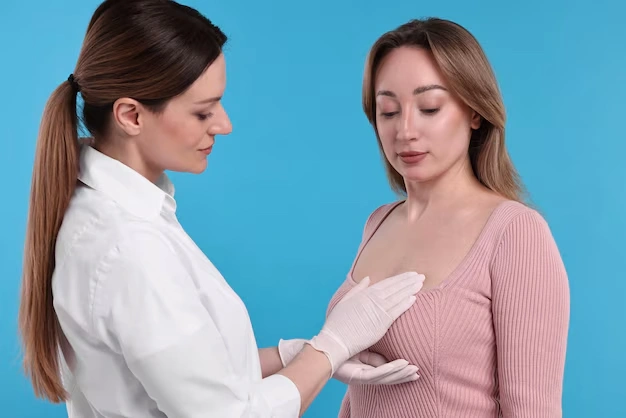


Significant weight loss is a major achievement that improves health, mobility, and confidence. However, many women notice unwanted changes in breast appearance afterward. Sagging, deflation, and loss of firmness are common concerns. A breast lift after weight loss can effectively restore shape, improve symmetry, and help the body better reflect the effort put into achieving a healthier lifestyle.
Why Weight Loss Affects Breast Shape
Breasts are composed largely of fat, glandular tissue, and skin. When substantial weight is lost, breast fat volume decreases, but the stretched skin often does not fully retract. This leads to:
- Loss of breast volume
- Downward-pointing nipples
- Loose or excess skin
- A flattened or elongated breast shape
Even younger patients with good skin quality may experience sagging after major weight changes.
What Is a Breast Lift?
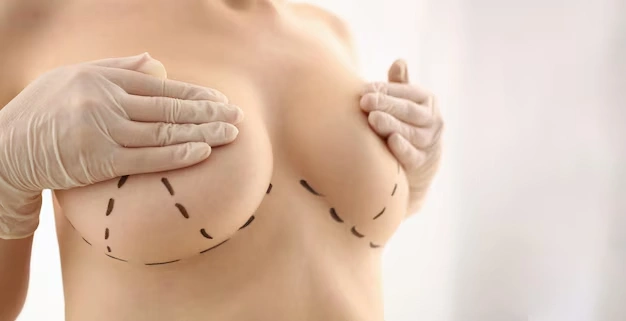
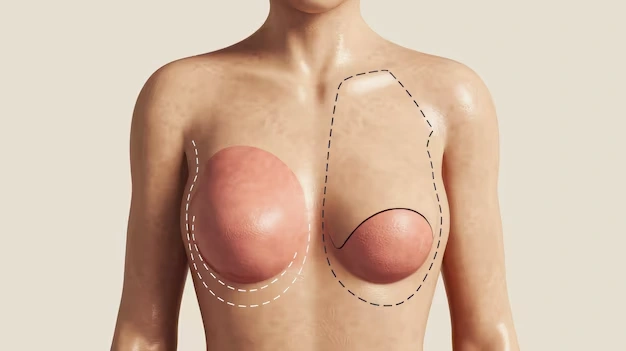
A breast lift, or mastopexy, is a surgical procedure that reshapes the breasts by removing excess skin, tightening surrounding tissue, and repositioning the nipples to a more youthful height. Unlike breast augmentation, a lift does not add volume—but it significantly improves firmness and contour.
For post-weight loss patients, the procedure is customized to address skin laxity and restore proportional balance.
Who Is a Good Candidate?
You may be a good candidate for a breast lift after weight loss if you:
- Have reached and maintained a stable weight
- Experience sagging or deflated breasts
- Have nipples positioned below the breast fold
- Are in good overall health
- Have realistic expectations
Stability in weight is crucial to preserve long-term results.
When Is the Right Time for Surgery?
Timing is one of the most important factors. Surgeons typically recommend waiting at least 6–12 months after weight loss has stabilized. This ensures:
- More predictable surgical results
- Reduced risk of recurrent sagging
- Better scar healing
Undergoing surgery too early may compromise outcomes if weight continues to fluctuate.
Breast Lift Alone vs. Lift with Implants
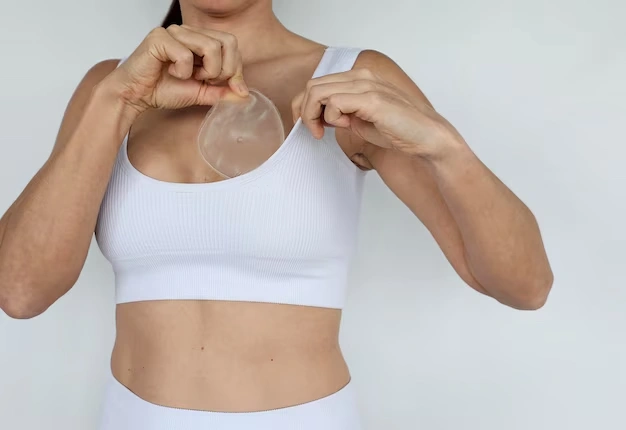
Some post-weight loss patients require only a lift, while others may benefit from adding implants. A lift improves position and firmness, but if significant volume has been lost, implants can restore fullness.
Your surgeon will recommend the best approach based on your anatomy and goals.
Expected Benefits
A breast lift after weight loss offers multiple benefits:
- Improved breast shape and projection
- Repositioned, forward-facing nipples
- Enhanced symmetry
- Better fit in clothing and bras
- Renewed body confidence
Recovery and Healing
Recovery from a breast lift typically includes:
- Initial swelling and discomfort for 1–2 weeks
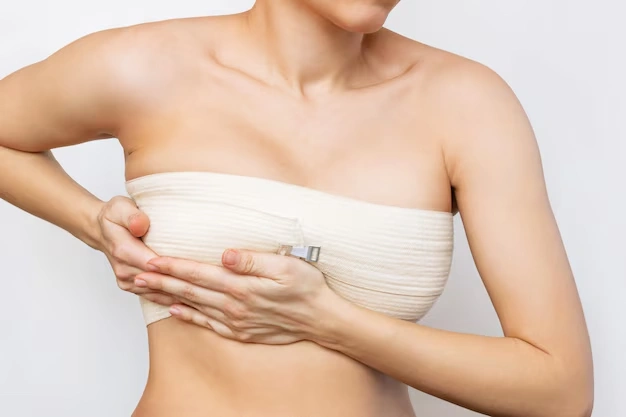
- Wearing a surgical support bra
- Returning to light activities within 10–14 days
- Gradual improvement over several months
Scars fade with time and proper care.
Long-Term Results
While a breast lift cannot stop aging or gravity, results are long-lasting, especially when patients maintain a stable weight and healthy lifestyle.
Good skin care and supportive bras further help preserve outcomes.
Why Choose Badge Health?
Badge Health partners with experienced, board-certified plastic surgeons in Turkey who specialize in post-weight loss body contouring. Through personalized surgical planning, accredited facilities, and comprehensive aftercare, Badge Health helps patients achieve balanced, natural-looking results.
Final Thoughts
A breast lift after weight loss is often the final step in a transformative journey. By restoring firmness and youthful shape, mastopexy allows your body to reflect the hard work and dedication behind your weight loss success—helping you feel confident, comfortable, and complete.