


The first week after breast surgery is a critical phase of recovery. Whether you have undergone breast augmentation, breast lift, breast reduction, or implant removal, the seven-day mark often brings noticeable improvements while still requiring careful attention. Knowing what to expect 1 week after breast surgery helps patients feel prepared, reassured, and confident in their healing process.
Overall Healing Progress at One Week
By the end of the first week, the body has begun the initial healing process. Most patients experience reduced pain and improved mobility compared to the first few days after surgery. While you may not feel “back to normal,” daily tasks often become easier.
Swelling and bruising are still present, but they typically begin to stabilize or gradually improve.
Pain and Discomfort Levels
Pain one week after breast surgery is usually mild to moderate and well-managed with over-the-counter pain medication. Sharp pain should be decreasing, although sensations such as tightness, pressure, or soreness are common.
Some patients notice tingling, numbness, or sensitivity changes around the breasts or nipples. These sensations are normal and usually temporary.
Swelling and Bruising
Swelling typically peaks within the first few days after surgery and begins to slowly subside by week one. Bruising may still be visible, often changing color as it fades.
- Breasts may appear higher or firmer than expected
- Asymmetry is common during early healing
- Swelling may fluctuate throughout the day
Final breast shape will not be apparent at this stage.
Incisions and Wound Care
Incisions are usually healing well at one week, though they may still appear red or slightly raised. Stitches may dissolve on their own or be removed during a follow-up visit.
It is important to keep incisions clean and dry, following your surgeon’s aftercare instructions closely to reduce the risk of infection.
Activity Restrictions
Most patients can resume light activities such as walking and basic daily tasks after one week. However, lifting, stretching, and strenuous movements should still be avoided.
- No heavy lifting
- No upper body workouts
- Avoid sudden arm movements
Returning to desk work is often possible, depending on comfort level.
Support Garments
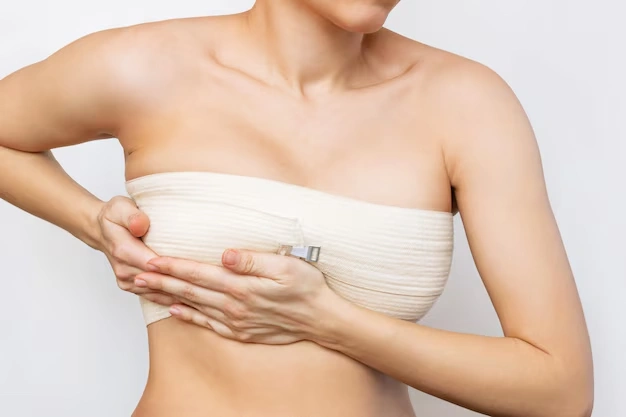
Wearing a surgical bra or compression garment is essential during the first week. These garments help control swelling, support healing tissues, and maintain proper breast positioning.
Your surgeon will advise how long continuous use is required.
Sleep and Comfort
Sleeping on your back with your upper body slightly elevated is still recommended one week after surgery. Side or stomach sleeping should be avoided until cleared by your surgeon.
Proper sleep positioning helps minimize swelling and discomfort.
Emotional Changes
It is common to experience emotional ups and downs during the first week. Temporary swelling and limited mobility may cause concern, but these feelings usually improve as healing progresses.
Patience is essential—early recovery does not reflect final results.
When to Contact Your Surgeon
While mild discomfort is normal, contact your surgeon if you experience:
- Increasing pain or swelling
- Fever or chills
- Unusual redness or discharge
- Sudden changes in breast shape
Why Choose Badge Health?
Badge Health works with experienced, board-certified plastic surgeons in Turkey who provide comprehensive post-operative care. From recovery guidance to follow-up coordination, patients receive continuous support during every stage of healing.
Final Thoughts
One week after breast surgery marks an important milestone in recovery. While healing is still in its early stages, improvements in comfort and mobility are reassuring signs of progress. By following your surgeon’s instructions and allowing your body time to heal, you set the foundation for safe recovery and beautiful, long-lasting results.