

Modern aesthetic breast surgery is no longer limited to choosing between implants or fat transfer alone. Today, many patients achieve the most natural and balanced results by combining breast surgery with fat transfer. This hybrid approach enhances volume while preserving softness, contour, and a natural appearance.
Understanding how fat transfer works alongside traditional breast procedures helps patients decide whether this advanced technique aligns with their aesthetic goals.
What Is Fat Transfer in Breast Surgery?
Fat transfer, also known as fat grafting, involves harvesting fat from one area of the body—such as the abdomen, thighs, or flanks—and injecting it into the breasts. The fat is purified before injection to improve survival and integration.
This technique uses the patient’s own tissue, making it a natural option for volume enhancement and contour refinement.
Why Combine Fat Transfer with Breast Surgery?
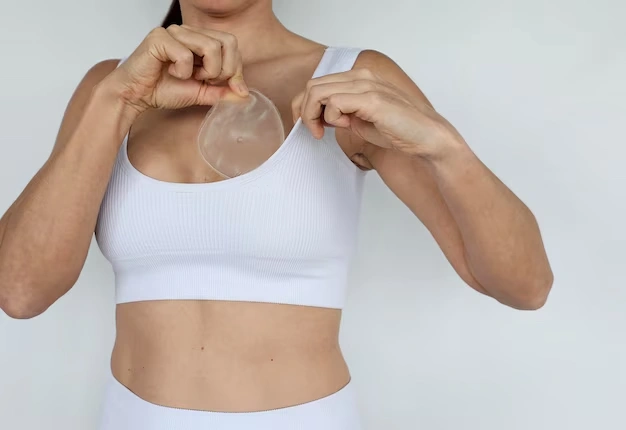
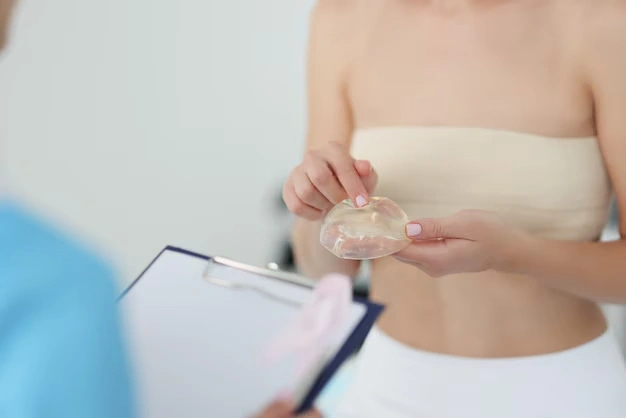
While implants provide reliable volume, fat transfer adds softness and smooth transitions. Combining the two allows surgeons to enhance overall shape and correct minor imperfections that implants alone may not address.
This approach is often referred to as hybrid breast augmentation.
Procedures Commonly Combined with Fat Transfer
Fat transfer can complement several types of breast surgery:
- Breast augmentation: Fat is used to soften implant edges
- Breast lift: Fat adds volume to the upper pole
- Breast reconstruction: Improves symmetry and contour
- Implant revision: Corrects irregularities or thinning tissue
Benefits of Combining Implants and Fat Transfer
The hybrid approach offers multiple advantages:
- More natural look and feel
- Smoother contours and transitions
- Improved cleavage and upper breast fullness
- Reduced visibility of implant edges
Additionally, patients benefit from body contouring at the fat donor site.
Who Is a Good Candidate?
Ideal candidates for combining breast surgery with fat transfer include patients who:
- Desire natural-looking volume
- Have sufficient donor fat
- Want to correct minor asymmetry
- Seek a softer implant result
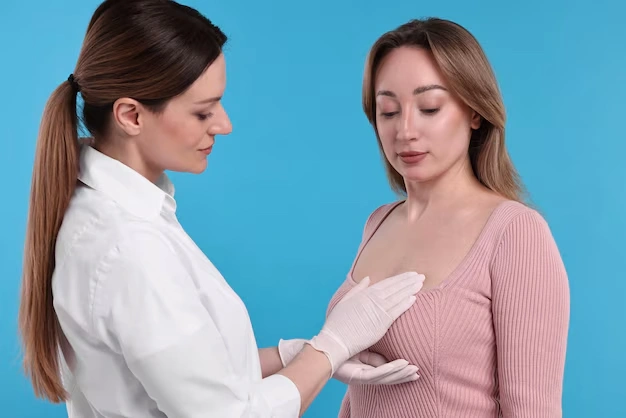
A thorough consultation is essential to determine suitability.
How the Procedure Is Performed
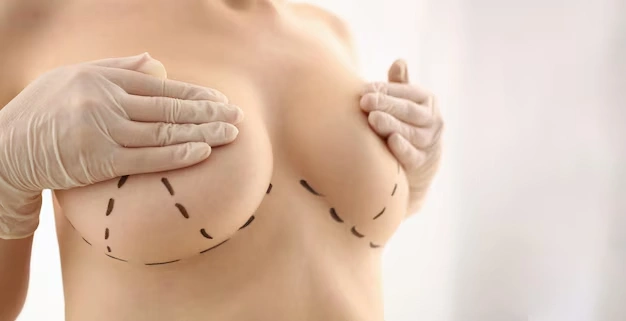
The surgery typically begins with liposuction to collect fat. The fat is then processed and carefully injected into targeted areas of the breast after implant placement or lifting.
Precise technique is critical to ensure fat survival and even distribution.
Recovery and Healing
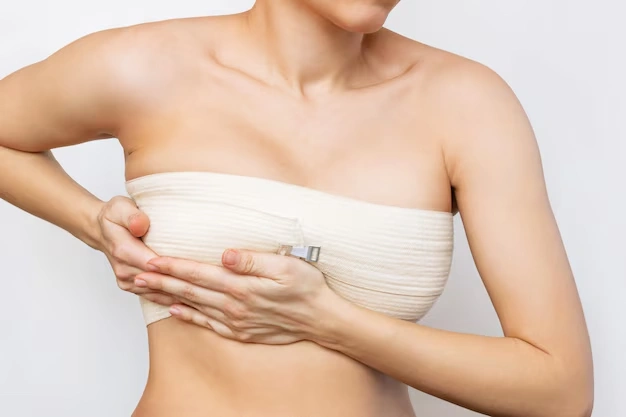
Recovery involves healing at both the breast and donor sites. Swelling and bruising are common but temporary. Most patients return to light activities within one to two weeks.
Some transferred fat is naturally absorbed by the body, while the remaining fat becomes permanent.
Are the Results Long-Lasting?
Implants provide consistent volume, while surviving fat cells behave like natural breast tissue. Maintaining a stable weight helps preserve results over time.
Why Surgeon Expertise Matters
Combining fat transfer with breast surgery requires advanced skill and experience. Proper technique minimizes complications and maximizes fat survival.
Why Choose Badge Health?
Badge Health partners with expert surgeons specializing in hybrid breast procedures. Patients receive customized treatment plans, advanced surgical techniques, and comprehensive aftercare support for safe, natural-looking results.
Final Thoughts
Combining breast surgery with fat transfer offers the best of both worlds—reliable volume and natural softness. With expert planning and skilled execution, this approach delivers beautifully balanced, confidence-boosting results tailored to each patient’s body.