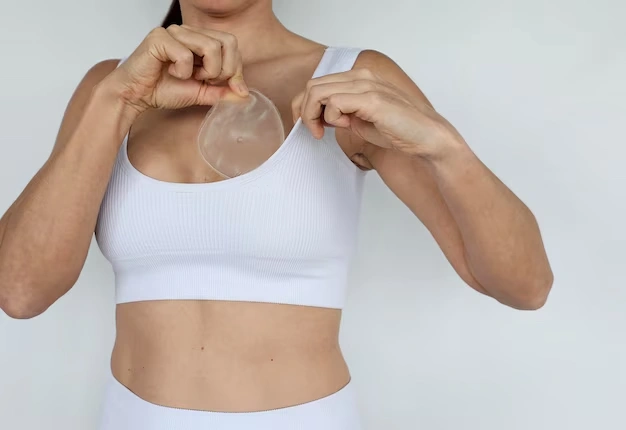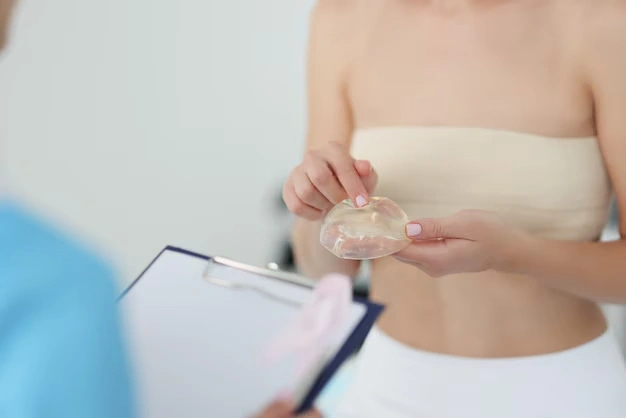



Breast implants are designed to be durable and long-lasting, but they are not considered lifetime devices. Proper long-term breast implant care is essential for maintaining both safety and aesthetic results. With the right habits, regular monitoring, and professional follow-up, patients can enjoy their breast augmentation results for many years.
Understanding the Lifespan of Breast Implants
Modern breast implants are highly advanced and can last 10 to 20 years or longer. However, individual factors such as lifestyle, body changes, and surgical technique influence implant longevity.
While implants do not automatically need replacement after a specific time, ongoing evaluation is crucial.
Attend Regular Follow-Up Appointments
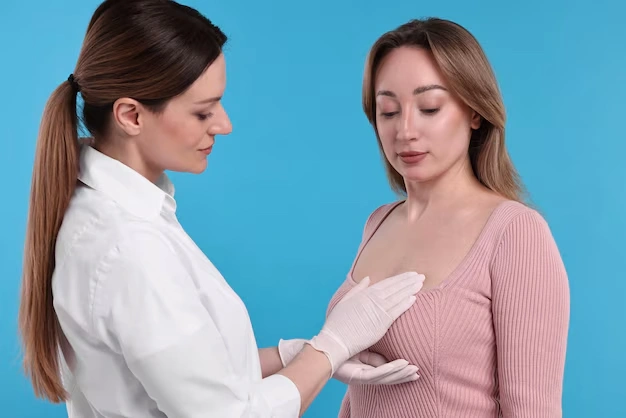
Routine check-ups with your surgeon are one of the most important aspects of long-term implant care. These visits help monitor implant position, breast tissue health, and early signs of complications.
Even if you feel fine, periodic evaluations ensure continued safety.
Monitor Changes in Your Breasts
Patients should remain aware of how their breasts look and feel over time. Pay attention to changes such as:
- Increased firmness or tightness
- Visible shape changes or asymmetry
- Persistent discomfort or pain
- Swelling or inflammation
Early detection of issues allows for timely treatment.
Imaging and Implant Monitoring
For silicone implants, periodic imaging such as ultrasound or MRI may be recommended to check for silent rupture. Your surgeon will advise on appropriate screening intervals based on implant type and individual risk factors.
Maintain a Stable Weight
Significant weight fluctuations can affect breast shape and implant positioning. Maintaining a stable weight helps preserve the aesthetic outcome of your surgery.
Healthy lifestyle choices support both implant integrity and natural breast tissue.
Wear Proper Support
Wearing supportive bras, especially during physical activity, helps reduce strain on breast tissue and implants. Proper support can minimize sagging and maintain breast contour over time.
Avoid Smoking and Support Healthy Healing
Smoking negatively affects circulation and tissue health. Avoiding tobacco products supports long-term breast health and reduces the risk of complications.
A balanced diet and hydration further enhance tissue strength and elasticity.
Protect Your Breasts from Trauma
While implants are durable, direct trauma can impact their integrity. Using protective gear during high-impact activities and being mindful of physical stress helps reduce risks.
Understand Normal Aging Changes
Natural aging, gravity, pregnancy, and hormonal changes can alter breast appearance over time. These changes affect natural breast tissue rather than the implant itself.
In some cases, a breast lift or revision procedure may be considered to restore shape.
When Implant Replacement or Revision May Be Needed
Implant replacement may be recommended if complications arise or if patients desire a change in size or style. Common reasons include:
- Capsular contracture
- Implant rupture
- Aesthetic changes over time
Why Ongoing Communication with Your Surgeon Matters
Open communication ensures concerns are addressed early. Patients should never hesitate to seek professional advice if they notice changes or discomfort.
Why Choose Badge Health?
Badge Health provides long-term patient support through trusted clinics and experienced surgeons. Patients receive guidance on implant care, monitoring schedules, and future planning to ensure lasting safety and satisfaction.
Final Thoughts
Caring for breast implants long-term involves awareness, healthy habits, and professional follow-up. With proper care and expert support, breast implants can deliver beautiful, safe, and confidence-boosting results for many years.