

Perfect breast symmetry is a common goal for patients undergoing breast augmentation, breast lift, or breast reduction. While natural breasts are rarely identical, modern surgical techniques make it possible to achieve highly balanced and harmonious results. Understanding how symmetrical breasts after surgery are achieved helps patients set realistic expectations and actively support their outcome.
Understanding Natural Breast Asymmetry
Most women naturally have some degree of breast asymmetry. Differences in size, shape, nipple position, or breast height are completely normal. Surgery does not aim for absolute perfection but rather visual balance and proportion.
Recognizing this reality is the first step toward satisfaction with surgical results.
The Importance of Pre-Surgical Assessment
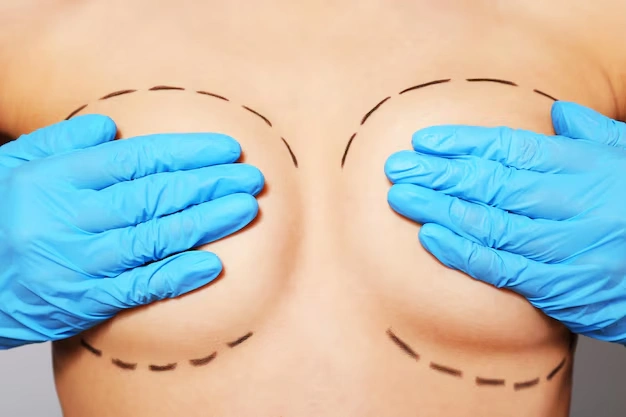
Achieving symmetry begins long before the procedure itself. During consultation, surgeons carefully evaluate:
- Breast volume and shape differences
- Chest wall structure
- Nipple and areola position
- Skin elasticity and tissue quality
This detailed assessment allows surgeons to plan corrective strategies tailored to each breast.
Customized Surgical Planning
There is no one-size-fits-all approach to breast surgery. Surgeons may use different techniques on each breast to create balance. This may include:
- Using different implant sizes or profiles
- Adjusting implant placement
- Performing a lift on one side only
- Reshaping breast tissue asymmetrically
Customization is essential for optimal symmetry.
Choosing the Right Implant Type and Size
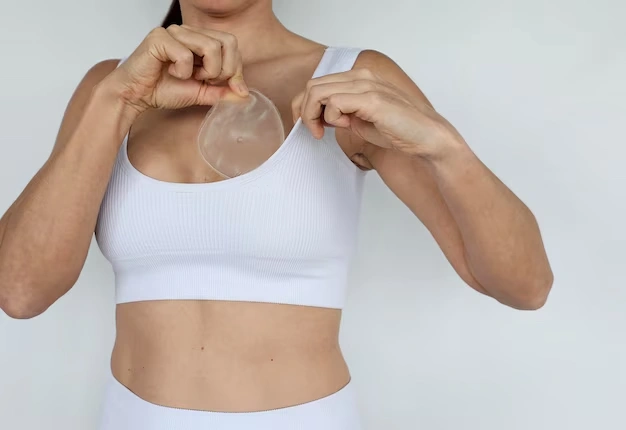
Implant selection plays a major role in achieving symmetrical results. Surgeons consider implant size, shape, projection, and material to compensate for natural differences.
In some cases, implants of slightly different volumes are used to create a balanced appearance.
Surgical Technique and Precision
Experienced surgeons use advanced techniques to control implant positioning and tissue shaping. Precise pocket creation and careful tissue handling help ensure that implants sit evenly and settle properly.
Small technical details during surgery significantly impact final symmetry.
The Role of Recovery in Breast Symmetry
Healing is not identical on both sides of the body. One breast may swell more or settle faster than the other during early recovery.
This temporary asymmetry is normal and usually improves over time.
Following Post-Operative Instructions
Patients play an important role in maintaining symmetry by following recovery guidelines, including:
- Wearing recommended support bras
- Avoiding uneven physical strain
- Sleeping in advised positions
- Attending all follow-up appointments
Ignoring aftercare instructions can affect implant positioning and healing balance.
Patience During the Settling Phase
Breasts continue to change for several months after surgery. Swelling subsides, implants settle, and tissues soften gradually.
Final symmetry is usually assessed after 6 to 12 months.
When Revision Surgery May Be Considered
In rare cases, noticeable asymmetry may persist. Minor revision procedures can fine-tune results once healing is complete.
Your surgeon will advise if and when revision is appropriate.
Setting Realistic Expectations
Even with the best surgical planning, perfect mirror-image symmetry is not realistic. The goal is natural-looking balance that complements the body.
Patients who understand this are often more satisfied with their results.
Why Choose Badge Health?
Badge Health partners with experienced surgeons who specialize in correcting breast asymmetry. Through personalized planning, advanced techniques, and attentive aftercare, patients receive balanced, natural-looking results.
Final Thoughts
Achieving symmetrical breasts after surgery is a collaborative process between surgeon and patient. With expert planning, proper recovery, and patience, breast surgery can deliver beautifully balanced results that enhance confidence and comfort.