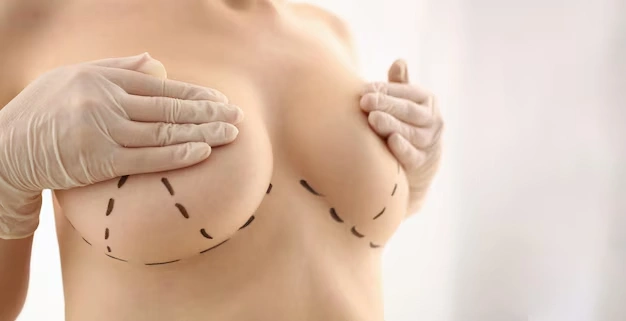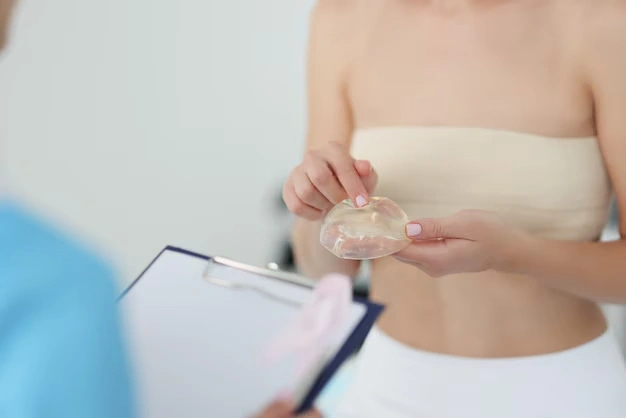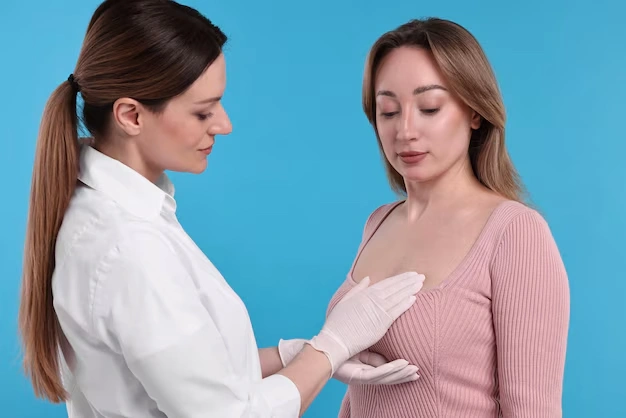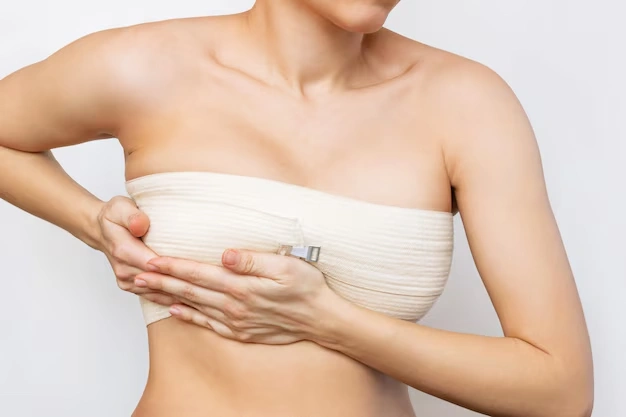


Fat transfer breast augmentation, also known as autologous fat grafting, has become increasingly popular in modern breast aesthetics. This procedure allows patients to enhance breast volume and shape using their own body fat, offering a natural alternative to traditional implants.
What Is Fat Transfer in Breast Aesthetics?
Fat transfer involves harvesting fat from areas with excess tissue, such as the abdomen, thighs, or flanks, through liposuction. The fat is then purified and carefully injected into the breasts to improve volume, contour, and symmetry.
This technique provides a dual benefit: reducing fat in unwanted areas while enhancing the breasts.
Why Fat Transfer Is Gaining Popularity
Several factors contribute to the rise of fat transfer in breast aesthetics:
- Natural Results: Because the patient’s own tissue is used, the breasts look and feel natural.
- Minimally Invasive: No large incisions or implants are required, reducing scarring.
- Lower Risk of Complications: There is no risk of implant rupture or capsular contracture.
- Body Contouring Benefits: Liposuction simultaneously shapes donor areas, improving overall aesthetics.
Who Is an Ideal Candidate?
Fat transfer is suitable for patients seeking moderate breast enhancement or correction of asymmetry. Ideal candidates have enough donor fat, realistic expectations, and desire a natural, subtle improvement rather than a dramatic increase in size.
The Fat Transfer Procedure
The procedure typically involves three steps:
- Liposuction: Fat is gently removed from donor areas.
- Purification: Fat is processed to remove fluids and debris.
- Injection: Fat is carefully injected into targeted breast areas to achieve balanced volume and shape.
Multiple sessions may be recommended to achieve optimal results, as some fat may be reabsorbed by the body over time.
Recovery and Results
Recovery is generally faster than traditional implant surgery, with most patients resuming normal activities within a few days. Mild swelling or bruising in donor or breast areas is common but temporary.
Final results are natural-looking breasts with improved contour and proportion. Patients often notice enhanced confidence and satisfaction due to the subtle, realistic changes.
Considerations and Limitations
While fat transfer is effective, it is not suitable for patients seeking a significant increase in breast size. Additionally, the survival of transferred fat varies, and minor touch-up procedures may be needed to maintain long-term results.
Patients should discuss goals, donor areas, and expected outcomes with a qualified surgeon.
Why Choose Badge Health?
Badge Health partners with experienced surgeons who specialize in fat transfer breast augmentation. From pre-operative planning to post-operative care, patients receive personalized guidance to achieve natural, safe, and lasting results.
Final Thoughts
The rise of fat transfer in breast aesthetics reflects a growing desire for minimally invasive, natural, and personalized solutions. With proper planning and expert care, patients can enjoy enhanced breast shape, subtle volume, and overall body contouring benefits.