

Breast aesthetics play a significant role in gender affirmation for many transgender patients. Whether the goal is to enhance femininity, improve body harmony, or align physical appearance with gender identity, breast surgery can be a powerful and affirming step. Understanding the unique considerations involved helps patients make informed, confident decisions.
Understanding Gender-Affirming Breast Surgery
For transgender women and transfeminine individuals, breast aesthetics most commonly involve breast augmentation. This procedure aims to create a natural breast shape that complements the patient’s body structure while supporting emotional well-being and self-confidence.
Unlike cisgender patients, transgender individuals may have different chest anatomy, skin characteristics, and muscle development, which influences surgical planning.
The Role of Hormone Therapy
Hormone replacement therapy (HRT) often leads to some degree of natural breast development. However, the extent varies greatly from person to person. Many patients seek surgery when hormone-induced growth does not meet their aesthetic goals.
Surgeons typically recommend being on stable hormone therapy for at least 12 months before surgery, as this allows breast tissue and skin to settle.
Anatomical Considerations
Transgender patients may have broader chests, wider sternums, stronger pectoral muscles, and less natural breast tissue compared to cisgender women. These factors affect implant selection, placement, and incision choice.
Careful assessment ensures implants are proportionate, well-positioned, and natural-looking.
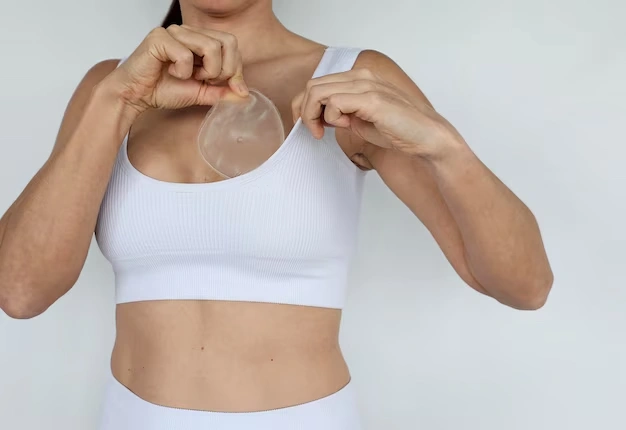
Choosing the Right Implant
Implant selection is highly individualized. Important considerations include:
- Chest width and rib cage shape
- Skin elasticity and thickness
- Desired breast size and projection
- Lifestyle and physical activity level
Moderate to high-profile implants are often used to achieve adequate projection on a wider chest.
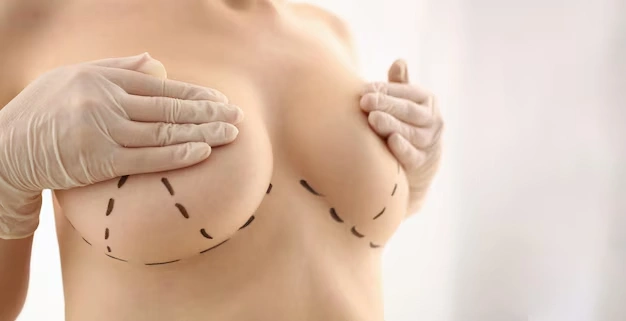
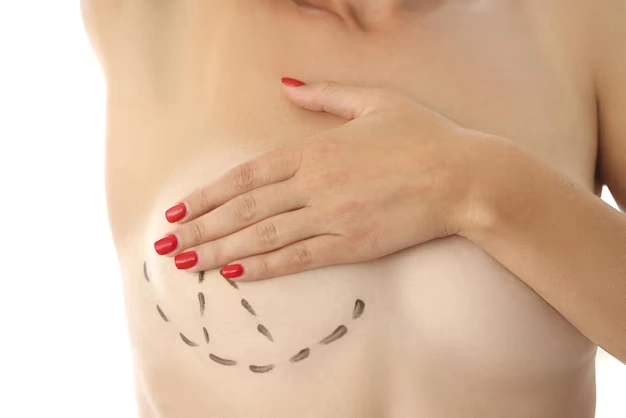
Implant Placement and Incisions
Implants are commonly placed under the muscle to create a smoother contour and reduce implant visibility. Incisions are typically made in the breast fold or around the areola when possible.
The surgical approach is selected to balance aesthetics, safety, and scarring concerns.
Setting Realistic Expectations
Breast augmentation can significantly enhance appearance, but it does not change bone structure or chest width. Setting realistic expectations is essential for satisfaction.
Open communication with the surgeon ensures that goals align with achievable outcomes.
Recovery and Aftercare
Recovery for transgender breast surgery is similar to that of cisgender patients. Initial swelling, tightness, and soreness are expected during the first few weeks.
Wearing a supportive surgical bra, limiting upper body activity, and attending follow-up visits are key to proper healing.
Emotional and Psychological Impact
For many transgender patients, breast aesthetics surgery provides profound emotional relief and improved body confidence. Feeling comfortable in one’s body can positively impact mental health, social interactions, and overall quality of life.
Access to supportive care before and after surgery further enhances outcomes.
Choosing an Experienced Provider
Gender-affirming breast surgery requires specialized experience and sensitivity. Surgeons should understand transgender anatomy, respect gender identity, and provide inclusive, patient-centered care.
A welcoming clinical environment is just as important as technical expertise.
Why Choose Badge Health?
Badge Health works with experienced surgeons who specialize in transgender breast aesthetics and gender-affirming care. Each patient receives a personalized surgical plan that respects identity, anatomy, and individual goals.
Final Thoughts
Breast aesthetics surgery can be a meaningful and empowering step for transgender patients. With thoughtful planning, realistic expectations, and expert surgical care, patients can achieve results that support both physical harmony and personal identity.