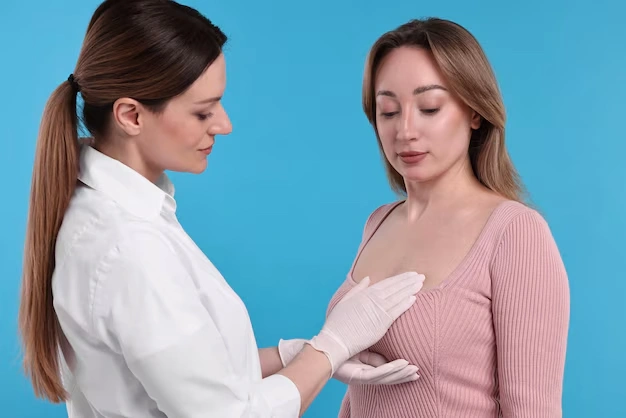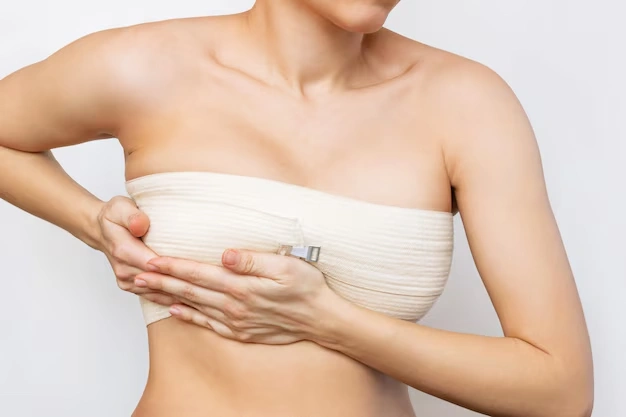


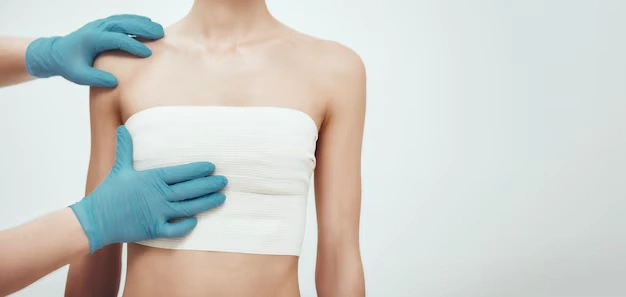
Breast augmentation is one of the most popular cosmetic procedures worldwide, delivering long-lasting improvements in body confidence and shape. However, like any surgical procedure, it carries potential risks. One of the most important issues patients should be aware of is implant malposition. Detecting early signs of implant malposition can help prevent complications and ensure optimal long-term results.
What Is Implant Malposition?
Implant malposition occurs when a breast implant shifts from its intended position. This can happen shortly after surgery or develop gradually over time. While mild movement can be normal during early healing, noticeable displacement may affect breast symmetry, appearance, and comfort.
Malposition can occur in one or both breasts and may worsen if left untreated.
Common Types of Implant Malposition
Understanding the different types of implant malposition can make early detection easier:
- Bottoming out: The implant drops too low on the chest, causing the nipple to appear high.
- High-riding implants: The implant sits too high and does not settle naturally.
- Lateral displacement: The implant shifts outward toward the armpit.
- Medial displacement: The implant moves too close to the center, creating excessive cleavage.
Early Visual Signs to Watch For
Visual changes are often the first indicators of implant malposition. Patients should regularly observe their breasts during recovery and beyond.
- Noticeable asymmetry between breasts
- Changes in nipple position or alignment
- Unnatural breast shape or contour
- Implants appearing too high or too low
Comparing recent photos with early post-operative images can help identify subtle changes.
Physical Sensations and Discomfort
In addition to visual signs, physical symptoms may indicate early implant movement. These sensations should not be ignored:
- Persistent tightness or pressure on one side
- Unusual pulling or shifting sensations
- Pain that increases rather than improves over time
- Discomfort during exercise or lying down
Changes During Movement or Positioning
Implant malposition may become more noticeable when changing positions. For example, implants may move excessively when lying down, raising arms, or rolling onto one side.
While some movement is normal, exaggerated shifting can signal pocket instability.
Risk Factors That Increase Malposition
Several factors may increase the risk of implant malposition, including:
- Incorrect implant size selection
- Weak or stretched breast tissue
- Overly aggressive physical activity too soon
- Improper implant pocket creation
- Significant weight fluctuations
Understanding these risk factors helps patients take preventative measures.
When to Contact Your Surgeon
If any signs of implant malposition are noticed, early communication with your surgeon is essential. Prompt evaluation can often prevent the need for complex revision surgery.
Patients should seek professional advice if changes worsen, pain persists, or symmetry continues to decline.
How Implant Malposition Is Diagnosed
Diagnosis typically involves a physical examination and, in some cases, imaging studies such as ultrasound or MRI. These tools help confirm implant position and pocket integrity.
Treatment Options for Early Detection
When detected early, treatment may be conservative. Options can include activity modification, supportive garments, or targeted massage if recommended by the surgeon.
More advanced cases may require revision surgery to correct the implant pocket or adjust implant placement.
Prevention Tips for Long-Term Success
Patients can reduce the risk of malposition by carefully following post-operative instructions, wearing supportive bras, avoiding early heavy exercise, and attending follow-up appointments.
Why Choose Badge Health?
Badge Health collaborates with experienced, board-certified surgeons who prioritize precision, patient education, and long-term results. Continuous follow-up care ensures potential issues are addressed early.
Final Thoughts
Detecting early signs of implant malposition empowers patients to protect their investment and maintain beautiful results. Awareness, regular self-observation, and timely professional care are key to successful breast surgery outcomes.