

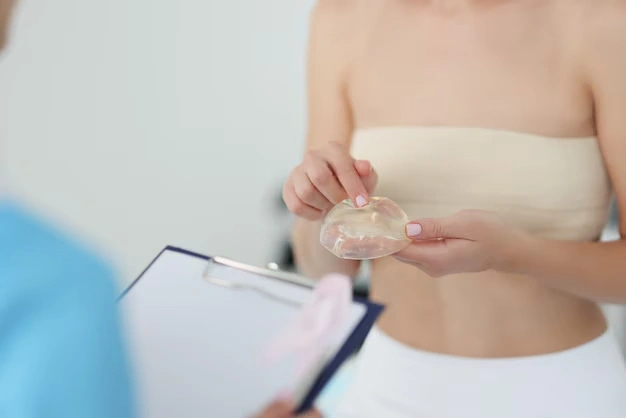
Choosing the right breast implant involves more than selecting size and shape. One of the most important decisions is the implant surface: smooth or textured. Each option offers unique advantages and considerations that can affect appearance, movement, safety, and long-term satisfaction.
Understanding the differences between smooth and textured implants helps patients make informed decisions aligned with their anatomy, lifestyle, and aesthetic goals.
What Are Smooth Breast Implants?
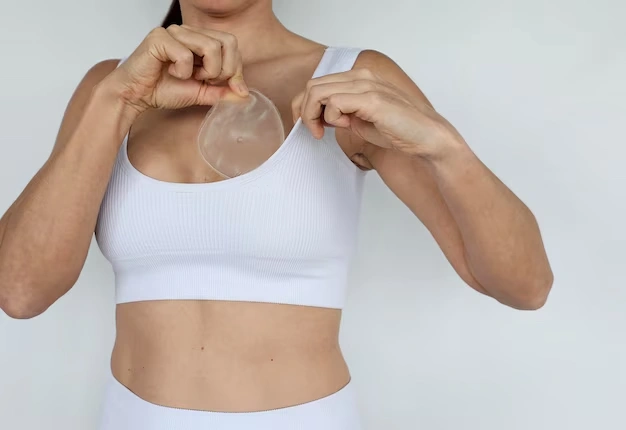
Smooth implants have a soft, slick outer shell that allows them to move freely within the implant pocket. This movement closely mimics the natural motion of breast tissue.
They are commonly used for round implants and are popular due to their natural feel and lower friction against surrounding tissue.
Benefits of Smooth Implants
- Softer, more natural movement
- Lower risk of visible rippling in many cases
- Smaller incision often required
- Widely used and well-studied option
Smooth implants are often preferred by patients seeking a natural look and feel.
What Are Textured Breast Implants?
Textured implants have a rough outer surface designed to adhere slightly to surrounding tissue. This reduces implant movement and helps maintain a specific position.
They have historically been used to reduce the risk of capsular contracture and to stabilize anatomically shaped implants.
Benefits of Textured Implants
- Reduced implant rotation
- Improved stability for teardrop-shaped implants
- Lower movement within the pocket
Textured implants may be considered in select cases requiring precise positioning.
Safety Considerations and Current Trends
In recent years, textured implants have received increased scrutiny due to their association with a rare condition known as Breast Implant-Associated Anaplastic Large Cell Lymphoma (BIA-ALCL).
Although the risk remains very low, many surgeons now prefer smooth implants due to their safety profile and excellent outcomes.
Capsular Contracture Risk
Textured implants were once thought to reduce capsular contracture risk. However, modern surgical techniques and implant placement have minimized this risk for both types.
Implant position, surgical precision, and post-operative care now play a greater role than surface type.
Natural Look and Feel
Smooth implants tend to feel softer and move more naturally, especially when placed under the muscle.
Textured implants may feel firmer and less mobile, which can be beneficial or undesirable depending on patient preference.
Incision Size and Placement
Smooth implants generally require smaller incisions because they can be folded more easily during insertion.
Textured implants may require slightly larger incisions due to their surface structure.
Who Is Best Suited for Smooth Implants?
Smooth implants are ideal for patients who:
- Desire natural movement and softness
- Prefer round implants
- Want a widely accepted safety profile
Who May Benefit from Textured Implants?
Textured implants may be appropriate for select patients requiring anatomical implants or enhanced positional stability.
These cases should be carefully evaluated by an experienced surgeon.
The Importance of Surgeon Guidance
Choosing between smooth and textured implants should always involve a detailed consultation. Surgeons consider chest anatomy, tissue quality, implant type, and personal goals.
Expert guidance ensures the safest and most satisfying outcome.
Why Choose Badge Health?
Badge Health works with board-certified surgeons who prioritize patient safety and personalized planning. Our approach ensures that implant selection aligns with both medical best practices and individual expectations.
Final Thoughts
Both smooth and textured implants have distinct advantages. Today, smooth implants are the most commonly recommended option due to their natural feel and strong safety profile. However, the best choice depends on individual anatomy and surgical goals.
An informed decision, guided by an experienced surgeon, is key to achieving beautiful and lasting results.