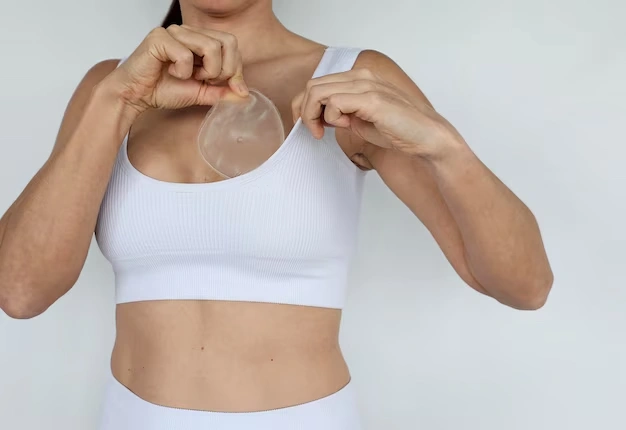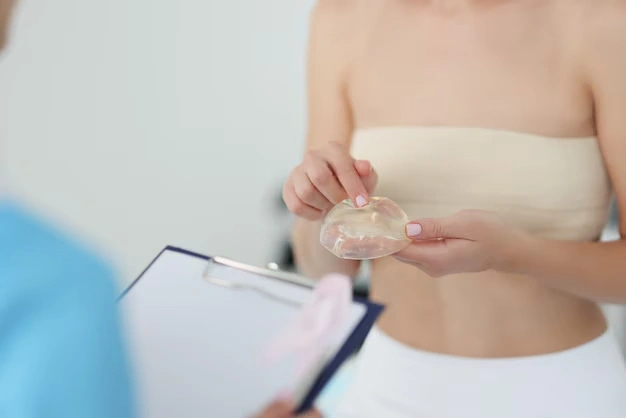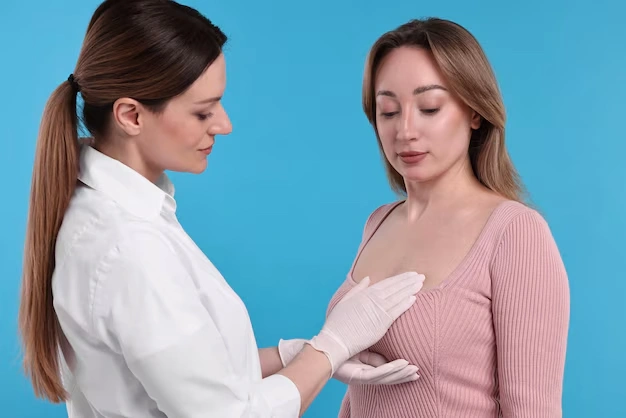


Breast implants are designed to be long-lasting, but they are not immune to the natural effects of aging. While implants themselves do not age biologically, the body and breast tissue around them do. Understanding how aging impacts breast implants helps patients maintain realistic expectations and plan for long-term breast health.
Do Breast Implants Age?
Breast implants are medical devices that do not age like natural tissue. However, they are not considered lifetime devices. Over time, implants may experience wear, and surrounding tissues change due to gravity, skin elasticity loss, and hormonal shifts.
This combination can alter breast appearance even if the implants remain intact.
Changes in Skin Elasticity
As we age, collagen and elastin production naturally decline. This affects the skin’s ability to support breast tissue and implants.
Reduced elasticity can lead to sagging, especially in patients with larger implants or naturally thin skin.
Breast Tissue and Gravity
Gravity continuously affects breast tissue throughout life. Over time, this can cause the breasts to descend on the chest wall.
While implants provide volume, they cannot prevent natural tissue descent, which may result in a less youthful breast contour.
Implant Position Changes
Aging may influence implant position indirectly. As supporting tissues weaken, implants may shift, leading to conditions such as bottoming out or implant malposition.
These changes often occur gradually and may become noticeable years after surgery.
Capsular Changes Over Time
The body naturally forms a capsule of scar tissue around implants. Over time, this capsule may thicken or tighten.
Although modern surgical techniques reduce this risk, aging tissue can influence capsule behavior.
Weight Fluctuations and Hormonal Changes
Weight changes and hormonal shifts during pregnancy, menopause, or medical treatments can significantly affect breast size and shape.
These changes may alter how implants sit within the breast envelope.
How Long Do Breast Implants Last?
While many implants last 15 to 20 years or longer, replacement is sometimes necessary due to rupture, cosmetic changes, or personal preference.
Regular follow-ups help monitor implant condition over time.
Signs Aging May Be Affecting Your Implants
- Increased breast sagging
- Changes in nipple position
- Asymmetry or shape distortion
- Discomfort or firmness
These signs do not always indicate implant failure but may suggest tissue changes.
When Is Revision Surgery Considered?
Revision surgery may be recommended if aging significantly impacts breast appearance or comfort.
Common revision options include implant replacement, breast lift with implants, or implant removal.
How to Maintain Results as You Age
Patients can support long-term results by maintaining stable weight, wearing supportive bras, and attending regular medical checkups.
Healthy lifestyle choices and sun protection also preserve skin quality.
Psychological Impact of Aging with Implants
As bodies change over time, some patients reassess their aesthetic goals.
Aging with implants may inspire a desire for smaller implants, a more natural look, or implant removal.
Why Choose Badge Health?
Badge Health supports patients at every stage of their breast surgery journey. Our partner surgeons provide long-term guidance, revision options, and personalized care plans.
Final Thoughts
Aging is a natural process, and breast implants are no exception to its effects. While implants themselves remain stable, surrounding tissues change over time. With proper monitoring, realistic expectations, and expert care, patients can continue to enjoy beautiful and healthy results for years to come.