


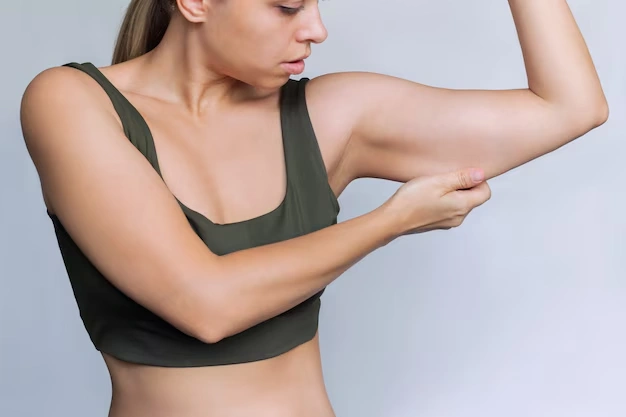
An arm lift, medically known as brachioplasty, is a body contouring procedure designed to improve the
appearance of the upper arms by removing excess skin and fat. It is particularly beneficial for individuals who have
experienced significant weight loss or age-related skin laxity. This guide explains everything patients should know
about arm lift surgery, from candidacy to recovery and long-term results.
What Is an Arm Lift (Brachioplasty)?
Arm lift surgery reshapes the upper arms by removing loose skin and excess fat between the underarm and elbow. The
procedure creates a smoother, firmer contour and improves arm definition.
Depending on individual needs, an arm lift may be performed alone or combined with liposuction for enhanced contouring.
Who Is a Good Candidate for Arm Lift Surgery?
Ideal candidates for brachioplasty are individuals with significant skin laxity in the upper arms that does not respond
to diet or exercise. Common candidates include patients after major weight loss and those experiencing natural aging.
Good overall health, stable body weight, and realistic expectations are essential factors when considering arm lift
surgery.
Types of Arm Lift Procedures
There are several arm lift techniques, each tailored to different levels of skin excess:
- Minimal incision arm lift for mild skin laxity
- Traditional arm lift for moderate to severe loose skin
- Extended arm lift for excess skin extending into the chest or back area
The chosen technique depends on the amount of skin to be removed and the desired outcome.
The Arm Lift Procedure Explained
Arm lift surgery is typically performed under general anesthesia. Incisions are placed along the inner or back side of
the arm to minimize visibility. Excess skin and fat are removed, and the remaining tissue is tightened and reshaped.
The procedure usually takes two to three hours, depending on the complexity.
Recovery After Arm Lift Surgery
Recovery varies among patients but generally involves swelling, bruising, and temporary discomfort. Compression
garments help control swelling and support healing.
Most patients can resume light activities within one to two weeks, while strenuous exercise should be avoided for
several weeks.
Scarring and Healing Process
Scarring is an unavoidable part of arm lift surgery. Over time, scars typically fade and soften. Proper incision care
and patience contribute to improved scar appearance.
Temporary numbness or tightness in the arms may occur and usually resolves during healing.
Risks and Safety Considerations
As with any surgical procedure, arm lift surgery carries certain risks, including infection, bleeding, fluid
accumulation, and delayed wound healing. Choosing an experienced surgeon and following post-operative guidelines
significantly reduces these risks.
Long-Term Results of Brachioplasty
Arm lift results are long-lasting, especially when patients maintain a stable weight and healthy lifestyle. The arms
appear firmer, more toned, and better proportioned to the body.
Natural aging may gradually affect skin elasticity, but the overall improvement remains noticeable.
Combining Arm Lift with Other Procedures
Brachioplasty is often combined with other body contouring procedures such as tummy tuck or thigh lift, particularly
after significant weight loss. Combining procedures can provide comprehensive body reshaping.
Understanding Expectations and Outcomes
An arm lift improves arm shape but does not replace the benefits of exercise or prevent future skin aging. Realistic
expectations help ensure satisfaction with the results.
Arm lift (brachioplasty) offers an effective solution for excess upper arm skin, helping individuals achieve a more
confident and balanced body contour.