


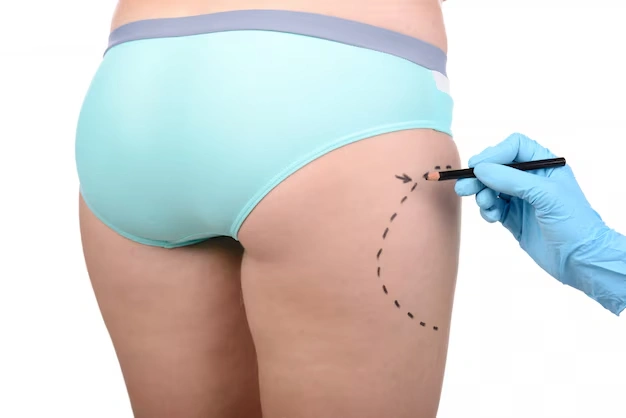
A Brazilian Butt Lift (BBL) can dramatically enhance body proportions when performed correctly. However, not all
procedures deliver the desired outcome. As the popularity of BBL surgery has increased globally, so has the number of
patients seeking BBL revision to correct unsatisfactory or uneven results.
Revision surgery is not about perfection—it is about restoring balance, safety, and confidence through expert
correction.
Why Some BBL Results Are Unsatisfactory
Unsatisfactory BBL outcomes can occur for several reasons. In some cases, fat absorption is uneven, leading to
asymmetry or volume loss. In others, overfilling, poor fat placement, or inadequate surgical technique may result in
unnatural shape or contour irregularities.
Inexperienced surgeons, improper patient selection, and lack of post-operative guidance are among the most common
contributors to failed or disappointing BBL results.
Common Issues Addressed With BBL Revision
- Uneven or asymmetrical buttock volume
- Insufficient projection or flat appearance
- Overfilled or unnatural contours
- Fat necrosis or lumpiness
- Poor waist-to-hip balance
A comprehensive evaluation is required to determine the most appropriate corrective approach.
What Is a BBL Revision?
BBL revision is a secondary procedure designed to improve or correct the results of a previous Brazilian Butt Lift.
Depending on the issue, revision may involve additional fat transfer, fat removal, contour reshaping, or a combination
of techniques.
Because revision surgery is more complex than a primary BBL, it requires advanced expertise and careful planning.
Timing: When Is It Safe to Consider a Revision?
Patience is critical. Surgeons typically recommend waiting at least 6 to 12 months after the initial BBL before
undergoing revision. This allows swelling to subside and fat survival to stabilize.
Attempting correction too early can compromise healing and final results.
How BBL Revision Is Performed
Revision strategies are highly individualized. Some patients require targeted fat grafting to restore lost volume,
while others benefit from liposuction to correct overfilled areas or asymmetry.
In complex cases, a staged approach may be recommended to achieve safer and more predictable outcomes.
Why Surgeon Experience Matters Even More in Revision Cases
BBL revision demands a deep understanding of anatomy, fat behavior, and advanced contouring techniques. Surgeons must
work with altered tissue planes and existing scar tissue, increasing the technical difficulty.
Choosing a team experienced in corrective body surgery significantly reduces risk and improves aesthetic outcomes.
Recovery After BBL Revision
Recovery following revision surgery is often similar to the initial procedure, though timelines may vary depending on
the extent of correction. Compression garments, limited sitting, and strict aftercare protocols remain essential.
Proper post-operative guidance plays a key role in protecting newly transferred fat and maintaining results.
Can BBL Revision Deliver Natural Results?
When performed correctly, BBL revision can restore harmony between the waist, hips, and buttocks. The goal is not
excessive volume but balanced proportions that complement the patient’s body frame.
Modern techniques prioritize safety, longevity, and natural aesthetics.
Turning Disappointment Into a Second Chance
Unsatisfactory BBL results do not have to be permanent. With expert evaluation, advanced techniques, and a structured
treatment plan, revision surgery offers patients a second opportunity to achieve the shape they originally envisioned.
A successful BBL revision is the result of experience, precision, and a patient-centered approach—transforming
frustration into renewed confidence.