


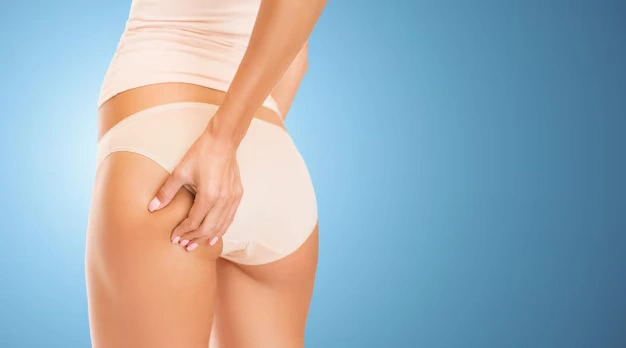
A Brazilian Butt Lift (BBL) enhances curves using your own fat, but ensuring long-lasting, smooth results requires
careful planning and post-operative attention. One of the main concerns is fat necrosis, where
transferred fat fails to survive, forming hard lumps or irregularities. Understanding how to prevent this can protect your
investment and maintain natural results.
Choose an Experienced, Board-Certified Surgeon
The first step in avoiding fat necrosis is selecting a skilled surgeon. Key considerations:
- Board certification in plastic surgery and experience with BBL procedures
- Expertise in fat harvesting, processing, and precise grafting techniques
- Use of safe injection planes to ensure adequate blood supply to fat cells
Proper technique during surgery is critical, as fat necrosis often results from over-injection or placement in unsafe tissue layers.
Follow Post-Operative Instructions Strictly
Post-surgery care has a major impact on fat survival. Recommendations typically include:
- Avoid sitting directly on your buttocks for at least 2–6 weeks, using a cushion or special pillow if needed
- Wear compression garments for donor areas to reduce swelling and support contouring
- Limit strenuous activity, heavy lifting, and high-impact exercise until cleared by your surgeon
Compliance with instructions reduces pressure on grafted fat and promotes proper integration.
Maintain Healthy Lifestyle Habits
Your diet, hydration, and overall health influence fat survival:
- Consume a nutrient-rich diet with adequate protein to support tissue healing
- Stay hydrated to maintain circulation and nutrient delivery to grafted fat
- Avoid smoking and excessive alcohol, which impair blood flow and fat cell survival
Healthy habits during the recovery phase are directly linked to minimizing fat necrosis.
Monitor and Manage Swelling and Bruising
Mild swelling and bruising are normal, but persistent inflammation can threaten fat survival. Tips include:
- Gentle walking to improve circulation
- Applying cold compresses on donor sites if approved
- Attending all follow-up appointments to monitor healing progress
Early intervention for unusual lumps or persistent swelling helps prevent complications from escalating.
Recognize Early Signs of Fat Necrosis
Common indicators include firm lumps, localized tenderness, or uneven contours in grafted areas. If detected early,
treatment may involve conservative measures or minor corrective procedures. Prompt communication with your surgeon is essential.
Consider Staged or Conservative Approaches
For patients with large volume requirements, surgeons may recommend staged procedures instead of overloading one session.
Conservative fat grafting reduces pressure on the tissue and improves survival, decreasing the risk of fat necrosis.
Why Clinic Support Matters
Clinics offering structured post-operative care, clear instructions, and easy communication with surgeons ensure higher
fat survival rates. International patients should confirm aftercare support before traveling for BBL surgery.
Final Thoughts
Avoiding fat necrosis after BBL relies on surgical expertise, strict post-op care, and healthy lifestyle choices. By
choosing an experienced surgeon, following instructions, and maintaining a supportive recovery environment, you
maximize fat survival and achieve smooth, natural curves that last.