


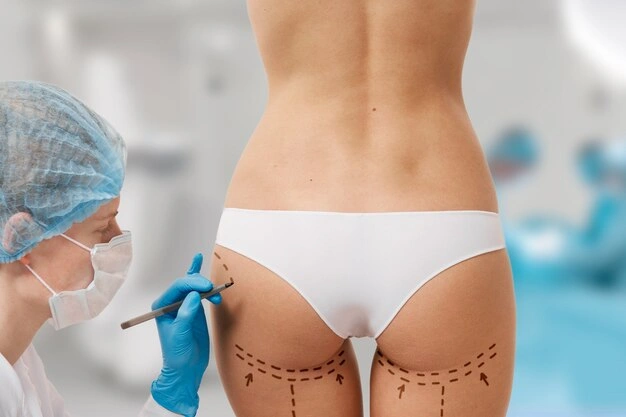
Brazilian Butt Lift (BBL) is one of the most transformative body contouring procedures when performed with precision and
restraint. However, one of the most common concerns among patients is achieving results that look exaggerated or unnatural.
Understanding how to avoid overfilling during BBL is essential for safety, longevity, and balanced body
proportions.
What Is Overfilling in BBL?
Overfilling occurs when too much fat is transferred into the buttocks in a single procedure. While patients may initially
desire maximum volume, excessive fat transfer can lead to:
- Unnatural shape and projection
- Increased pressure on surrounding tissues
- Higher risk of fat loss or irregularities
- Compromised safety if fat is not placed correctly
A successful BBL focuses on proportion, not just size.
Why Natural Volume Matters More Than Size
The body can only support a certain amount of transferred fat at one time. When fat is injected beyond what the tissue can
safely accommodate, survival rates decrease. This often results in:
- Partial fat reabsorption
- Uneven contours
- Need for revision procedures
Experienced surgeons prioritize sustainable volume that integrates naturally with existing anatomy.
The Role of Surgeon Expertise
Avoiding overfilling starts with surgical judgment. Skilled BBL surgeons focus on:
- Careful assessment of tissue capacity
- Layered, low-pressure fat injection techniques
- Strategic placement rather than bulk volume
These techniques reduce complications and create smoother, more natural curves.
Understanding Fat Survival Rates
Not all transferred fat survives. On average, a percentage of fat is naturally reabsorbed by the body during healing.
Attempting to compensate for this by overfilling is a mistake.
Instead, surgeons calculate transfer volumes based on:
- Blood supply in the recipient area
- Patient’s body type and skin elasticity
- Safe injection limits
This approach prioritizes long-term results rather than short-term appearance.
Why Patient Communication Is Essential
Clear communication between patient and surgeon plays a major role in avoiding overfilling. Patients should:
- Discuss realistic size goals
- Share reference images thoughtfully
- Trust professional recommendations
Surgeons experienced with international patients are skilled at aligning expectations with anatomical reality.
The Importance of Proportion and Body Balance
BBL results should complement the waist, hips, thighs, and overall silhouette. Overfilled buttocks often appear disconnected
from the rest of the body.
Balanced contouring considers:
- Waist-to-hip ratio
- Thigh volume and length
- Upper and lower body harmony
This full-body perspective is key to elegant, long-lasting outcomes.
Recovery Habits That Protect Volume
Proper recovery reduces the temptation to overfill during surgery:
- Avoid sitting directly on the buttocks during early healing
- Use recommended pillows and garments
- Follow movement and positioning guidelines carefully
Protecting transferred fat post-operatively improves survival without excessive initial volume.
When Staged Procedures Are a Better Option
For patients seeking significant enhancement, a staged approach may be recommended:
- Moderate fat transfer in the first procedure
- Allow full healing and stabilization
- Optional secondary enhancement if needed
This strategy prioritizes safety while still achieving noticeable improvement.
Why Choosing the Right Clinic Matters
Reputable body aesthetic clinics emphasize:
- Strict safety protocols
- Conservative, evidence-based fat transfer limits
- Personalized treatment planning
This philosophy consistently delivers refined, natural-looking BBL results.
Final Thoughts
Avoiding overfilling during BBL is about respecting anatomy, prioritizing safety, and aiming for balance rather than excess.
With expert surgical technique, realistic planning, and proper recovery, patients can achieve beautiful curves that look
natural, feel comfortable, and age gracefully over time.
The most successful BBL results are those that enhance confidence without sacrificing proportion or long-term well-being.