


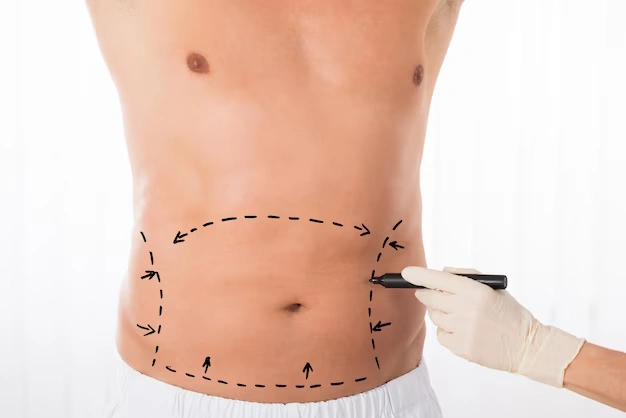
While tummy tuck surgery has long been associated with post-pregnancy body reshaping, an increasing number of men are now
seeking this procedure to achieve a firmer, flatter abdomen. A tummy tuck for men is designed with distinct
anatomical considerations and aesthetic goals in mind, making it different from female abdominoplasty in several important
ways.
Why Men Choose Tummy Tuck Surgery
Men typically seek tummy tuck surgery due to excess skin, stubborn fat, or weakened abdominal muscles that do not respond to
diet and exercise. Common reasons include:
- Significant weight loss
- Aging-related skin laxity
- Loss of muscle tone
- Genetic fat distribution
Unlike women, men are not addressing pregnancy-related muscle separation, but rather structural and aesthetic changes related
to lifestyle and metabolism.
Differences in Male Anatomy
Male abdominal anatomy differs significantly from female anatomy. Men generally have thicker skin, denser fat layers, and
more prominent muscle structure. These factors influence surgical technique and planning.
Surgeons consider:
- Thicker abdominal skin and connective tissue
- Centralized fat distribution
- More defined muscle framework
These differences require tailored surgical approaches to achieve natural-looking results.
Masculine Aesthetic Goals
The goal of tummy tuck surgery for men is not a slim or curved appearance, but a strong, athletic contour. Results focus on:
- A flat, firm abdominal profile
- Preservation of masculine lines
- Subtle definition rather than exaggerated shaping
This approach avoids over-tightening and maintains a natural male physique.
Incision Placement and Scar Considerations
Scar placement is especially important for male patients, as clothing styles often differ. Surgeons aim to position
incisions low enough to be concealed by underwear or swimwear.
Careful incision planning helps:
- Minimize visible scarring
- Maintain natural hair patterns
- Support clean, symmetrical healing
Combining Tummy Tuck with Liposuction
For many men, tummy tuck surgery is combined with liposuction to address fat deposits in the flanks or upper abdomen. This
combination enhances definition and improves overall body proportion.
Strategic fat removal creates a more athletic silhouette without compromising masculine aesthetics.
Recovery Differences for Men
Recovery timelines are similar for men and women, but individual lifestyle factors can influence healing. Men with physically
demanding jobs may require additional downtime to avoid strain on the abdominal muscles.
Common recovery considerations include:
- Temporary movement restrictions
- Wearing compression garments
- Gradual return to physical activity
Following recovery guidelines is essential for optimal results.
Returning to Work and Fitness
Most male patients return to desk-based work within two to three weeks, while physically demanding activities may require
longer recovery periods. Fitness routines should be reintroduced gradually to protect surgical outcomes.
Long-term results are best maintained through consistent exercise and healthy lifestyle habits.
Psychological Benefits for Male Patients
Beyond physical transformation, tummy tuck surgery often provides a significant confidence boost for men. Improved abdominal
contour can enhance posture, clothing fit, and overall self-image.
These benefits often extend into professional and social aspects of life.
Choosing the Right Surgical Team
Achieving natural, masculine results requires a surgical team experienced in male body aesthetics. Expertise in proportion,
symmetry, and male anatomy ensures outcomes that feel authentic and balanced.
Final Thoughts
Tummy tuck surgery for men is a specialized procedure that addresses distinct anatomical and aesthetic goals. With proper
planning, tailored technique, and thoughtful recovery, male patients can achieve a flatter, firmer abdomen that enhances
both appearance and confidence.
When performed with an understanding of masculine proportions, the results are subtle, strong, and long-lasting.