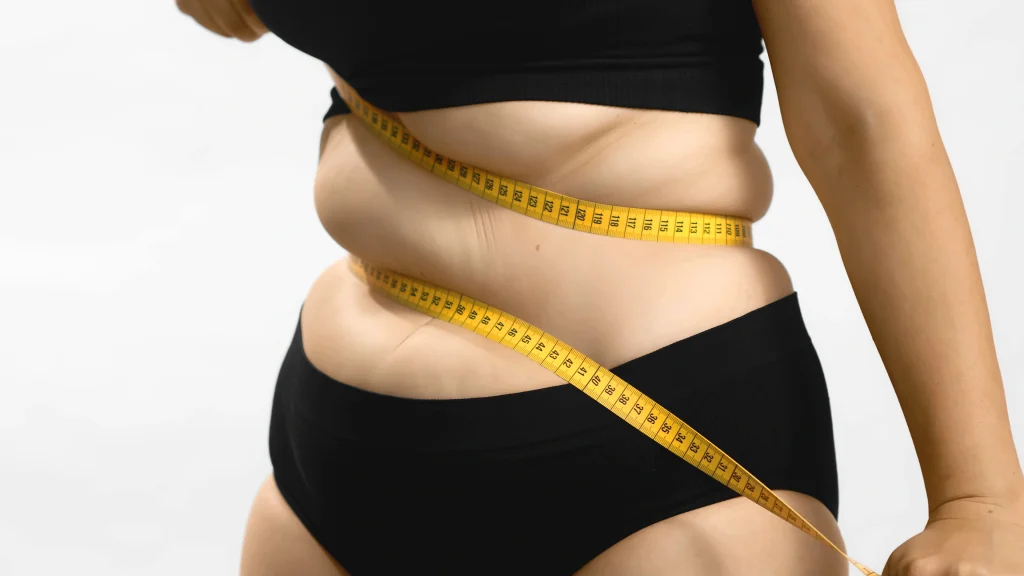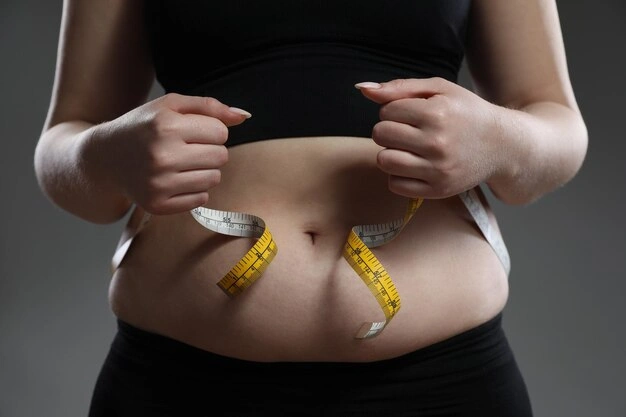



Gastric sleeve surgery, also known as sleeve gastrectomy, has become one of the most popular and effective weight loss procedures worldwide. In recent years, gastric sleeve in Turkey has emerged as the #1 choice for international patients seeking safe, affordable, and long-lasting bariatric solutions. With advanced medical facilities, experienced surgeons, and comprehensive patient care, Turkey has positioned itself as a global leader in bariatric surgery.
What Is Gastric Sleeve Surgery?
Gastric sleeve surgery is a minimally invasive bariatric procedure that removes approximately 75–80% of the stomach, leaving behind a smaller, tube-shaped stomach. This significantly reduces food intake and decreases hunger hormones such as ghrelin, helping patients feel full faster and eat less naturally.
Unlike gastric bypass, the gastric sleeve does not reroute the intestines, making it a simpler procedure with fewer long-term complications while still delivering impressive weight loss results.
Why Is Gastric Sleeve in Turkey So Popular?
1. World-Class Medical Standards
Turkey is home to internationally accredited hospitals that follow strict global healthcare protocols. Bariatric surgeons in Turkey are highly experienced, often performing hundreds of gastric sleeve surgeries annually with excellent success rates.
2. Affordable Costs Without Compromising Quality
One of the main reasons patients choose gastric sleeve in Turkey is the cost advantage. Compared to countries like the USA, UK, or EU nations, patients can save up to 60–70% while receiving the same or even higher level of care.
At Badge Health, all-inclusive packages cover surgery, hospital stay, accommodation, transfers, medications, and post-operative follow-up, eliminating hidden costs.
3. Short Waiting Times
Unlike many countries where bariatric surgery waiting lists can be months or even years long, Turkey offers fast scheduling. Patients can typically undergo surgery within days of arrival.
Benefits of Gastric Sleeve Surgery
- Significant and sustainable weight loss
- Improvement or resolution of diabetes, hypertension, and sleep apnea
- No foreign objects implanted in the body
- Short hospital stay and faster recovery
- Improved quality of life and self-confidence
Recovery and Life After Surgery
Recovery after gastric sleeve surgery is generally quick. Most patients stay in the hospital for 2–3 days and return to light activities within a week. A structured post-op nutrition plan is essential, starting with liquids and gradually transitioning to solid foods.
Long-term success depends on lifestyle changes, including healthy eating habits and regular physical activity. With professional guidance from Badge Health’s medical and nutrition team, patients receive continuous support throughout their weight loss journey.
Is Gastric Sleeve Surgery Safe in Turkey?
Yes, when performed by qualified surgeons in accredited facilities, gastric sleeve surgery in Turkey is extremely safe. At Badge Health, patient safety is the top priority. Every patient undergoes a comprehensive medical evaluation before surgery, and procedures are performed using advanced laparoscopic techniques.
Post-operative care and follow-up are carefully monitored to minimize risks and ensure optimal outcomes.
Why Choose Badge Health for Gastric Sleeve in Turkey?
Badge Health combines medical excellence with personalized patient care. From the first consultation to long-term follow-up, patients receive transparent communication, expert guidance, and compassionate support.
With a proven track record of successful bariatric outcomes, Badge Health ensures safe, natural, and life-changing weight loss results for patients from all over the world.
Final Thoughts
If you are struggling with obesity and seeking a proven, affordable, and effective solution, gastric sleeve in Turkey may be the right choice for you. With expert surgeons, advanced hospitals, and comprehensive care, Turkey continues to lead the way in bariatric surgery.
Contact Badge Health today to take the first step toward a healthier, more confident life.