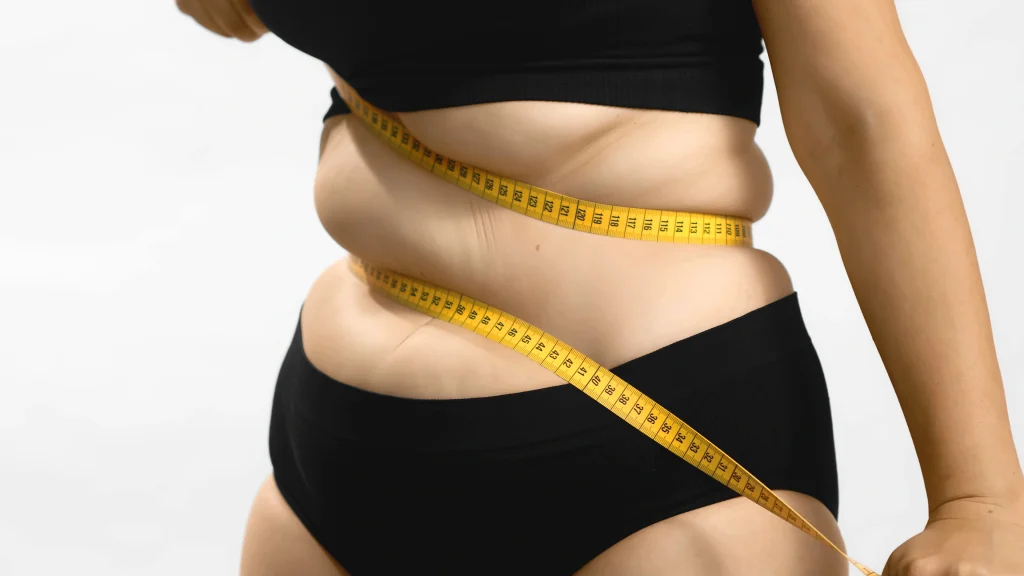



Obesity has a significant impact on reproductive health for both women and men. As more patients consider weight loss surgery, questions about bariatric surgery and fertility are becoming increasingly common. Understanding how bariatric procedures affect hormones, reproductive systems, and pregnancy planning is essential for making informed decisions.
At Badge Health, patients receive comprehensive guidance to ensure both weight loss success and long-term reproductive health.
How Obesity Affects Fertility
Excess body weight disrupts hormonal balance and reproductive function.
In women, obesity is often associated with irregular menstrual cycles, ovulation disorders, and polycystic ovary syndrome (PCOS). In men, obesity may lead to reduced testosterone levels, lower sperm quality, and erectile dysfunction.
How Bariatric Surgery Improves Fertility
Weight loss after bariatric surgery leads to improved metabolic and hormonal regulation.
As insulin resistance decreases and hormone levels normalize, reproductive function often improves naturally.
Fertility Benefits for Women
Many women experience restored ovulation and regular menstrual cycles after surgery.
For patients with PCOS, bariatric surgery can significantly reduce symptoms and improve chances of natural conception.
Fertility Benefits for Men
Men often see improvements in testosterone production following weight loss.
Higher testosterone levels may improve sperm quality, libido, energy levels, and overall sexual health.
When Is It Safe to Get Pregnant After Bariatric Surgery?
Most specialists recommend waiting 12 to 18 months after bariatric surgery before attempting pregnancy.
This period allows weight loss to stabilize and ensures adequate nutritional intake for both mother and baby.
Nutritional Considerations During Pregnancy
Bariatric patients require careful nutritional monitoring during pregnancy.
- Protein intake must be sufficient
- Vitamin and mineral supplementation is essential
- Regular blood tests help prevent deficiencies
Working closely with healthcare providers ensures a healthy pregnancy.
Contraception After Bariatric Surgery
Improved fertility can occur quickly after surgery, sometimes before patients expect it.
Effective contraception is important during the recommended waiting period to avoid unplanned pregnancy.
Risks of Pregnancy Too Soon After Surgery
Pregnancy during rapid weight loss may increase risks such as nutritional deficiencies and fetal growth concerns.
Delaying pregnancy supports better outcomes for both mother and child.
Pregnancy Outcomes After Bariatric Surgery
Studies show lower rates of gestational diabetes, preeclampsia, and pregnancy-related complications after weight loss surgery.
Overall maternal and fetal health outcomes are often improved compared to pregnancies affected by obesity.
Emotional and Psychological Considerations
Body image changes, emotional adjustments, and lifestyle shifts may affect family planning decisions.
Psychological support helps patients navigate these changes with confidence.
How Badge Health Supports Fertility and Family Planning
Badge Health offers individualized bariatric care with attention to reproductive health goals.
Our multidisciplinary team collaborates to support safe weight loss, fertility planning, and long-term well-being.
Final Thoughts
Bariatric surgery and fertility are closely connected, with weight loss often leading to significant improvements in reproductive health.
With proper timing, nutritional support, and medical guidance, patients can safely plan for pregnancy and family growth.
If you are considering bariatric surgery and have questions about fertility or pregnancy, contact Badge Health today for expert consultation and personalized care.