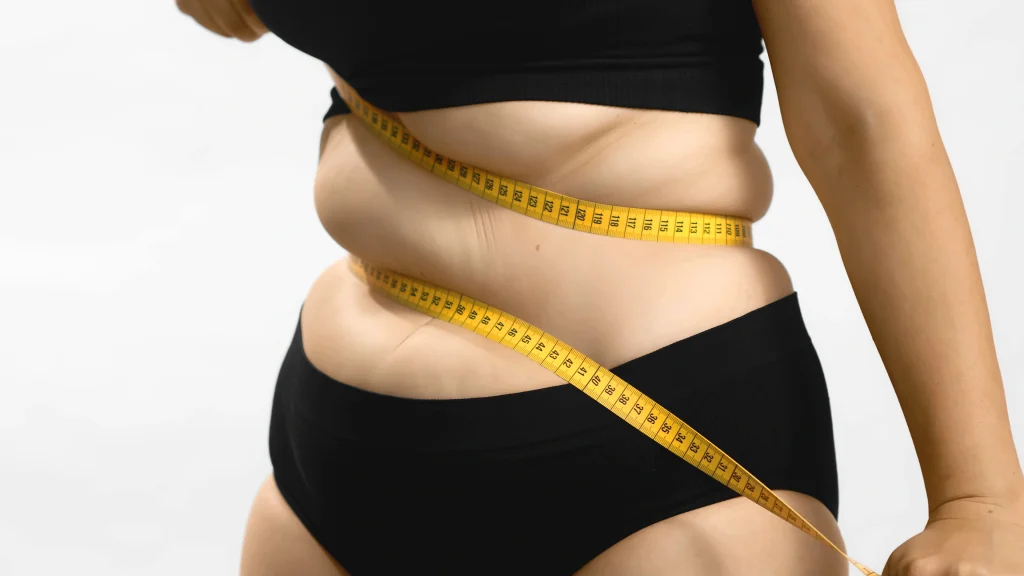



Dumping syndrome is a common post-operative challenge for patients who undergo gastric bypass surgery. It occurs when food moves too quickly from the stomach into the small intestine, causing nausea, dizziness, sweating, and diarrhea. Understanding how to avoid dumping syndrome after gastric bypass is essential for comfort, recovery, and long-term weight loss success.
At Badge Health, we provide patients with practical strategies to prevent dumping syndrome while supporting healing and healthy eating habits.
Why Dumping Syndrome Happens
Gastric bypass surgery reduces stomach size and reroutes part of the small intestine. This accelerates the passage of food, especially high-sugar or high-fat meals, which can overwhelm the digestive system.
Symptoms may appear within minutes (early dumping) or 1–3 hours after eating (late dumping).
Common Symptoms of Dumping Syndrome
- Nausea or vomiting
- Abdominal cramps or bloating
- Diarrhea
- Dizziness or fainting
- Rapid heartbeat or sweating
- Feeling very full or weak after meals
1. Avoid High-Sugar Foods
Candy, desserts, pastries, sugary drinks, and fruit juices are the main triggers for dumping syndrome.
Limiting sugar intake helps prevent rapid gastric emptying and reduces symptoms.
2. Control Portion Sizes
Eating small, frequent meals instead of large portions reduces the risk of overloading the stomach and triggering dumping syndrome.
Patients are encouraged to take 20–30 minutes per meal and chew food thoroughly.
3. Combine Protein and Complex Carbs
Balancing meals with lean protein, fiber-rich vegetables, and complex carbohydrates slows digestion.
Protein-focused meals reduce rapid sugar absorption and provide sustained energy.
4. Avoid Drinking During Meals
Drinking fluids immediately before, during, or after meals can accelerate gastric emptying and worsen symptoms.
Patients should wait 30 minutes after eating before drinking.
5. Limit Fatty Foods
High-fat meals, especially fried or greasy foods, are harder to digest and can trigger nausea or diarrhea.
Focus on healthy fats in moderation, like avocado, olive oil, or nuts.
6. Monitor Lactose and Artificial Sweeteners
Some patients are sensitive to lactose or sugar alcohols (sorbitol, xylitol), which may worsen digestive discomfort.
Monitoring tolerance and adjusting intake is key.
7. Elevate Meal Timing Awareness
Spacing meals and snacks evenly throughout the day prevents overloading the stomach and helps maintain steady blood sugar levels.
8. Keep a Food Diary
Tracking what you eat and when symptoms occur can help identify triggers and improve dietary choices.
9. Slow Eating and Mindful Practices
Eating slowly, chewing thoroughly, and avoiding distractions reduces the risk of dumping syndrome and improves digestion.
10. Follow-Up and Professional Guidance
Regular appointments with a bariatric nutritionist or surgeon help address symptoms, adjust diet plans, and ensure long-term success.
Badge Health Support for Dumping Syndrome
Badge Health provides personalized dietary plans, education, and ongoing support to minimize dumping syndrome risk. Our team helps patients navigate post-surgery challenges safely and effectively.
Final Thoughts
Understanding how to avoid dumping syndrome after gastric bypass empowers patients to enjoy a comfortable recovery and achieve lasting weight loss.
With proper food choices, portion control, and professional guidance, dumping syndrome can be managed successfully. Contact Badge Health today for expert post-operative nutrition and support.