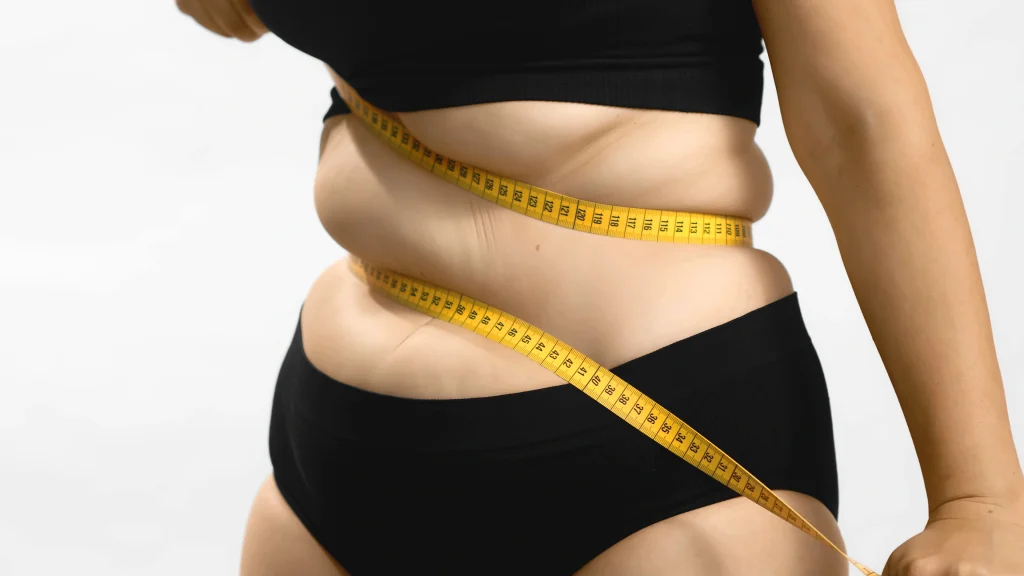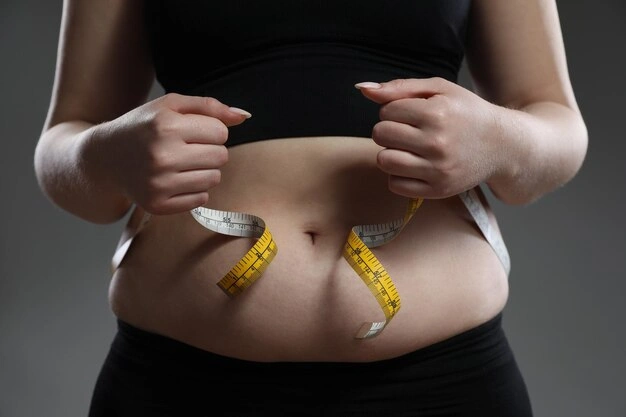


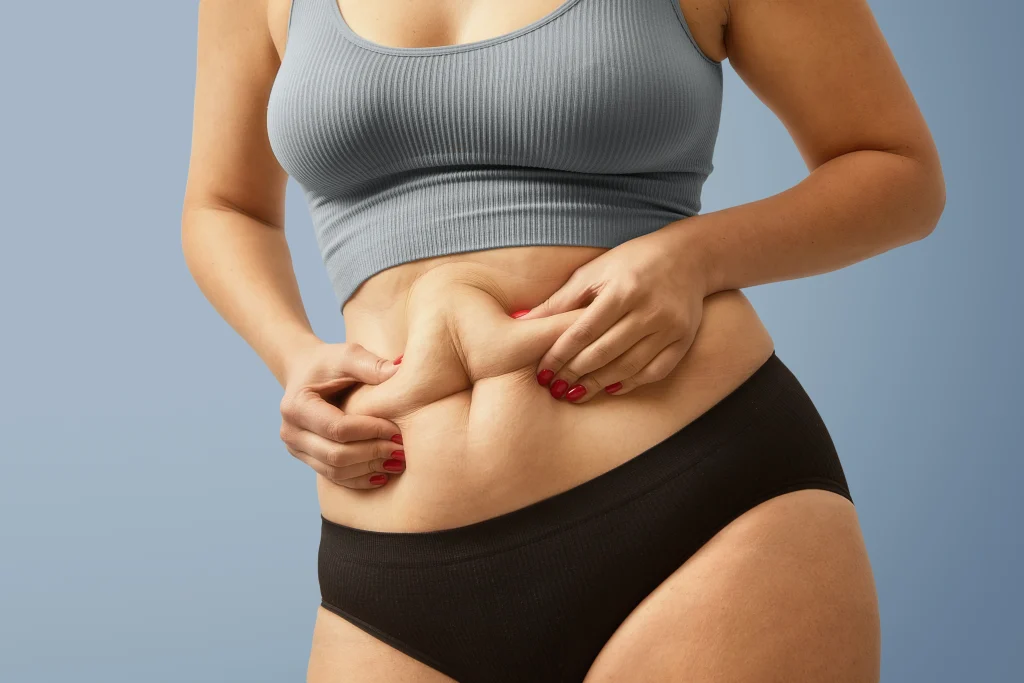
Massive weight loss after bariatric surgery is a life-changing achievement, but many patients face a common challenge afterward: loose or excess skin. Understanding how to manage loose skin after weight loss surgery can help improve comfort, confidence, and overall quality of life as your body adjusts to its new shape.
At Badge Health, patients receive guidance not only for weight loss but also for the physical changes that follow—helping them feel confident at every stage of their journey.
Why Loose Skin Happens After Weight Loss Surgery
Loose skin develops when the skin loses its elasticity and cannot fully adapt to rapid weight loss. Contributing factors include:
- Amount of weight lost
- Duration of obesity before surgery
- Age and genetics
- Skin quality and elasticity
While some degree of loose skin is normal, its severity varies from person to person.
Can Loose Skin Be Prevented?
Complete prevention is not always possible, but certain strategies may help minimize excess skin:
- Lose weight gradually after surgery
- Maintain proper hydration
- Follow a protein-rich diet to support skin health
- Avoid smoking, which reduces skin elasticity
Healthy lifestyle habits play a significant role in how your skin adapts over time.
Build Muscle to Improve Skin Appearance
Strength training can improve the appearance of loose skin by filling underlying tissue:
- Helps tone and firm the body
- Improves posture and body shape
- Enhances overall strength and metabolism
Always follow your medical team’s guidance before starting resistance exercises.
Non-Surgical Options for Managing Loose Skin
Some patients benefit from non-invasive treatments such as:
- Skin-tightening procedures using radiofrequency or ultrasound
- Massage therapy to improve circulation
- Topical treatments to support skin hydration
These options may provide modest improvements, especially for mild to moderate loose skin.
When to Consider Body Contouring Surgery
For significant excess skin, body contouring surgery may be the most effective solution. Common procedures include:
- Abdominoplasty (tummy tuck)
- Arm lift (brachioplasty)
- Thigh lift
- Breast lift
Most surgeons recommend waiting until your weight has stabilized for 6–12 months before pursuing corrective surgery.
Emotional and Psychological Impact
Loose skin can affect self-esteem and body image. Managing this aspect is just as important:
- Set realistic expectations about body changes
- Focus on health improvements, not perfection
- Seek emotional support if needed
Badge Health’s Integrated Care Approach
Badge Health provides comprehensive support by offering:
- Post-bariatric lifestyle and nutrition guidance
- Referrals for body contouring consultations
- Education on skin health and recovery timelines
- Ongoing follow-up for long-term success
Final Thoughts
Managing loose skin after weight loss surgery is a journey that requires patience, self-care, and realistic expectations. While some changes are unavoidable, a healthy lifestyle, proper nutrition, and professional support can significantly improve outcomes. With Badge Health’s holistic approach, patients can embrace their transformation fully—celebrating both improved health and renewed confidence.