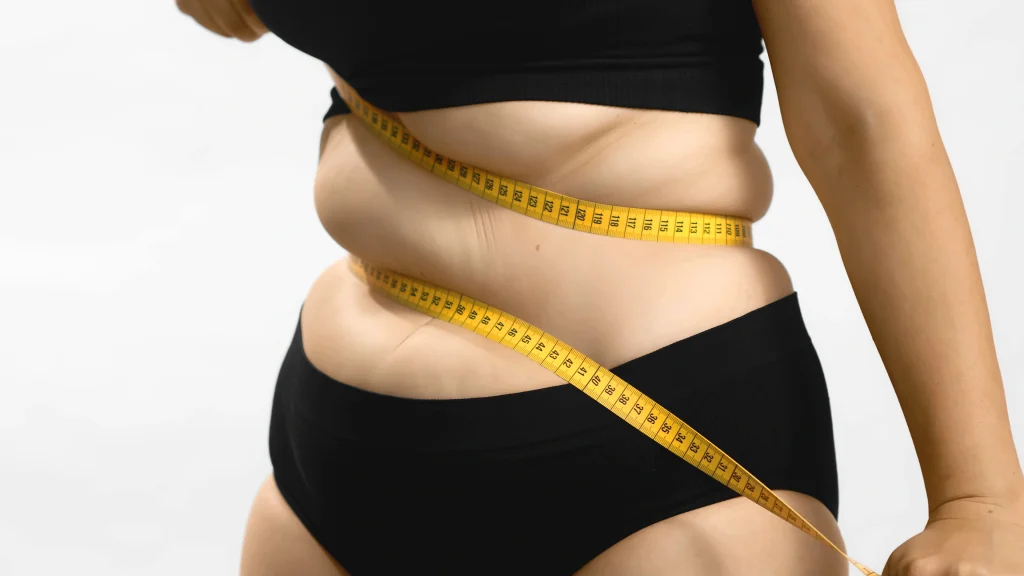



Gastric sleeve surgery is a powerful tool for long-term weight loss, but maintaining results depends on daily habits. One of the most common concerns among patients is stretching the stomach after sleeve surgery. While the stomach cannot return to its original size, poor eating behaviors can gradually increase its capacity and lead to weight regain.
At Badge Health, patients are educated on how to protect their gastric sleeve and preserve results for years to come.
Can the Stomach Stretch After Gastric Sleeve?
After sleeve surgery, approximately 70–80% of the stomach is removed. While the remaining portion is smaller and less flexible, it can still adapt slightly over time if consistently overstressed. This usually happens due to:
- Eating large portions regularly
- Frequent overeating or grazing
- Ignoring fullness signals
The key is not fear—but awareness and consistency.
Practice Proper Portion Control
Portion size plays a critical role in protecting your sleeve:
- Use small plates and bowls
- Measure food portions, especially in the first year
- Stop eating as soon as you feel satisfied—not full
Overeating even healthy foods can place unnecessary pressure on the stomach.
Eat Slowly and Mindfully
Speed of eating directly affects stomach comfort:
- Take small bites
- Chew each bite thoroughly
- Pause between bites
Eating too quickly can cause discomfort and lead to overeating before fullness signals reach the brain.
Avoid Drinking Liquids With Meals
Drinking during meals can stretch the stomach and push food through too quickly:
- Stop drinking 30 minutes before meals
- Wait at least 30 minutes after eating to drink
- Focus on hydration between meals instead
This habit supports both portion control and digestion.
Limit Trigger Foods
Certain foods are easier to overconsume:
- Soft, processed foods like chips or sweets
- High-calorie liquids such as milkshakes or alcohol
- Foods that don’t provide satiety
Protein-rich, solid foods help you feel full with smaller portions.
Avoid Grazing Throughout the Day
Constant snacking is one of the most common causes of stomach stretching:
- Stick to planned meals and snacks
- Avoid eating out of boredom or stress
- Recognize emotional eating triggers
Structured eating patterns protect stomach size and metabolism.
Listen to Your Body’s Signals
Your stomach communicates clearly when it has had enough:
- Pressure in the chest or upper abdomen
- Hiccups or nausea
- A sudden loss of appetite
Ignoring these signals repeatedly increases the risk of stretching.
Stay Consistent With Follow-Up Care
Regular follow-ups help catch issues early:
- Routine appointments with your bariatric team
- Nutritional guidance and adjustments
- Behavioral support when habits slip
Badge Health’s Long-Term Protection Strategy
Badge Health supports patients in protecting their gastric sleeve through:
- Detailed post-op education
- Personalized nutrition planning
- Behavioral habit coaching
- Ongoing monitoring and guidance
Final Thoughts
Avoiding stomach stretching after sleeve surgery is less about restriction and more about mindful consistency. By eating slowly, respecting portion sizes, avoiding grazing, and listening to your body, you can preserve the effectiveness of your surgery and maintain long-term weight loss. With Badge Health’s comprehensive support, patients are empowered to protect their results and enjoy lasting success.