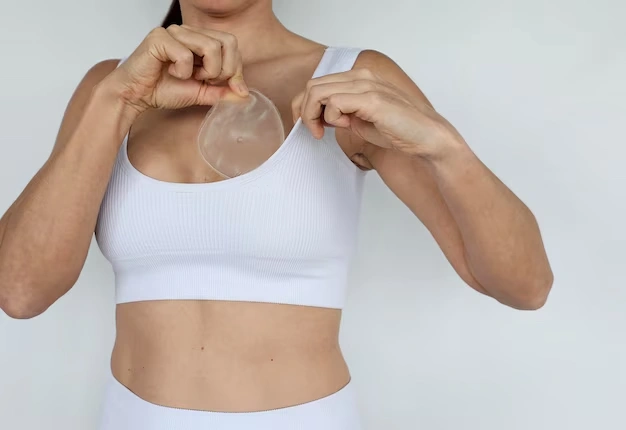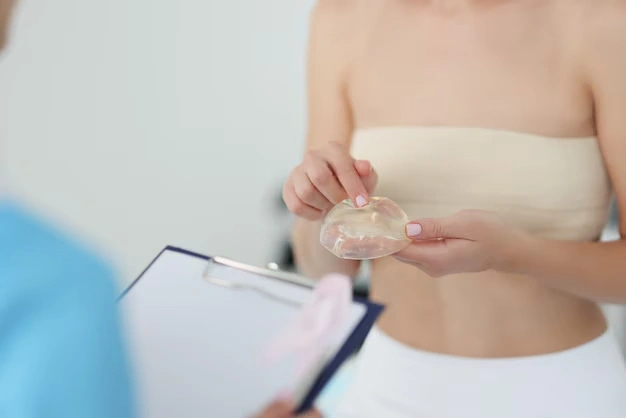


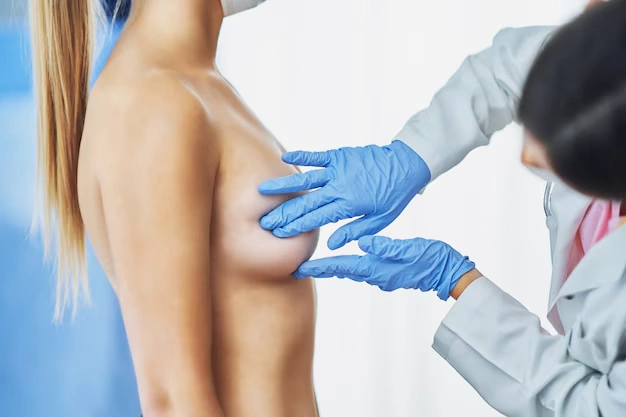
Many women with breast implants wonder how implants affect routine breast cancer screening. The good news is that mammograms are safe and effective for women with breast implants when performed correctly. Understanding how implants interact with imaging and what steps to take ensures both early detection and implant safety.
Can You Have a Mammogram with Breast Implants?
Yes, women with both silicone and saline implants can safely undergo mammograms. Breast implants do not prevent breast cancer screening, but they do require specialized imaging techniques to ensure accurate results.
It is essential to inform the imaging center about your implants before the appointment so the radiology team can prepare appropriately.
How Breast Implants Affect Mammogram Imaging
Breast implants can partially obscure breast tissue, making it more challenging to visualize all areas during standard mammogram views. This does not mean cancer cannot be detected, but it requires additional images to improve accuracy.
Radiologists use a technique called implant displacement (ID) views, also known as Eklund views. These images gently push the implant back against the chest wall while pulling the breast tissue forward, allowing clearer visualization.
Is There a Risk of Implant Rupture During a Mammogram?
Implant rupture during mammography is extremely rare. Modern implants are designed to withstand pressure, and trained technicians apply controlled compression to minimize risk.
While mild discomfort may occur, the benefits of early cancer detection far outweigh the minimal risks associated with imaging.
When Should You Start Mammograms If You Have Implants?
Women with breast implants should follow the same screening guidelines as those without implants, unless otherwise advised by their physician. Typically:
- Annual or biennial mammograms starting at age 40
- Earlier screening for high-risk individuals
- Regular clinical breast exams
Implants do not increase breast cancer risk, so screening schedules remain largely unchanged.
Alternative Imaging Options
In some cases, additional imaging may be recommended, such as:
- Breast ultrasound for dense tissue evaluation
- MRI scans for silicone implant integrity
- Advanced digital mammography (3D tomosynthesis)
These tools complement mammograms and provide comprehensive breast assessment.
Tips for a Safe and Accurate Mammogram
To ensure the best experience and results:
- Always disclose your implants when booking the exam
- Choose an imaging center experienced with implants
- Bring previous mammogram results for comparison
- Schedule your exam when breasts are least tender
Long-Term Breast Health with Implants
Routine screenings, self-exams, and follow-up imaging help maintain breast health over time. Women with silicone implants may also be advised to undergo periodic MRI scans to monitor implant integrity.
Staying proactive ensures both early detection and long-lasting implant safety.
Why Choose Badge Health?
Badge Health supports patients beyond surgery, emphasizing long-term wellness and preventive care. Patients receive guidance on screening schedules, imaging options, and trusted medical facilities to ensure ongoing breast health.
Final Thoughts
Breast implants should never prevent you from prioritizing breast cancer screening. With proper communication, advanced imaging techniques, and experienced professionals, mammograms remain a safe and essential part of women’s health—implants included.