


A mastectomy can be a life-saving procedure, but it may also have a profound emotional and physical impact. Breast reconstruction surgery offers women the opportunity to restore the shape of the breast following cancer treatment. Thanks to advances in modern surgical techniques, breast reconstruction today is safer, more natural-looking, and highly personalized.
What Is Breast Reconstruction?
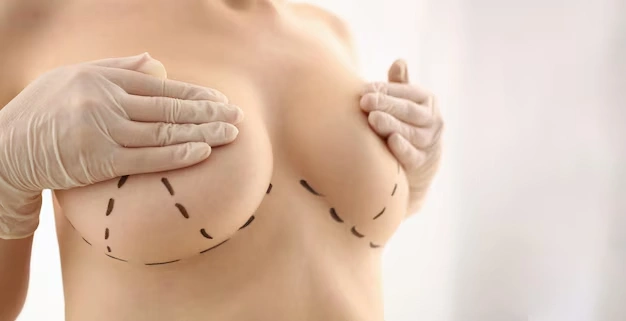
Breast reconstruction is a surgical procedure that recreates the breast mound after mastectomy or lumpectomy. The procedure aims to restore symmetry, contour, and confidence while supporting emotional recovery.
Reconstruction can be performed at the same time as mastectomy (immediate reconstruction) or at a later stage (delayed reconstruction), depending on medical and personal factors.
When Can Breast Reconstruction Be Performed?
The timing of reconstruction depends on cancer treatment plans, including chemotherapy or radiation therapy. Some patients benefit from immediate reconstruction, while others may be advised to wait until all cancer treatments are completed.
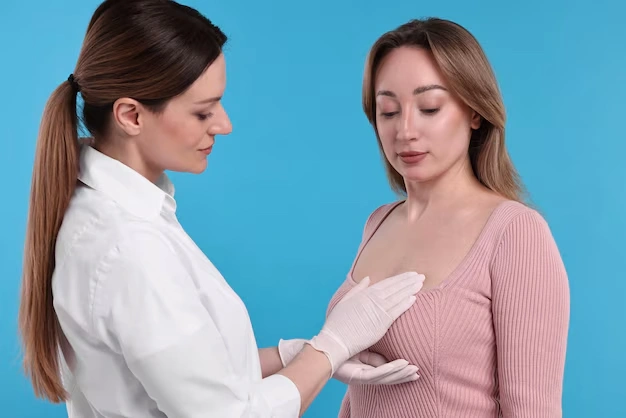
A multidisciplinary medical team works together to determine the safest approach.
Modern Breast Reconstruction Techniques
Implant-Based Reconstruction
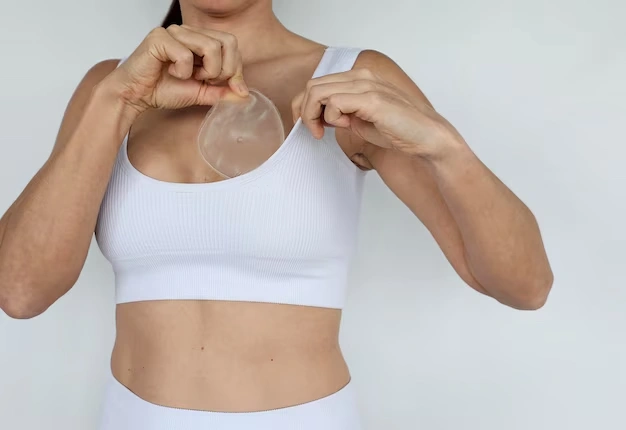
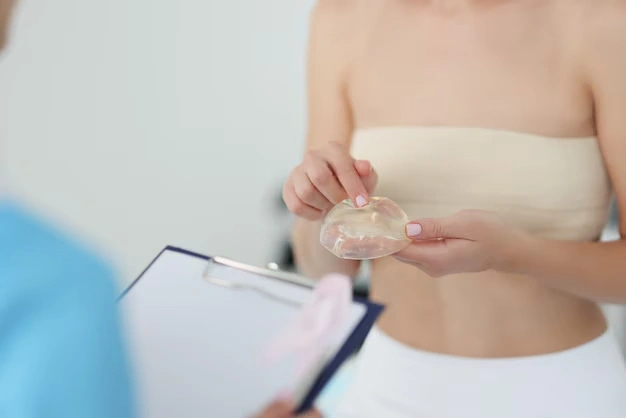
This method uses silicone or saline implants to recreate the breast shape. It may be performed in one or two stages:
- Direct-to-implant reconstruction
- Tissue expanders followed by implant placement
Implant-based reconstruction is less invasive and offers shorter surgery and recovery time.
Autologous (Flap) Reconstruction
Autologous reconstruction uses the patient’s own tissue, typically taken from the abdomen, back, or thighs. Common flap techniques include:
- DIEP flap
- TRAM flap
- Latissimus dorsi flap
This approach provides a more natural feel and long-term durability but involves longer surgery and recovery.
Fat Grafting
Fat transfer is often used as a supplementary technique to improve contour, correct asymmetry, and soften implant edges. It enhances natural appearance and texture.
Nipple and Areola Reconstruction
Once the breast mound has healed, nipple and areola reconstruction may be performed. This final step helps restore natural breast appearance and symmetry.
Options include surgical reconstruction or medical tattooing for realistic pigmentation.
What Results Can You Expect?
While reconstructed breasts may not have the same sensation as natural breasts, modern techniques achieve impressive cosmetic outcomes. Patients typically experience:
- Improved body symmetry
- Enhanced self-confidence
- Natural-looking breast contour
Results continue to improve as swelling subsides and tissues settle.
Recovery and Healing
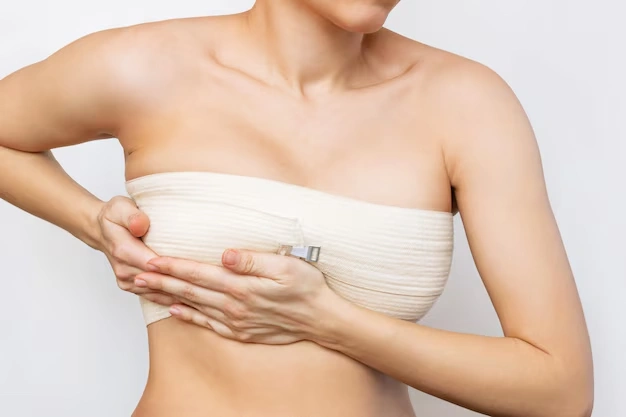
Recovery time varies depending on the reconstruction method. Implant-based reconstruction generally allows faster recovery, while flap procedures require additional healing time.
Most patients can resume light activities within a few weeks, with full recovery over several months.
Emotional and Psychological Benefits
Breast reconstruction plays a significant role in emotional healing after cancer treatment. Many women report improved self-esteem and a renewed sense of wholeness.
Why Choose Badge Health?
Badge Health partners with highly experienced reconstructive surgeons and accredited medical centers in Turkey. With a patient-centered approach, advanced surgical techniques, and comprehensive aftercare, Badge Health ensures safe and supportive reconstruction journeys.
Final Thoughts
Breast reconstruction after mastectomy is a deeply personal decision. With modern techniques, patients have more options than ever to restore their body and confidence. Through expert care and individualized planning, reconstruction surgery can offer both physical restoration and emotional renewal.