

Breast reduction surgery offers life-changing relief from physical discomfort and improves overall quality of life. While the benefits are significant, many patients naturally have concerns about scarring. Understanding breast reduction scars—what they look like, how they heal, and how to treat them—helps set realistic expectations and achieve the best possible outcome.
Why Scarring Is Unavoidable in Breast Reduction
Breast reduction involves removing excess breast tissue, fat, and skin to achieve a smaller, more proportional breast size. Because incisions are necessary, some degree of scarring is unavoidable. However, modern surgical techniques focus on placing incisions strategically to minimize visibility.
With proper care, scars typically fade significantly over time.
Common Types of Breast Reduction Scars
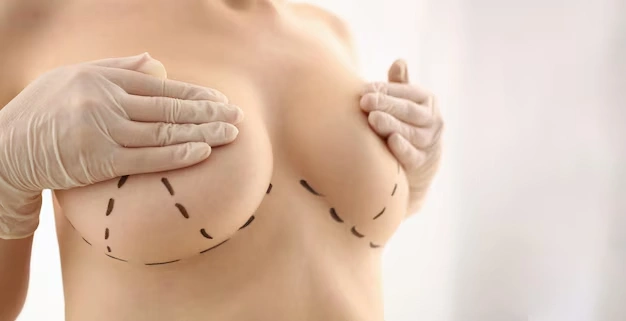
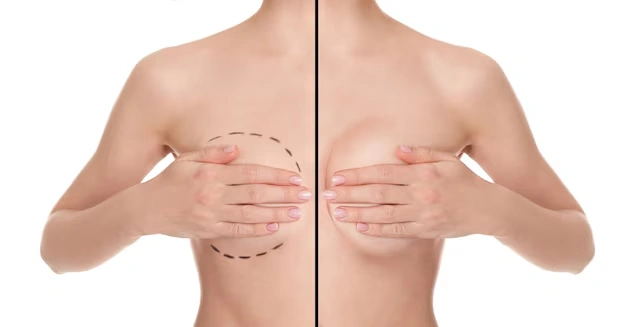
The type and extent of scarring depend on the surgical technique used. The most common incision patterns include:
- Anchor (inverted T) scar: Around the areola, vertically down to the breast fold, and along the crease
- Lollipop scar: Around the areola and vertically downward
- Periareolar scar: Limited to the edge of the areola
Your surgeon will recommend the technique best suited to your anatomy and goals.
What Breast Reduction Scars Look Like Over Time
Scars evolve as the body heals. Initially, they may appear red, raised, or firm. Over several months, they typically soften, flatten, and fade in color.
- First 3 months: Red or pink and more noticeable
- 3–6 months: Gradual softening and lightening
- 6–12 months: Continued fading and smoothing
Final scar appearance varies from person to person.
How to Minimize Breast Reduction Scars
While scars cannot be eliminated entirely, several strategies help minimize their appearance:
Follow Post-Operative Instructions
Adhering to your surgeon’s aftercare guidelines is the most important factor in scar healing. This includes wound care, activity restrictions, and follow-up visits.
Use Silicone-Based Products
Silicone gels and sheets are widely recommended to improve scar texture and appearance. They help hydrate the scar and regulate collagen production.
Protect Scars from Sun Exposure
UV exposure can darken scars and make them more visible. Keeping scars covered or using sun protection is essential for at least the first year.
Maintain Healthy Lifestyle Habits
A balanced diet, proper hydration, and avoiding smoking support optimal healing and scar reduction.
Medical Treatments for Scar Improvement
For patients with more prominent scars, medical treatments may be considered, including:
- Laser therapy
- Steroid injections
- Microneedling
- Prescription topical treatments
These options are typically explored several months after surgery.
Who Is More Prone to Noticeable Scarring?
Some individuals are genetically predisposed to thicker or darker scars. Factors that may influence scar appearance include:
- Skin type and tone
- Healing response
- Tension on incision lines
- Post-operative care adherence
Why Choose Badge Health?
Badge Health collaborates with experienced, board-certified plastic surgeons in Turkey who use advanced techniques to minimize scarring. Patients receive personalized aftercare guidance and access to scar management solutions for optimal healing.
Final Thoughts
Breast reduction scars are a natural part of the healing process, but with proper care and patience, they often fade significantly over time. By choosing a skilled surgeon, following aftercare instructions, and exploring appropriate treatments, patients can enjoy the life-changing benefits of breast reduction with confidence in their results.