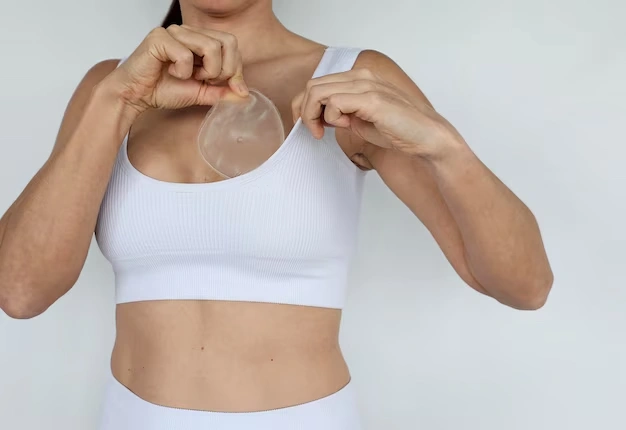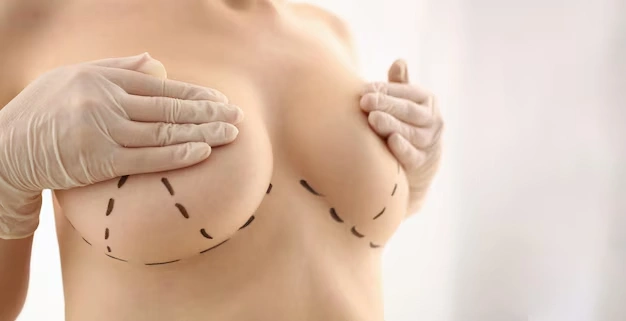



Undergoing breast surgery—whether it is augmentation, lift, reduction, or revision—naturally raises concerns about post-operative pain. While some discomfort is expected, modern surgical techniques and well-planned recovery strategies make pain after breast surgery highly manageable. Understanding what to expect and how to stay comfortable can significantly improve the recovery experience.
Understanding Pain After Breast Surgery
Pain following breast surgery typically results from tissue manipulation, swelling, muscle stretching, and the body’s natural inflammatory response. The intensity and duration of discomfort vary depending on the type of procedure, implant placement, and individual pain tolerance.
Most patients describe the sensation as tightness, pressure, or soreness rather than sharp pain.
Medication-Based Pain Control
Medication plays a central role in early recovery pain management. Surgeons often prescribe a combination of treatments, including:
- Prescription pain relievers for short-term use
- Anti-inflammatory medications to reduce swelling
- Muscle relaxants when implants are placed under the muscle
- Antibiotics to prevent infection-related discomfort
Patients should always follow prescribed dosages and avoid self-medicating.
Cold Therapy and Swelling Reduction
Cold compresses can help minimize swelling and provide relief during the first few days after surgery. Applying cold packs around—but not directly on—the surgical area helps reduce inflammation and discomfort.
Cold therapy should be used in intervals to avoid skin irritation.
The Importance of Proper Support
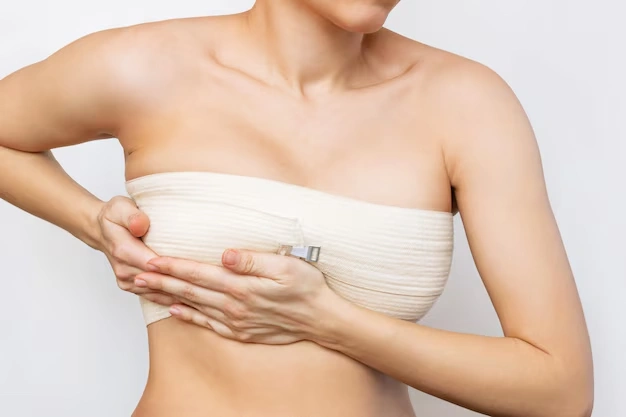
Wearing a surgical bra or compression garment provides essential support, limits excessive movement, and reduces strain on healing tissues. Proper support not only improves comfort but also helps maintain surgical results.
Patients should avoid underwire bras until cleared by their surgeon.
Sleeping Position and Comfort
Sleeping in an elevated position during the first weeks after surgery can greatly reduce swelling and pressure. Using extra pillows or a recliner helps maintain proper positioning and prevents accidental strain.
Side sleeping and stomach sleeping should be avoided during early recovery.
Gentle Movement and Activity
While rest is essential, light movement promotes circulation and reduces stiffness. Short walks help prevent complications such as blood clots and contribute to overall comfort.
Strenuous exercise and heavy lifting should be avoided until approved by your surgeon.
Hydration and Nutrition
Staying well-hydrated supports healing and reduces inflammation. A balanced diet rich in protein, vitamins, and minerals helps the body repair tissues more efficiently.
Avoiding excessive salt can help minimize swelling.
Managing Emotional Discomfort
Temporary emotional discomfort is common during recovery. Swelling, bruising, and limited mobility can affect mood. Adequate rest, realistic expectations, and support from family or caregivers can ease emotional stress.
When Pain Is Not Normal
While discomfort is expected, severe or worsening pain may indicate a complication. Patients should contact their surgeon if they experience:
- Sudden sharp or intense pain
- Excessive swelling on one side
- Signs of infection such as fever or redness
- Persistent pain beyond the expected recovery timeline
Why Choose Badge Health?
Badge Health prioritizes patient comfort and safety by partnering with experienced surgeons who implement advanced pain management protocols. Comprehensive recovery guidance ensures patients feel supported throughout every stage of healing.
Final Thoughts
Effective breast surgery pain management combines medical treatment, proper support, healthy habits, and attentive follow-up care. With the right approach, discomfort is temporary, and recovery can be smooth, controlled, and reassuring.