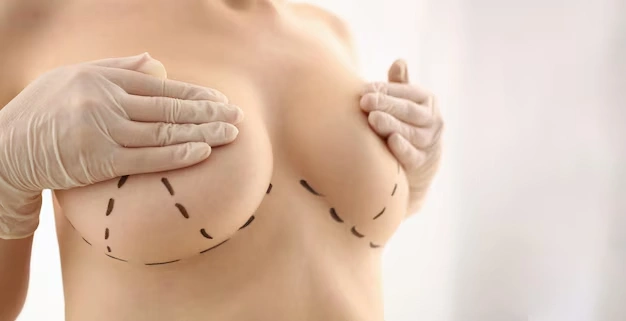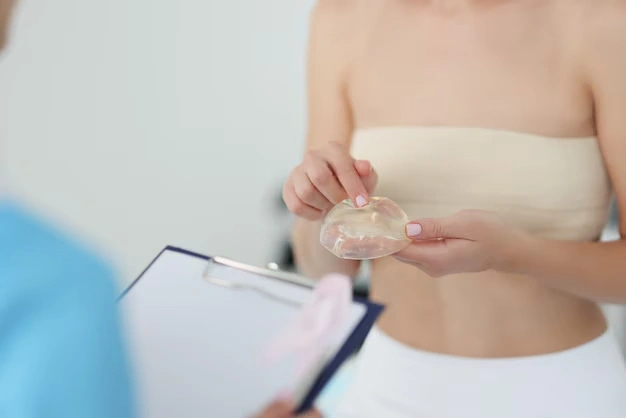



For women considering breast surgery who may want children in the future, one of the most common concerns is whether the procedure will impact their ability to breastfeed. The relationship between breast surgery and breastfeeding depends on the type of surgery performed, the surgical technique used, and individual anatomy. Understanding these factors helps patients make informed decisions.
How Breastfeeding Works
Breastfeeding relies on a complex system involving milk-producing glands, milk ducts, nipple sensation, and hormonal signals. Any surgery that disrupts these structures has the potential to affect milk production or delivery.
Preserving glandular tissue, ducts, and nerve connections is key to maintaining breastfeeding ability.
Breast Augmentation and Breastfeeding
Breast augmentation with implants generally has a low risk of interfering with breastfeeding, especially when modern surgical techniques are used.
Implant Placement Matters
- Under the muscle (submuscular): Least likely to affect milk production
- Over the muscle (subglandular): Slightly higher risk, depending on anatomy
Incision location also plays a role. Inframammary (under-breast) incisions are less likely to affect breastfeeding compared to periareolar incisions.
Breast Lift (Mastopexy) and Breastfeeding
A breast lift reshapes the breasts by removing excess skin and repositioning the nipple. In many cases, breastfeeding is still possible after mastopexy, especially if the nipple remains attached to the underlying tissue.
However, more extensive lifts may carry a slightly higher risk of disrupting milk ducts or nerves.
Breast Reduction and Breastfeeding
Breast reduction surgery has the highest potential to affect breastfeeding because it involves removing glandular tissue and altering duct systems.
The impact depends on the technique used. Modern reduction methods aim to preserve nipple attachment and ductal connections, improving the chances of successful breastfeeding.
Timing of Surgery and Pregnancy
If future breastfeeding is a priority, timing your surgery carefully is important. Some patients choose to delay breast surgery until after completing their family, while others proceed with surgery knowing that breastfeeding may still be possible.
Discussing family plans openly with your surgeon helps guide the safest approach.
What the Research Suggests
Clinical studies indicate that many women are able to breastfeed successfully after breast augmentation or lift surgery. Even after reduction, partial breastfeeding is often possible.
Milk supply may be reduced in some cases, but this does not always prevent breastfeeding entirely.
How to Improve Breastfeeding Success After Surgery
- Choose an experienced, board-certified plastic surgeon
- Opt for surgical techniques that preserve glandular tissue
- Allow adequate healing time before pregnancy
- Work with a lactation consultant after childbirth
Why Choose Badge Health?
Badge Health works with highly qualified plastic surgeons in Turkey who prioritize both aesthetic outcomes and long-term health considerations. Patients receive personalized surgical planning that takes future breastfeeding goals into account.
Final Thoughts
Breast surgery can affect breastfeeding, but the impact varies widely depending on the procedure and technique. Many women breastfeed successfully after breast augmentation or lift, while reduction surgery requires more careful consideration. By choosing the right surgeon and discussing your future plans, you can make confident decisions that balance beauty, health, and motherhood.