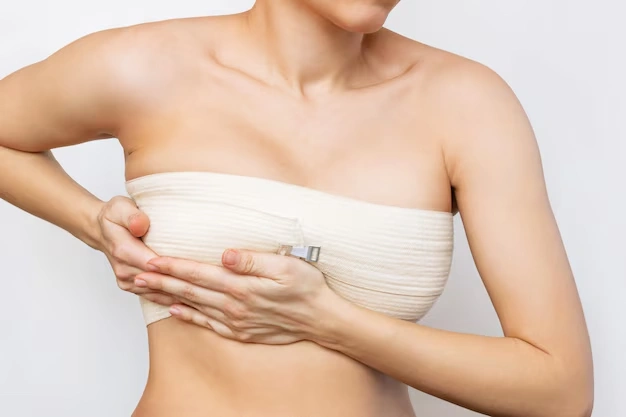



Breast implants have been used safely for decades, yet many misconceptions still surround breast augmentation. These myths often stem from outdated information, social stigma, or misinformation online. Understanding the truth behind common myths about breast implants helps patients make confident, informed decisions based on facts rather than fear.
Myth 1: Breast Implants Always Look Fake
One of the most persistent myths is that breast implants inevitably look unnatural. In reality, modern breast augmentation focuses on subtle enhancement and balanced proportions.
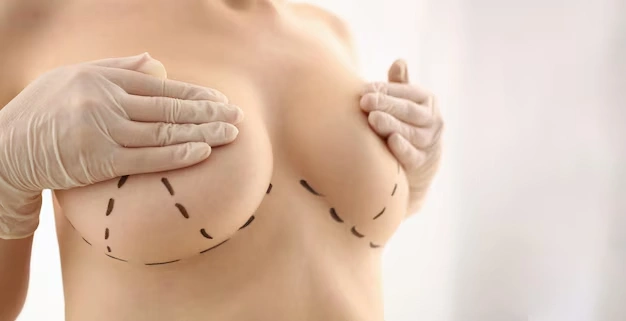
Implant size, shape, placement, and surgical technique all play a role in achieving natural-looking results. When chosen correctly, implants can be virtually indistinguishable from natural breast tissue.
Myth 2: Breast Implants Are Unsafe
Modern breast implants undergo extensive testing and are approved for use by international health authorities. When performed by experienced surgeons in accredited facilities, breast augmentation is considered a safe and well-established procedure.
Like any surgery, there are risks, but serious complications are rare when proper medical standards are followed.
Myth 3: Breast Implants Cause Serious Illness
There is a common belief that breast implants cause autoimmune diseases or long-term health issues. Extensive research has found no conclusive evidence linking breast implants to systemic illnesses in the general population.
Ongoing monitoring and transparent patient education continue to improve safety and awareness.
Myth 4: Breast Implants Last Forever
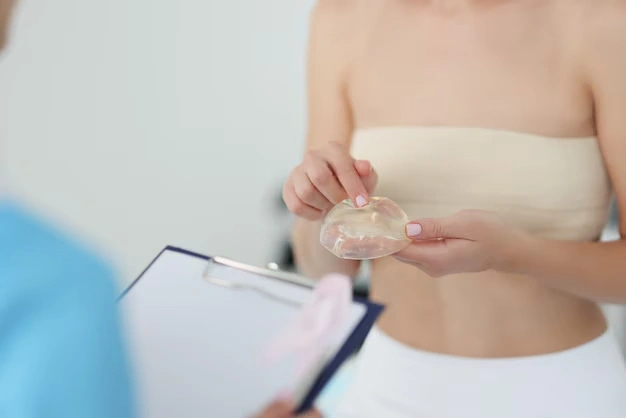
While implants are durable, they are not considered lifetime devices. Modern implants can last many years, often over a decade, but they may eventually require replacement or removal.
Routine follow-ups help ensure implant integrity and long-term satisfaction.
Myth 5: Only Young Women Get Breast Implants
Breast augmentation is not limited to any specific age group. Women of various ages choose implants for different reasons, including post-pregnancy changes, weight loss, or breast reconstruction.
Candidacy depends on health, not age.
Myth 6: Implants Prevent Breastfeeding
Most women with breast implants can breastfeed successfully. Surgical technique and incision placement play a role in preserving milk ducts and nipple sensation.
Many patients go on to breastfeed without complications.
Myth 7: Breast Implants Feel Hard and Uncomfortable
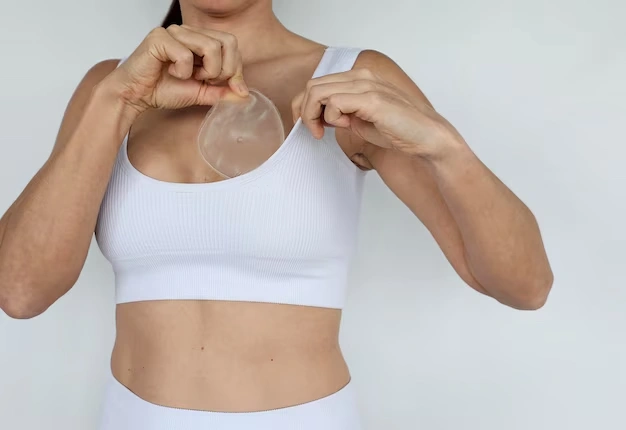
Modern silicone implants are designed to mimic the softness of natural breast tissue. Once healing is complete, many patients report that their breasts feel soft and natural to the touch.
Initial firmness after surgery is temporary and part of the healing process.
Myth 8: Larger Implants Always Mean Better Results
Bigger is not always better. Oversized implants can lead to discomfort, unnatural appearance, and long-term complications. Experienced surgeons prioritize proportion, balance, and tissue support over sheer size.
Myth 9: Recovery Takes Months of Bed Rest
While recovery varies, most patients return to light daily activities within one to two weeks. Advances in surgical techniques have significantly reduced downtime.
Following aftercare instructions helps ensure smooth healing.
Myth 10: Breast Implants Are Only Cosmetic
Breast implants are also used for reconstructive purposes, such as after mastectomy or trauma. For many women, implants restore confidence and body image following medical treatment.
The Importance of Accurate Information
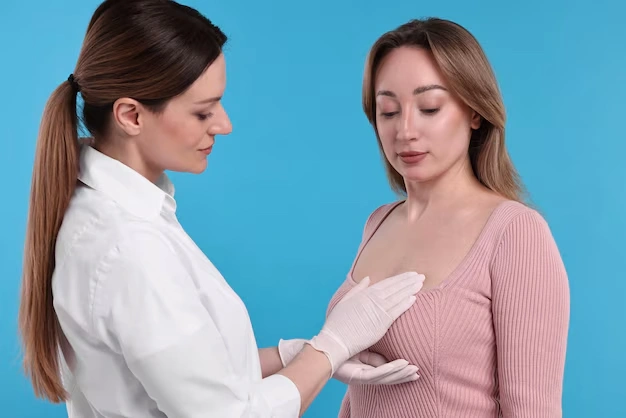
Relying on myths can lead to unnecessary anxiety and poor decision-making. Consulting qualified professionals and reviewing credible information is essential for understanding breast augmentation.
Why Choose Badge Health?
Badge Health connects patients with experienced, board-certified plastic surgeons in Turkey who prioritize transparency and patient education. Through honest consultations and modern techniques, Badge Health ensures patients receive accurate information and safe, satisfying outcomes.
Final Thoughts
Common myths about breast implants often reflect outdated beliefs rather than modern reality. Today’s breast augmentation is safer, more natural, and more personalized than ever. By separating fact from fiction, patients can approach surgery with clarity, confidence, and realistic expectations.