

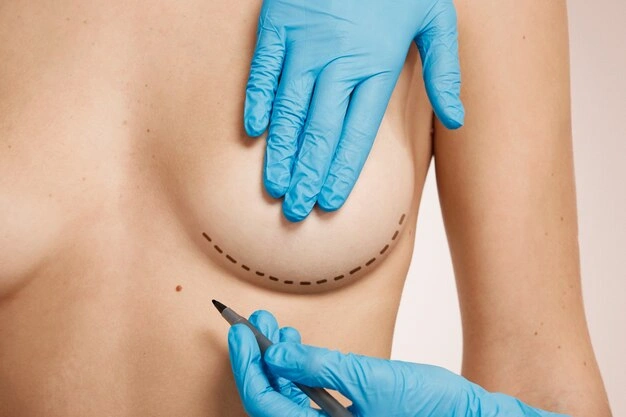
Deciding to undergo breast augmentation is a personal and often life-enhancing choice. Before moving forward, most patients have important questions about safety, results, recovery, and long-term outcomes. Being well-informed not only reduces anxiety but also helps you make confident decisions and achieve satisfying results.
Am I a Good Candidate for Breast Augmentation?
Ideal candidates are generally in good physical health, have realistic expectations, and seek to improve breast size, shape, or symmetry. Breast augmentation may be suitable for women who have experienced volume loss after pregnancy or weight changes, or who naturally have smaller breasts.
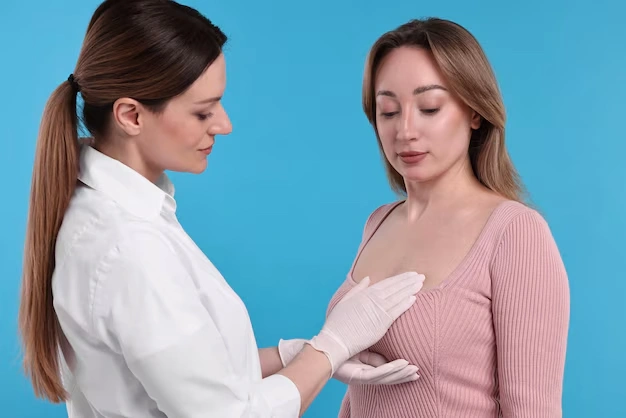
A consultation with a qualified surgeon is essential to determine candidacy.
What Types of Breast Implants Are Available?
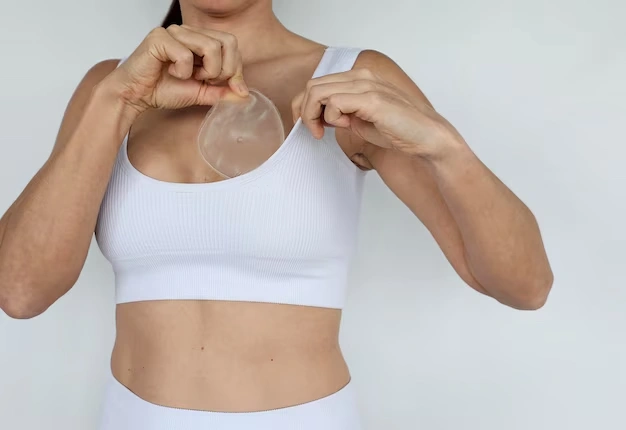
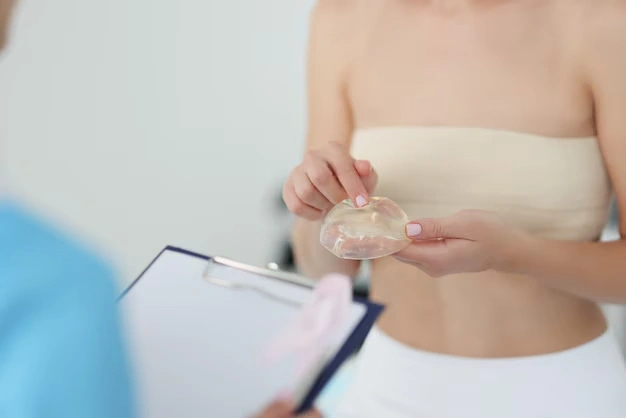
The most common implant types are silicone and saline. Silicone implants are known for their natural feel, while saline implants are filled with sterile saltwater and can be adjusted during surgery.
Implants also vary by shape (round or anatomical), profile (low to high), and surface texture. Your surgeon will recommend options based on your anatomy and goals.
How Do I Choose the Right Implant Size?
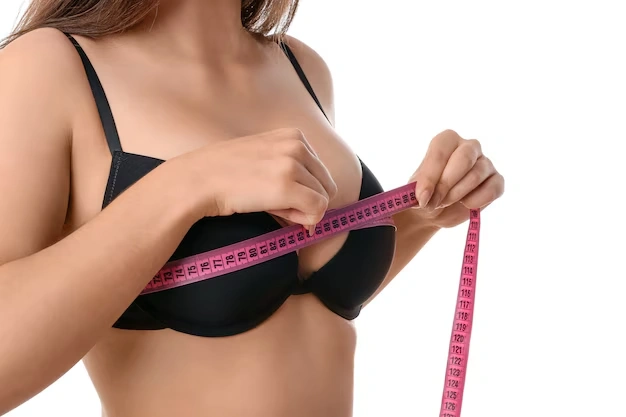
Implant size selection is based on body proportions, chest width, skin elasticity, and lifestyle. Rather than focusing on cup size, surgeons use measurements and visual tools such as implant sizers or 3D imaging.
The goal is a balanced result that complements your natural frame.
Where Will the Incisions Be Made?
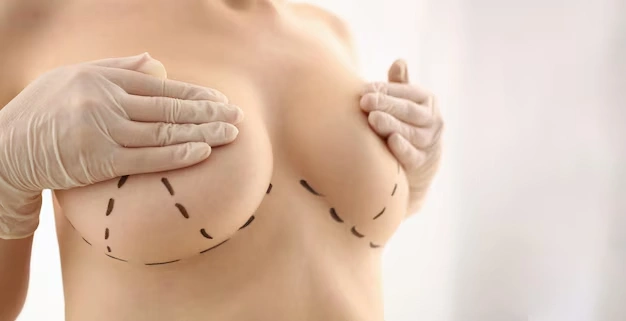
Common incision locations include the breast crease (inframammary), around the areola (periareolar), or in the armpit (transaxillary). Each option has advantages depending on implant type and desired scarring.
Your surgeon will explain which approach best suits your anatomy.
Is Breast Augmentation Safe?
Breast augmentation is one of the most commonly performed cosmetic surgeries worldwide and is considered safe when performed by experienced, board-certified surgeons. As with any surgery, risks exist, but complications are relatively rare.
Following pre- and post-operative instructions greatly reduces risk.
What Is Recovery Like?
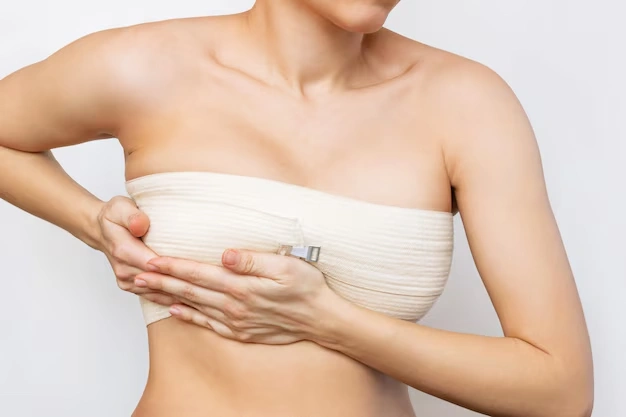
Most patients experience swelling, tightness, and soreness during the first few days. Many return to light activities within a week, while full recovery and exercise restrictions may last several weeks.
Wearing a supportive surgical bra and avoiding heavy lifting are essential during recovery.
Will the Results Look Natural?
Natural-looking results depend on implant selection, placement, and surgical technique. Proper planning ensures that the implants harmonize with your body proportions.
Modern breast augmentation techniques prioritize natural contour and movement.
How Long Do Breast Implants Last?
Breast implants are not lifetime devices. While many last 10–20 years or longer, replacement may be needed due to aging, changes in preference, or complications.
Routine follow-ups help monitor implant condition over time.
Can Breast Augmentation Affect Breastfeeding?
Most women can breastfeed after breast augmentation, especially when implants are placed under the muscle and incisions avoid milk ducts.
Patients planning future pregnancies should discuss this during consultation.
How Should I Prepare for Surgery?
Preparation includes stopping smoking, avoiding certain medications, maintaining stable weight, and arranging post-surgery support. Clear communication with your surgical team ensures smooth preparation.
Why Choose Badge Health?
Badge Health connects patients with experienced, internationally accredited surgeons who prioritize safety, transparency, and personalized care. Every patient receives detailed consultations, implant education, and comprehensive recovery guidance.
Final Thoughts
Asking the right questions before breast augmentation is key to achieving confident, informed decisions. Understanding the procedure, recovery, and long-term considerations empowers patients to move forward with clarity and peace of mind.