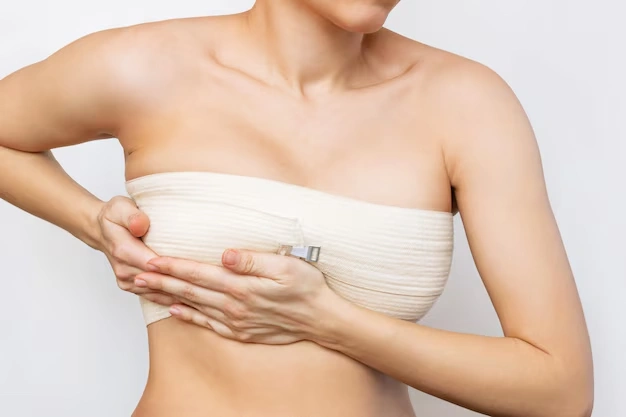



Numbness after breast surgery is a common concern among patients considering procedures such as breast augmentation, breast lift, or reduction. While temporary changes in sensation are normal during healing, understanding how to minimize and manage numbness after breast surgery can significantly improve comfort and long-term satisfaction.
With proper surgical planning, careful recovery, and realistic expectations, most patients experience gradual sensation improvement over time.
Why Does Numbness Occur After Breast Surgery?
Numbness typically occurs when small sensory nerves are stretched, compressed, or temporarily disrupted during surgery. These nerves are responsible for sensation in the breast skin, nipple, and areola.
Swelling and inflammation during recovery can also contribute to reduced sensitivity.
Temporary vs. Permanent Numbness
In most cases, numbness is temporary and improves as nerves heal. Sensation may return gradually over several weeks or months.
Permanent numbness is rare and usually linked to extensive tissue removal or complex surgical cases.
Choose an Experienced Surgeon
One of the most effective ways to reduce the risk of numbness is selecting a highly experienced, board-certified plastic surgeon. Skilled surgeons use refined techniques that minimize nerve disruption while achieving aesthetic goals.
Precise incision placement and careful tissue handling play a key role in nerve preservation.
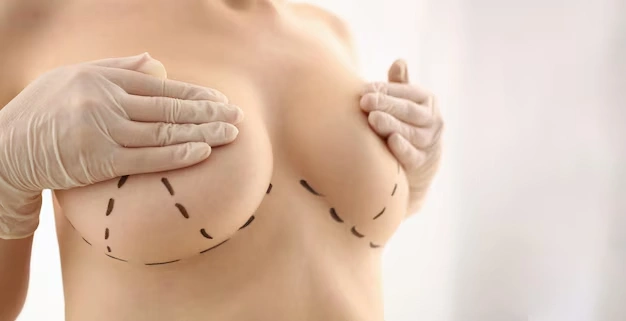
Discuss Surgical Technique and Incision Placement
Different incision locations carry varying risks for sensation changes. During consultation, patients should discuss options such as:
- Inframammary (under the breast fold)
- Periareolar (around the areola)
- Vertical or anchor incisions for lifts
Understanding the benefits and risks of each approach helps guide informed decisions.
Follow Post-Operative Instructions Carefully
Proper aftercare supports nerve healing. Patients should:
- Wear recommended support garments
- Avoid excessive arm and chest movement early on
- Take prescribed medications as directed
- Attend all follow-up appointments
Ignoring recovery guidelines can increase swelling and delay nerve recovery.
Manage Swelling and Inflammation
Swelling places pressure on surrounding nerves, contributing to numbness. Keeping swelling under control through rest, elevation, and approved medications supports faster sensory return.
Be Patient with the Healing Process
Nerves heal slowly. It is normal for sensation to fluctuate, with tingling or sensitivity changes occurring as nerves regenerate.
Most patients notice continued improvement for up to 6 to 12 months after surgery.
Avoid Smoking and Support Nerve Health
Smoking negatively affects blood flow and nerve healing. Avoiding nicotine before and after surgery significantly improves recovery outcomes.
A balanced diet rich in vitamins and hydration also supports nerve regeneration.
Massage and Sensation Awareness (When Approved)
In some cases, gentle massage—when approved by the surgeon—may help stimulate circulation and nerve response. This should only be done under professional guidance.
When to Contact Your Surgeon
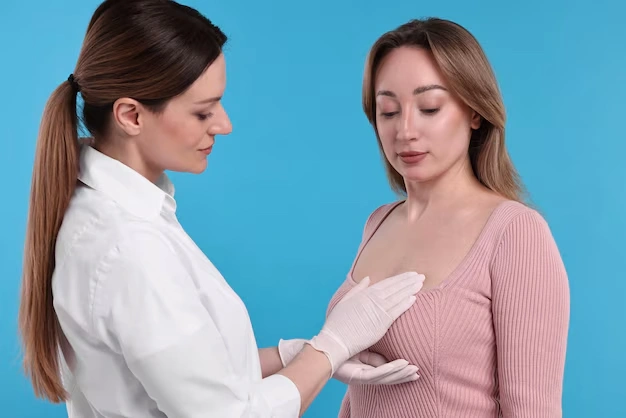
If numbness worsens, persists beyond expected timelines, or is accompanied by pain or asymmetry, patients should consult their surgeon promptly.
Early evaluation helps rule out complications and provides reassurance.
Why Choose Badge Health?
Badge Health collaborates with experienced surgeons who prioritize nerve preservation and patient safety. Comprehensive pre-operative planning and personalized aftercare reduce the risk of long-term sensation issues.
Final Thoughts
Numbness after breast surgery is usually temporary and part of the natural healing process. By choosing an expert surgeon, following recovery guidelines, and allowing time for nerve healing, patients can greatly reduce the risk of lasting sensation changes and enjoy safe, successful results.