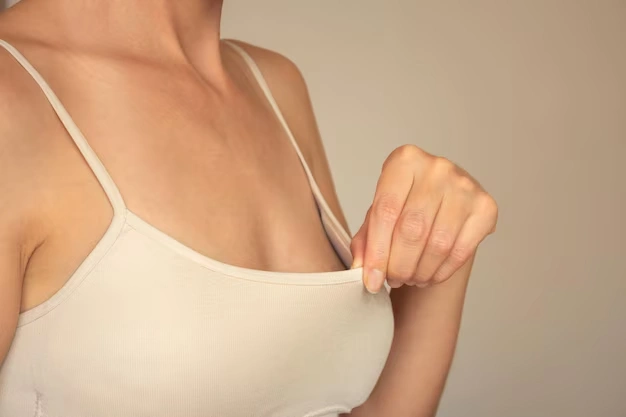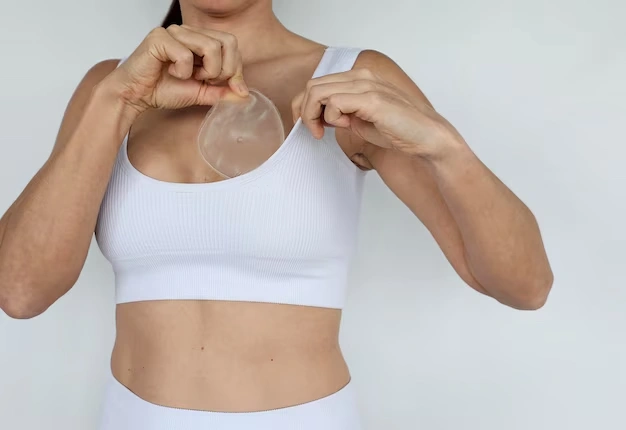


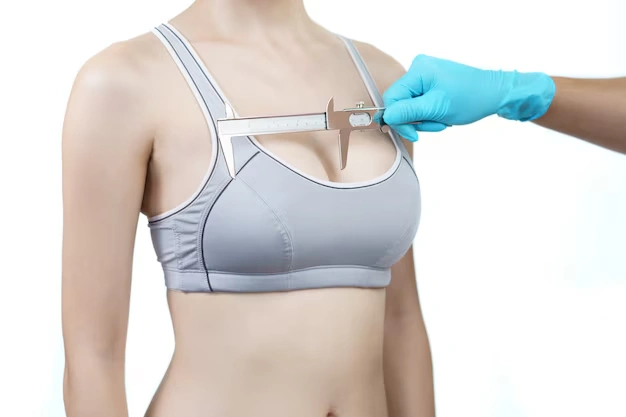
One of the most common early concerns after breast augmentation is the appearance of implants sitting unnaturally high on the chest. While this can be alarming for patients, it is often a temporary part of the healing process. Understanding why implants may appear “too high” and how to prevent long-term positioning issues is key to achieving natural, balanced results.
Why Do Implants Sit High After Surgery?
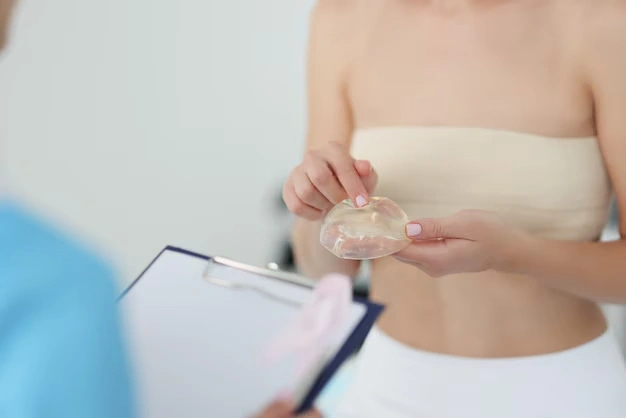
Immediately after surgery, breast implants are placed into a newly created pocket. The surrounding tissues are tight, swollen, and adjusting to the implant’s presence. As a result, implants often sit higher than their final position during the early recovery phase.
Common reasons implants may appear too high include:
- Post-surgical swelling and inflammation
- Tight chest muscles, especially with under-the-muscle placement
- Early healing before the implant pocket relaxes
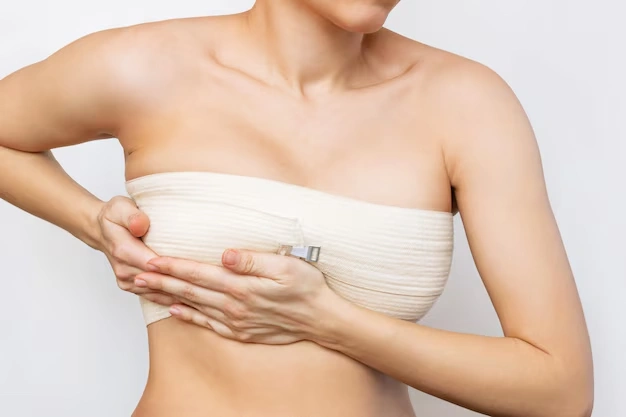
- Use of supportive surgical bras that hold implants in place
What Is Implant “Drop and Fluff”?
As healing progresses, implants gradually settle into a more natural position—a process often referred to as “drop and fluff.” The implant drops lower on the chest as swelling decreases, and the breast tissue relaxes around it, creating a softer, more natural contour.
This process typically takes 6 to 12 weeks, and in some cases, up to several months.
Choosing the Right Implant Size and Type
Oversized implants or very high-profile implants can contribute to a higher resting position, especially in patients with tight skin or limited breast tissue. Selecting implants that suit your body frame, chest width, and skin elasticity is essential.
Softer silicone or cohesive gel implants often settle more naturally over time compared to firmer options.
The Importance of Implant Placement
Implant placement plays a major role in final positioning:
- Submuscular (under the muscle): Implants may initially sit higher but often settle naturally with time
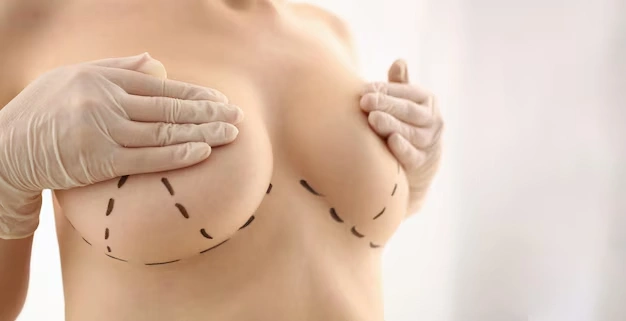
- Dual-plane placement: Helps balance upper pole support with natural lower breast fullness
An experienced surgeon tailors the placement technique to minimize long-term positioning issues.
Follow Post-Operative Instructions Carefully
Proper recovery care significantly influences implant settling. Patients should:
- Wear the recommended surgical bra or support garment
- Avoid underwire bras until approved
- Follow activity restrictions to prevent muscle tension
- Perform implant massage only if advised by the surgeon
When to Be Concerned
If implants remain excessively high after several months, it may indicate capsular contracture, an improperly sized pocket, or muscle-related issues. In such cases, a follow-up evaluation is necessary.
Can Revision Surgery Fix High Implants?
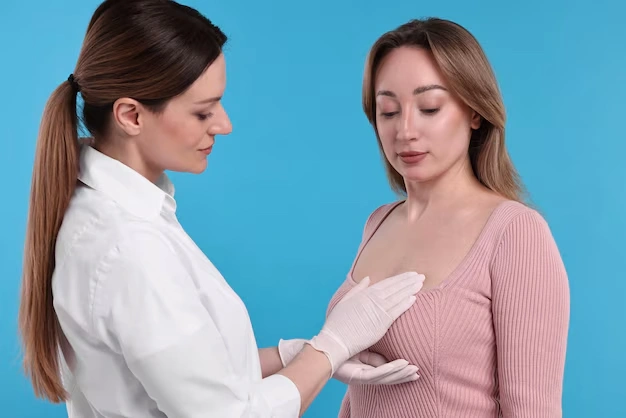
Yes, breast revision surgery can reposition implants by adjusting the implant pocket or changing implant size or placement. However, revision is usually considered only after the body has fully healed.
Why Choose Badge Health?
Badge Health collaborates with expert surgeons who prioritize proper planning, precise technique, and thorough aftercare. Patients receive realistic guidance on healing timelines and are supported throughout the implant settling process to achieve natural, confident results.
Final Thoughts
Implants sitting too high immediately after surgery are often part of normal healing. With patience, proper care, and expert surgical planning, implants typically settle into a natural position. Trusting the process and maintaining open communication with your surgeon are key to long-term satisfaction.