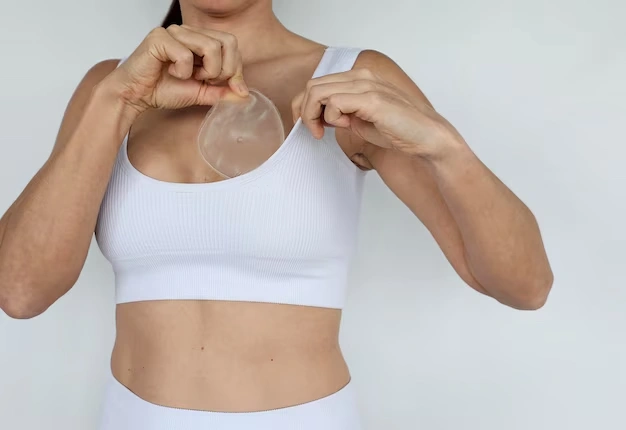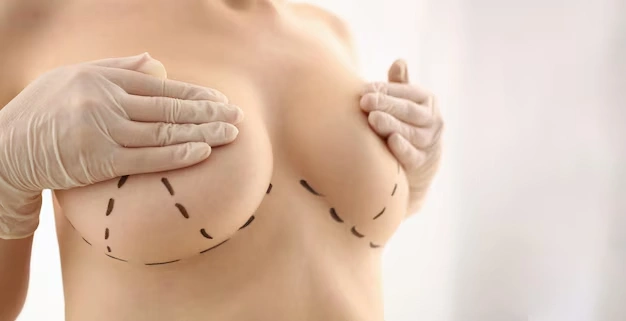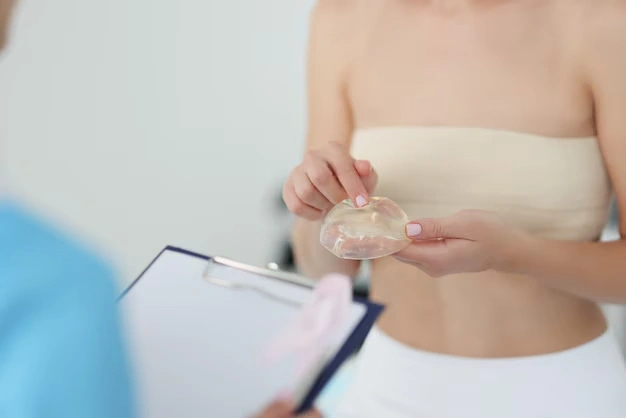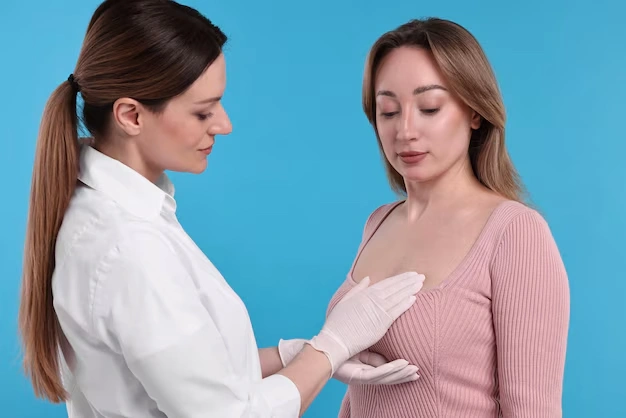


Sagging breast implants or a condition known as bottoming out can be frustrating for patients who previously enjoyed balanced, youthful results. Over time, implants may shift downward, stretch the lower breast tissue, and disrupt the natural breast shape. Fortunately, modern breast revision techniques offer reliable solutions to restore proper implant position and aesthetics.
What Is Bottoming Out?
Bottoming out occurs when a breast implant descends too low on the chest, causing the nipple to appear too high relative to the breast mound. This creates an unnatural look where the lower portion of the breast appears overly full while the upper breast loses volume.
This issue can affect one or both breasts and may develop months or years after surgery.
Common Causes of Sagging Implants
Several factors can contribute to implant sagging or bottoming out:
- Weak or stretched breast tissue
- Large or heavy implants
- Improper implant placement
- Over-dissection of the implant pocket
- Natural aging and gravity
- Pregnancy or significant weight fluctuations
Understanding the cause is essential for selecting the correct revision strategy.
Signs That Implant Correction Is Needed
Patients may notice several warning signs indicating implant displacement:
- Nipples sitting unusually high on the breast
- Excessive fullness at the bottom of the breast
- Loss of upper pole fullness
- Visible implant edges
- Asymmetry between breasts
If these changes worsen over time, surgical correction may be necessary.
Surgical Options to Correct Bottoming Out
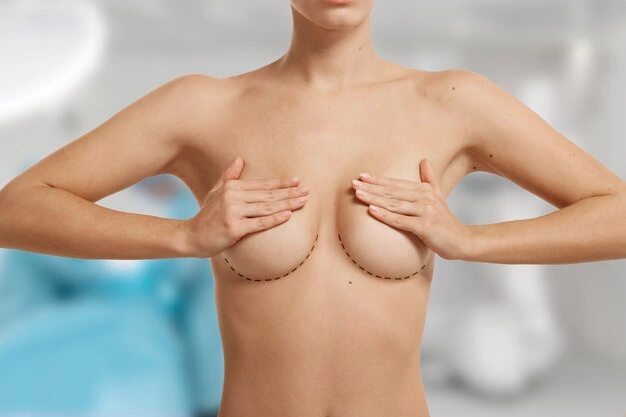
Breast revision surgery is the most effective solution for correcting sagging implants. Treatment options may include:
- Capsulorrhaphy: Tightening the implant pocket to reposition the implant
- Implant Exchange: Switching to a smaller or lighter implant
- Implant Pocket Change: Moving the implant from over the muscle to under the muscle
- Internal Bra Support: Using mesh or sutures for added structural support
- Breast Lift: Removing excess skin and elevating breast tissue
Often, a combination of techniques is used for optimal results.
Can a Breast Lift Help?
When sagging skin contributes to the problem, a breast lift may be necessary. A lift restores nipple position, tightens the skin envelope, and enhances overall breast shape while securing the implant in its corrected position.
This approach provides more durable and natural-looking results.
Recovery After Implant Revision
Recovery following corrective surgery varies depending on the complexity of the procedure. Most patients can expect:
- Initial swelling and tightness
- Limited arm movement for several weeks
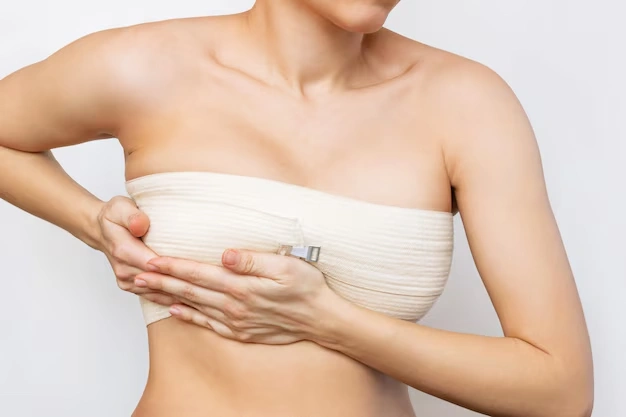
- Use of a supportive surgical bra
- Gradual return to daily activities
Following post-operative instructions is crucial to prevent recurrence.
How to Prevent Future Implant Sagging
While aging is unavoidable, certain measures help maintain long-term results:
- Choosing an appropriate implant size
- Wearing supportive bras
- Avoiding significant weight changes
- Following surgeon-recommended activity restrictions
Why Choose Badge Health?
Badge Health collaborates with highly experienced surgeons specializing in breast revision surgery. Each treatment plan is tailored to the patient’s anatomy, implant history, and aesthetic goals to ensure stable, natural, and long-lasting outcomes.
Final Thoughts
Sagging implants or bottoming out can compromise both appearance and confidence, but they are highly correctable with modern surgical techniques. A personalized revision plan guided by an experienced surgeon can restore balance, support, and satisfaction.