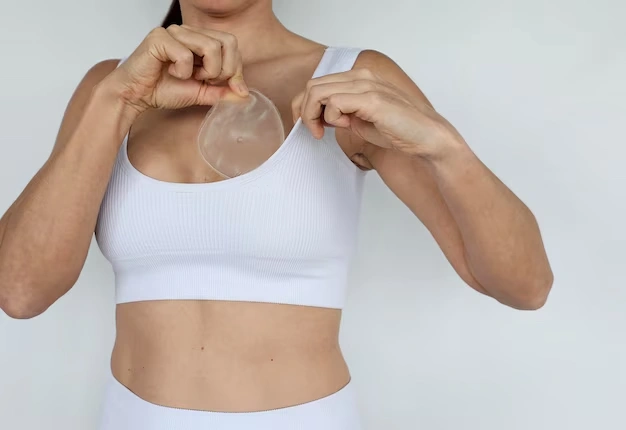



Sleeping comfortably after breast surgery can be challenging, especially during the first few weeks of recovery. Whether you’ve had breast augmentation, a breast lift, reduction, or a combined procedure, proper sleep habits are essential for healing, comfort, and protecting your surgical results. Understanding how to sleep after breast surgery can significantly improve your recovery experience.
Why Sleep Position Matters After Breast Surgery
After breast surgery, tissues are healing and swelling is present. Incorrect sleep positions can place pressure on incisions, disrupt implant placement, or increase discomfort. Proper positioning reduces strain on the chest, improves circulation, and helps minimize swelling.
The Best Sleeping Position: On Your Back
Most surgeons recommend sleeping on your back during the early recovery period. This position keeps pressure off the breasts and helps maintain proper alignment.
Elevating your upper body slightly—using pillows or an adjustable bed—can further reduce swelling and improve comfort.
How to Use Pillows for Support
Pillows are your best ally during recovery. Strategic placement can prevent accidental rolling and support your body:
- Place pillows under your arms to reduce tension on the chest
- Use a wedge pillow to elevate your upper body
- Position pillows along your sides to prevent turning
Many patients find that a recliner or adjustable bed is helpful during the first week.
When Can You Sleep on Your Side or Stomach?
Side sleeping is usually permitted after several weeks, once swelling decreases and healing progresses. However, stomach sleeping should be avoided for a longer period, as it places direct pressure on the breasts.
Always follow your surgeon’s specific guidance, as timelines vary depending on the procedure.
Wear Your Surgical Bra to Bed
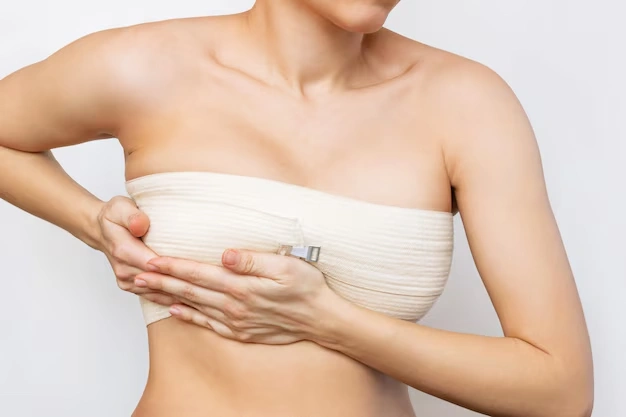
Wearing a surgical or compression bra while sleeping provides essential support and helps maintain breast shape. These bras reduce movement, swelling, and discomfort during the night.
Avoid underwire bras until your surgeon confirms it is safe.
Create a Comfortable Sleep Environment
Optimizing your sleep environment can improve rest and recovery:
- Keep your bedroom cool to reduce swelling
- Use soft, breathable bedding
- Limit caffeine before bedtime
- Establish a calming nighttime routine
Managing Pain and Discomfort at Night
Mild discomfort is normal after surgery. Taking prescribed pain medication or recommended over-the-counter options before bed can help you rest more easily.
Avoid sleeping aids unless approved by your surgeon.
Common Sleep Mistakes to Avoid
- Sleeping flat without elevation too early
- Rolling onto your side or stomach prematurely
- Removing your support bra at night
- Ignoring persistent pain or discomfort
Listening to your body and following instructions helps prevent setbacks.
How Long Does Sleep Disruption Last?
Most patients experience improved sleep within 1–2 weeks as swelling and soreness decrease. Full comfort usually returns gradually over the first month.
Patience during this phase is key.
Why Choose Badge Health?
Badge Health ensures patients receive comprehensive aftercare guidance from experienced plastic surgeons and accredited clinics in Turkey. From surgery to recovery support, Badge Health prioritizes comfort, safety, and long-term results.
Final Thoughts
Learning how to sleep comfortably after breast surgery is an important part of recovery. With the right position, proper support, and healthy sleep habits, you can protect your results, reduce discomfort, and heal more efficiently—allowing you to enjoy the full benefits of your surgery.