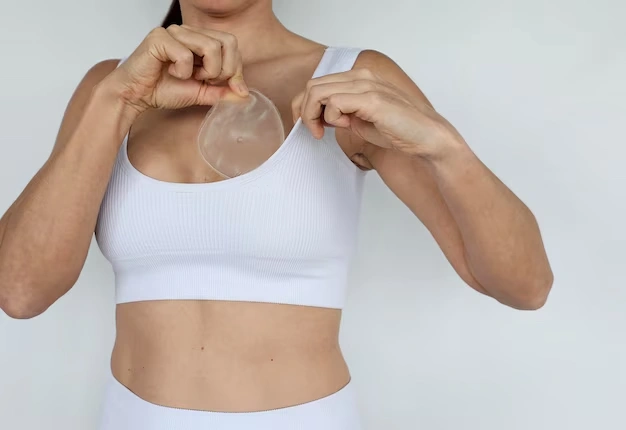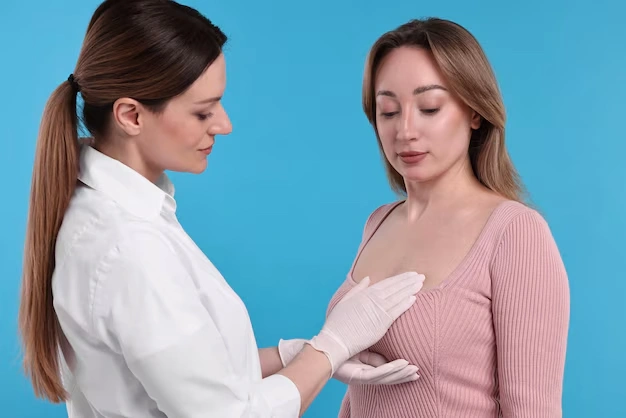



Capsular contracture is one of the most discussed complications following breast implant surgery. While it is not always preventable, early detection plays a crucial role in managing the condition effectively. Understanding the early signs of capsular contracture allows patients to seek timely medical advice and avoid progression to more severe stages.
What Is Capsular Contracture?
Capsular contracture occurs when the natural scar tissue that forms around a breast implant tightens excessively. The body naturally creates a capsule of tissue around any foreign object, including implants. When this capsule becomes unusually firm or contracts, it can distort the shape of the breast and cause discomfort.
This condition can develop months or even years after surgery.
Why Early Detection Matters
In its early stages, capsular contracture may be mild and manageable without surgery. However, if left untreated, it can progress, leading to pain, visible deformity, and the need for corrective procedures.
Recognizing subtle changes early gives patients more treatment options and better long-term outcomes.
Early Signs of Capsular Contracture
The earliest symptoms are often subtle and may be mistaken for normal post-operative changes. Common early warning signs include:
- Increasing firmness in one or both breasts
- Breasts feeling tighter than usual
- Changes in breast shape or symmetry
- Mild discomfort or pressure
- Implant sitting higher than before
These symptoms may develop gradually rather than suddenly.
Changes in Breast Texture
One of the earliest indicators is a noticeable change in texture. The breast may feel less soft and natural, even when relaxed. This firmness may be more apparent when lying down or during movement.
Visual Differences to Watch For
As the capsule tightens, subtle visual changes can occur. The breast may appear rounder, higher, or slightly misshapen compared to its original post-surgery appearance.
Comparing both breasts regularly can help identify asymmetry early.
Understanding the Stages of Capsular Contracture
Capsular contracture is commonly classified into stages based on severity:
- Stage I: Breast looks and feels normal
- Stage II: Slight firmness, minimal symptoms
- Stage III: Noticeable firmness and shape distortion
- Stage IV: Painful, hard, and visibly distorted breast
Early signs typically fall within Stage II.
Risk Factors That May Increase Your Chances
Several factors may increase the likelihood of developing capsular contracture:
- Post-surgical infection
- Implant rupture or leakage
- Hematoma or fluid accumulation
- Smoking
- Previous breast surgeries
When to Contact Your Surgeon
If you notice persistent firmness, discomfort, or visible changes in breast shape, it is important to consult your surgeon promptly. Early evaluation can rule out other issues and confirm whether capsular contracture is developing.
How Early Capsular Contracture Is Treated
In early stages, treatment options may include:
- Medication or anti-inflammatory therapy
- Massage techniques (when advised by a surgeon)
- Close monitoring and follow-up
Advanced cases may require surgical intervention.
Why Choose Badge Health?
Badge Health works with experienced surgeons who emphasize patient education, early diagnosis, and proactive aftercare. Patients receive ongoing support to identify and manage potential implant-related concerns safely.
Final Thoughts
Capsular contracture does not always develop suddenly. By learning to spot the early signs, patients can take control of their breast health and protect their surgical results. Regular self-awareness and professional follow-up are key to maintaining long-term implant safety and satisfaction.