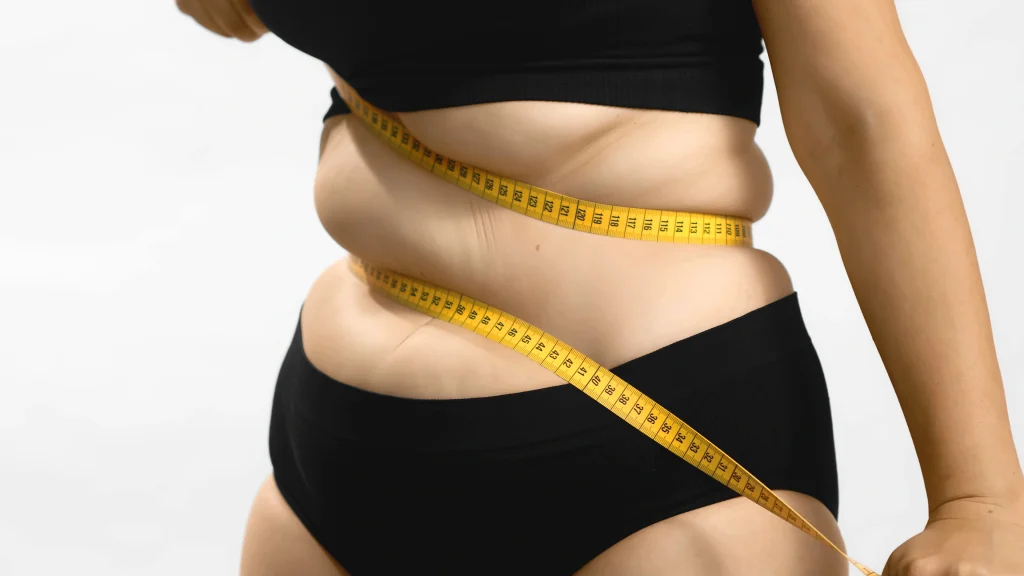


Gastric sleeve surgery is a powerful tool for long-term weight loss, but the real transformation begins after the operation. Understanding life after gastric sleeve helps patients adapt to new habits, recover safely, and achieve sustainable results.
At Badge Health, patients receive structured guidance on diet, exercise, and recovery to ensure a smooth transition into a healthier lifestyle.
The First Weeks After Gastric Sleeve Surgery
The initial recovery period typically lasts 2–4 weeks. During this time, patients may experience mild discomfort, fatigue, and changes in appetite. These symptoms are normal and improve as the body heals.
Walking is encouraged within the first 24 hours to promote circulation and reduce the risk of complications. Most patients return to daily activities within 1–2 weeks.
Diet After Gastric Sleeve Surgery
Diet plays a crucial role in long-term success. After surgery, the stomach needs time to heal, which is why nutrition progresses through specific stages.
Stage 1: Liquid Diet
During the first days after surgery, patients consume clear liquids such as water, broth, and sugar-free drinks. This prevents stress on the stomach.
Stage 2: Protein Liquids
Protein shakes and smooth soups are introduced to support healing and preserve muscle mass.
Stage 3: Pureed and Soft Foods
Soft, blended foods are added gradually, focusing on lean protein sources.
Stage 4: Solid Foods
Patients slowly return to solid foods in small portions, prioritizing protein, vegetables, and healthy fats.
Hydration, mindful eating, and avoiding high-sugar or processed foods are essential components of life after gastric sleeve surgery.
Exercise After Gastric Sleeve Surgery
Physical activity enhances weight loss, improves energy levels, and supports overall health. Exercise begins gradually after surgery.
- First 2 weeks: Light walking
- Weeks 3–4: Low-impact activities
- After 6 weeks: Strength training and cardio
Consistency is more important than intensity. Patients who build sustainable exercise habits experience better long-term outcomes.
Recovery Timeline and Expectations
Recovery varies by individual, but most patients feel significantly better within one month. Weight loss is most rapid during the first 6 months, followed by a gradual stabilization phase.
Regular follow-up appointments help monitor progress, nutritional status, and overall health.
Emotional and Lifestyle Changes
Life after gastric sleeve involves emotional adjustments as well as physical changes. Many patients experience increased confidence and mobility, but may also face emotional challenges related to changing eating habits.
Support from healthcare professionals, family, and support groups can make a meaningful difference.
Long-Term Success Tips
- Eat slowly and stop when full
- Prioritize protein at every meal
- Stay hydrated throughout the day
- Maintain regular physical activity
- Attend follow-up appointments
Why Choose Badge Health?
Badge Health offers comprehensive bariatric care with experienced surgeons, advanced facilities, and continuous post-operative support. Our team ensures patients feel confident and supported throughout every stage of recovery.
Final Thoughts
Understanding life after gastric sleeve empowers patients to embrace lasting lifestyle changes. With the right diet, exercise routine, and professional guidance, gastric sleeve surgery can lead to long-term weight loss and improved quality of life.
Contact Badge Health today to learn more about life after gastric sleeve surgery and start your transformation journey with confidence.