


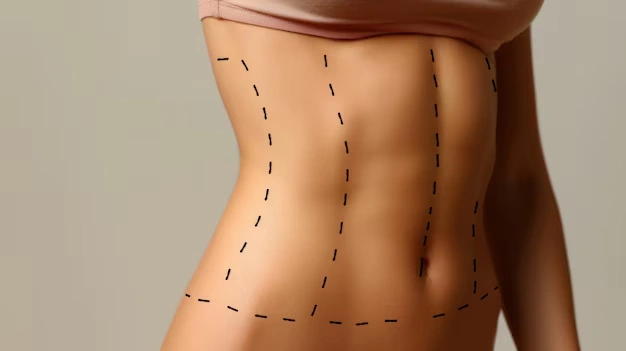
A tummy tuck, also known as abdominoplasty, is a transformative body contouring procedure designed to remove excess skin
and tighten the abdominal muscles. While the surgical technique plays a major role in achieving optimal results, the
recovery phase is equally important. Understanding the tummy tuck recovery process helps patients prepare
physically and mentally for healing.
Recovery experiences vary depending on the extent of the procedure, overall health, and adherence to post-operative
guidelines. This guide outlines what patients can typically expect during each stage of recovery.
Immediate Recovery After Surgery
The first few days following a tummy tuck are usually the most challenging. Swelling, bruising, and discomfort are
common during this period as the body begins healing. Patients often experience a tight sensation in the abdomen due to
muscle repair and skin repositioning.
Pain management protocols and limited movement help support comfort and reduce strain on the incision area.
The First Week of Tummy Tuck Recovery
During the first week, rest is essential. Patients are typically advised to walk slightly bent forward to minimize
tension on the incision. Drainage tubes, if used, help prevent fluid buildup and are usually removed within the first
one to two weeks.
Wearing compression garments supports healing, controls swelling, and helps the abdomen adapt to its new contour.
Weeks Two to Four: Gradual Improvement
By the second week, many patients notice reduced swelling and improved mobility. Light activities may be resumed, but
strenuous movements and heavy lifting should still be avoided.
Energy levels gradually return, and discomfort typically decreases significantly during this stage of recovery.
Managing Swelling and Bruising
Swelling is a normal part of tummy tuck recovery and can persist for several weeks or even months. Bruising fades
gradually as circulation improves and tissues heal.
Consistent use of compression garments and proper hydration contribute to smoother recovery and improved comfort.
Scar Healing and Skin Sensation
Incision scars continue to mature over time. Initially, scars may appear firm or raised, but they gradually soften and
fade. Temporary numbness or altered sensation around the incision area is common and often resolves over time.
Proper wound care and patience are key factors in achieving optimal scar appearance.
Returning to Work and Daily Activities
Most patients can return to desk-based work within two to three weeks, depending on comfort levels. Jobs requiring
physical effort may require a longer recovery period.
Listening to the body and gradually increasing activity helps prevent complications and supports long-term results.
Exercise and Physical Activity Timeline
Light walking is encouraged early in recovery to promote circulation. More intensive exercise routines are usually
reintroduced after six to eight weeks, once healing is well underway.
Core-strengthening exercises should be resumed cautiously and only after sufficient healing of the abdominal muscles.
Nutrition and Hydration During Recovery
A balanced diet rich in protein, vitamins, and minerals supports tissue repair and immune function. Proper nutrition
helps reduce inflammation and accelerates healing.
Staying hydrated aids circulation and supports overall recovery.
Emotional Well-Being During Recovery
It is normal to experience emotional fluctuations during tummy tuck recovery. Temporary swelling and limited mobility
can affect how results appear in the early stages.
Understanding that final results take time helps patients maintain realistic expectations and emotional balance.
Long-Term Recovery and Final Results
While many improvements are visible within a few months, full tummy tuck results may take up to a year to fully develop.
As swelling resolves and tissues settle, the abdomen appears flatter, firmer, and more defined.
Tummy tuck recovery is a gradual process that rewards patience and consistent care. By following post-operative
guidelines and allowing the body adequate time to heal, patients can enjoy long-lasting and satisfying outcomes.