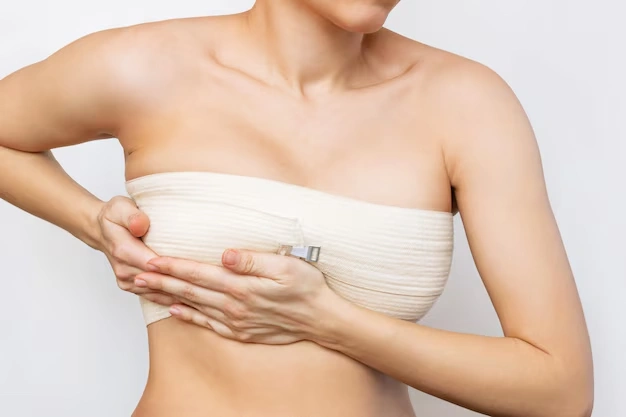



Breast augmentation continues to evolve as technology, medical research, and patient expectations advance. In 2026, the future of breast implants is defined by improved safety, more natural results, and highly personalized treatment plans. Today’s innovations focus not only on appearance but also on long-term health, comfort, and predictability.
Smarter Implant Materials
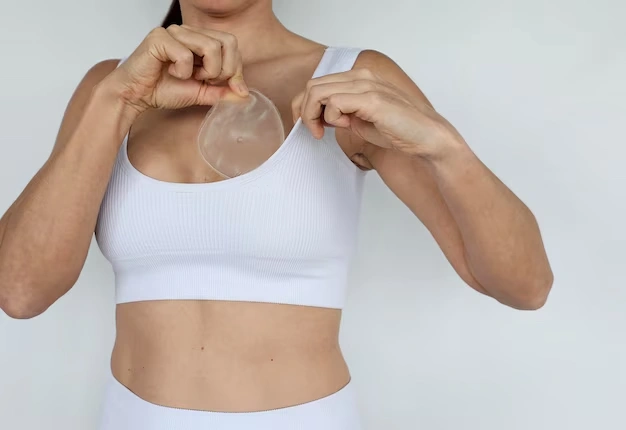
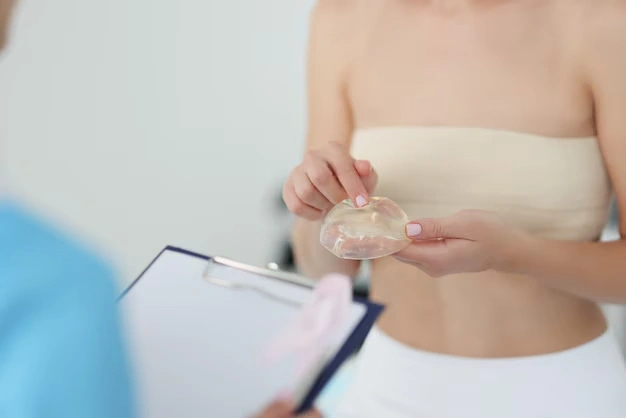
One of the most important developments in breast implant technology is the refinement of implant materials. Modern silicone gels are more cohesive than ever, allowing implants to maintain shape while feeling softer and more natural.
These advanced gels reduce the risk of leakage and deformation, offering patients greater peace of mind and improved longevity.
Enhanced Implant Shell Technology
In 2026, implant shells are designed with enhanced durability and flexibility. New surface technologies aim to minimize complications such as capsular contracture while allowing implants to integrate more naturally with surrounding tissue.
Textured and micro-textured surfaces are being refined to balance stability with safety, while smooth implants continue to evolve for patients seeking softer movement.
Personalized Breast Augmentation Planning
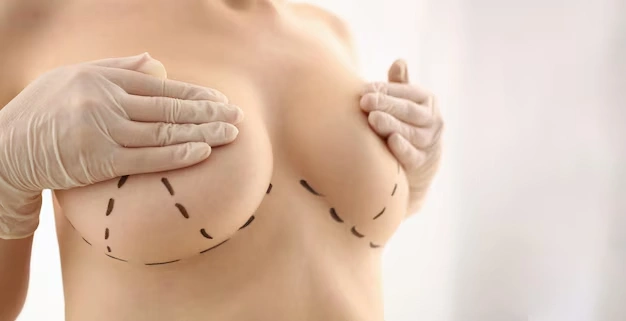
The future of breast augmentation is highly personalized. Advanced imaging and digital planning tools allow surgeons to tailor implant size, shape, and placement to each patient’s anatomy.
Patients can now visualize potential outcomes more accurately before surgery, helping set realistic expectations and improve satisfaction.
Focus on Natural-Looking Results
Modern breast augmentation trends favor subtle enhancement over dramatic changes. In 2026, the emphasis is on:
- Balanced proportions
- Soft transitions in the upper breast
- Implants that complement body structure
- Long-term aesthetic stability
Surgeons increasingly prioritize techniques that preserve natural movement and feel.
Long-Term Safety and Monitoring
Patient safety remains a top priority. Advances in post-surgical monitoring and follow-up protocols help detect changes early and support implant longevity.
Routine imaging, patient education, and improved implant tracking systems contribute to safer long-term outcomes.
Hybrid and Fat Transfer Techniques
Another growing trend is the combination of implants with fat transfer. This hybrid approach softens implant edges and enhances natural contours, particularly in patients with minimal breast tissue.
Fat transfer also plays a role in refining results years after initial surgery.
Minimally Invasive Surgical Techniques
Surgical techniques in 2026 emphasize precision and reduced trauma. Smaller incisions, refined pocket creation, and advanced surgical tools contribute to:
- Shorter recovery times
- Reduced scarring
- Improved symmetry
- More predictable outcomes
Sustainability and Ethical Manufacturing
As patients become more informed, implant manufacturers are also focusing on sustainability and ethical production. Transparency in materials and manufacturing processes is becoming an important factor in patient decision-making.
Why Turkey Leads Innovation Adoption
Turkey remains at the forefront of adopting modern breast implant technologies. Surgeons are often trained internationally and work in high-volume, accredited clinics that integrate the latest advancements quickly and safely.
Why Choose Badge Health?
Badge Health partners with forward-thinking clinics and experienced plastic surgeons who embrace innovation while maintaining strict safety standards. Patients benefit from cutting-edge technology, personalized care, and transparent treatment plans designed for long-term success.
Final Thoughts
The future of breast implants in 2026 is defined by smarter materials, enhanced safety, and individualized care. With continued innovation and expert surgical planning, breast augmentation is becoming safer, more natural, and more aligned with patient lifestyles than ever before.