


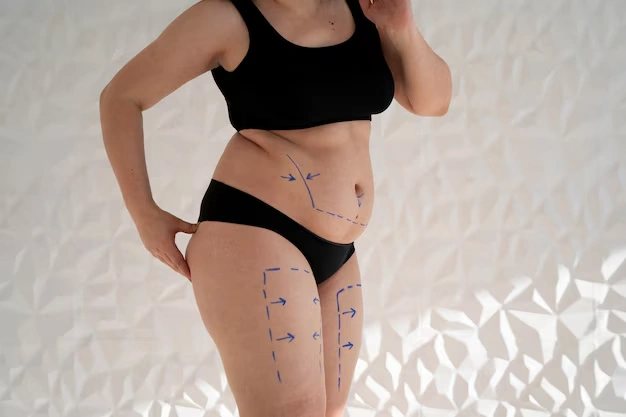
Modern body contouring has evolved beyond simply removing unwanted fat. Today, one of the most popular approaches is
combining liposuction and fat transfer, a technique that removes fat from problem areas and strategically
reuses it to enhance other parts of the body. While this combination offers impressive aesthetic benefits, it also comes
with important considerations.
What Does Combining Liposuction and Fat Transfer Mean?
This approach involves two procedures performed together:
- Liposuction to remove excess fat from areas like the abdomen, waist, thighs, or back
- Fat transfer (fat grafting) to inject purified fat into areas such as the buttocks, hips, or breasts
Instead of discarding the removed fat, it is repurposed to sculpt and enhance natural contours.
The Pros of Combining Liposuction and Fat Transfer
1. Dual Body Contouring in One Procedure
Patients benefit from slimming one area while enhancing another, achieving balanced and harmonious proportions in a single
surgical plan.
2. Natural-Looking Results
Because the procedure uses your own fat, results tend to look and feel more natural compared to synthetic implants.
3. No Foreign Materials
Fat transfer eliminates the need for implants, reducing concerns related to implant rejection or long-term maintenance.
4. Improved Body Proportions
This technique allows surgeons to sculpt an hourglass or athletic silhouette by redistributing fat where it enhances the
overall shape.
5. Cost and Recovery Efficiency
Combining procedures often means one anesthesia session, one recovery period, and a more efficient overall treatment plan.
The Cons of Combining Liposuction and Fat Transfer
1. Fat Survival Is Not Guaranteed
Not all transferred fat survives long-term. Some reabsorption is normal, and final volume may take months to stabilize.
2. Longer Surgery Time
Performing two procedures together increases surgical duration, which requires careful planning and experienced surgical
teams.
3. Extended Recovery Considerations
Patients must protect both donor and recipient areas during recovery, which may limit movement and sitting positions.
4. Not Suitable for Everyone
Very lean patients may not have enough fat for transfer, making this approach unsuitable without alternative options.
5. Surgeon Skill Is Critical
Successful fat transfer depends heavily on technique, purification methods, and precise placement.
Who Is an Ideal Candidate?
You may be a good candidate if you:
- Have localized fat deposits suitable for liposuction
- Desire natural enhancement rather than implants
- Maintain stable body weight
- Are in good overall health
A personalized surgical assessment is essential to determine whether this combination is appropriate.
Why Expertise and Planning Matter
Clinics experienced in advanced body contouring focus on:
- Preserving fat cell viability
- Safe injection techniques
- Balanced aesthetic planning
- Comprehensive aftercare support
This level of expertise significantly improves safety and long-term satisfaction.
Is Combining Procedures Worth It?
For the right candidate, combining liposuction and fat transfer can deliver dramatic yet natural results. The key lies in
proper patient selection, realistic expectations, and choosing a clinic that prioritizes safety, precision, and long-term
outcomes.
Patients seeking refined contours, natural enhancement, and efficient treatment often find this approach to be a powerful
solution when performed by skilled professionals.
Final Thoughts
Understanding the pros and cons of combining liposuction and fat transfer helps you make an informed decision about your body
transformation. With expert guidance, modern techniques, and personalized planning, this dual approach can create balanced,
long-lasting results that enhance confidence and overall body harmony.