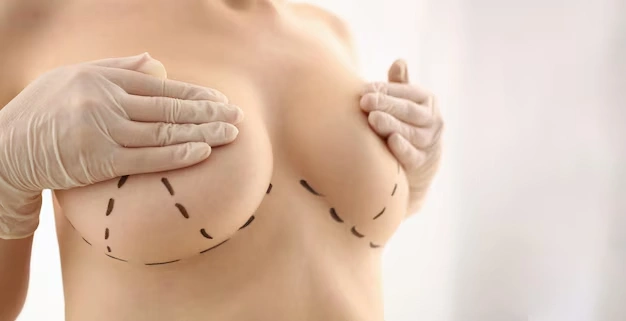


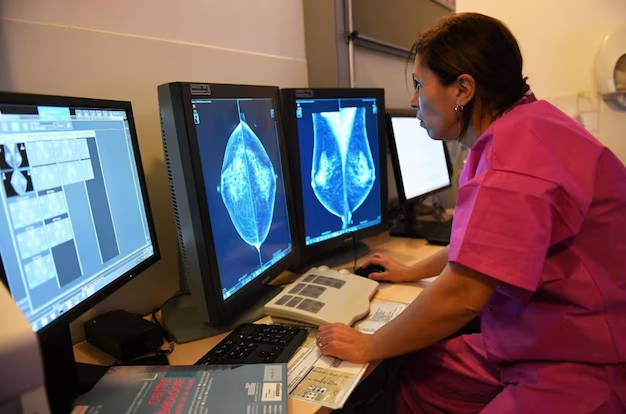
Modern cosmetic surgery has been transformed by advanced technology, and 3D imaging is one of the most powerful tools available in breast augmentation planning. By allowing patients and surgeons to visualize potential outcomes before surgery, 3D imaging enhances precision, communication, and overall satisfaction. This technology has become an essential part of personalized breast augmentation.
What Is 3D Imaging in Breast Augmentation?
3D imaging systems use high-resolution cameras and specialized software to create a three-dimensional digital model of the patient’s body. This model can be manipulated to simulate different implant sizes, shapes, and placements, offering a realistic preview of possible results.
Unlike traditional consultations that rely on measurements and verbal explanations alone, 3D imaging provides a visual and interactive experience.
How 3D Imaging Improves Surgical Planning
Accurate planning is crucial for natural-looking results. 3D imaging helps surgeons:
- Assess chest wall anatomy and breast symmetry
- Evaluate skin elasticity and tissue volume
- Select optimal implant size, shape, and projection
- Determine the most suitable implant placement
This data-driven approach reduces guesswork and improves surgical precision.
Enhanced Patient-Surgeon Communication
One of the biggest benefits of 3D imaging is improved communication. Patients can see how different implant options affect their appearance, making it easier to express preferences and align expectations.
This shared visual reference reduces misunderstandings and helps ensure that the final result matches the patient’s goals.
Realistic Expectations and Increased Confidence
While 3D simulations are not exact predictions, they provide a realistic approximation of outcomes. This helps patients develop reasonable expectations and feel more confident about their decisions.
Patients who understand what to expect are often more satisfied with their results.
Implant Selection Made Easier
Choosing implant size is one of the most challenging decisions for patients. With 3D imaging, patients can compare:
- Small vs. large implant volumes
- Round vs. anatomical shapes
- Different projections and profiles
This visual comparison simplifies decision-making and minimizes the risk of choosing an implant that feels too large or too subtle.
Improving Symmetry and Customization
For patients with breast asymmetry, 3D imaging allows surgeons to plan different implant sizes or adjustments for each breast. This customization helps achieve better balance and natural symmetry.
Reducing Revision Surgery Risk
When patients have a clearer understanding of expected results, dissatisfaction and revision rates decrease. While no technology can eliminate the need for revisions entirely, 3D imaging significantly lowers the risk by improving planning accuracy.
Limitations of 3D Imaging
It is important to understand that 3D simulations are visual tools, not guarantees. Factors such as healing response, tissue behavior, and gravity influence final results. A skilled surgeon’s expertise remains essential.
Why Choose Badge Health?
Badge Health works with advanced clinics in Turkey that utilize state-of-the-art 3D imaging technology as part of their breast augmentation consultations. Combined with experienced surgeons and personalized care, this approach ensures safe, informed, and satisfying outcomes.
Final Thoughts
3D imaging plays a crucial role in modern breast augmentation planning by enhancing visualization, communication, and surgical precision. When used alongside expert surgical judgment, it empowers patients to make confident decisions and achieve natural, personalized results.