

The idea of “scarless” breast augmentation is highly appealing to many patients considering cosmetic breast surgery. Marketing terms and online claims often suggest that breast implants can be placed without leaving any scars at all. But how accurate is this promise?
Understanding what “scarless” really means—and what it does not—helps patients make informed decisions and set realistic expectations.
Is Truly Scarless Breast Augmentation Possible?
In short, no surgical breast augmentation can be completely scar-free. Any procedure that involves inserting an implant requires an incision. However, modern techniques allow surgeons to place incisions in discreet locations and minimize their visibility over time.
The term “scarless” is typically used to describe procedures where scars are small, well-hidden, and fade significantly.
Where Are Breast Augmentation Incisions Placed?
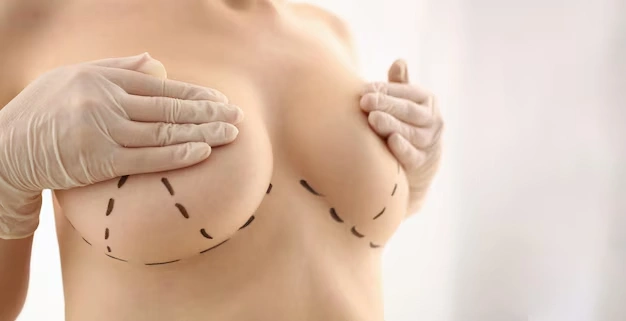
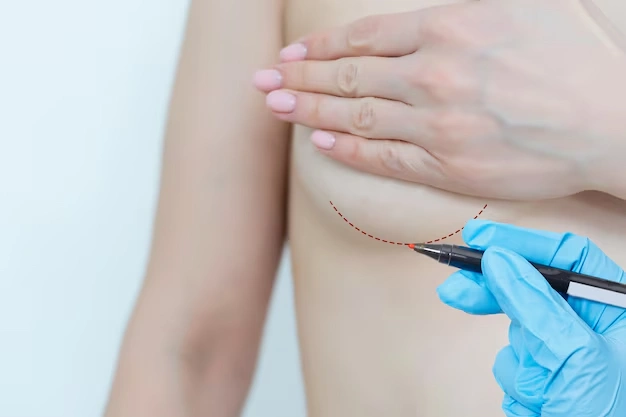
Surgeons choose incision locations carefully to balance safety, precision, and cosmetic outcome. Common incision options include:
- Inframammary: Along the breast fold
- Periareolar: Around the edge of the areola
- Transaxillary: Inside the armpit
Each approach leaves a small scar, but most become barely noticeable with proper healing.
Why Some Techniques Are Called “Scarless”
Minimally invasive methods, advanced surgical tools, and refined suturing techniques allow surgeons to create smaller incisions than in the past. When scars are hidden in natural creases or color transitions, they may be difficult to detect.
This has led to the popular—but misleading—term “scarless.”
Fat Transfer vs. Implant-Based Augmentation
Fat transfer breast augmentation is sometimes promoted as a scarless alternative. While it avoids large incisions, it still requires small entry points for fat injection and liposuction.
These puncture marks are minimal, but they are not entirely absent.
Factors That Influence Scar Visibility
Scar appearance varies from person to person. Several factors influence how noticeable scars become:
- Skin type and genetic healing tendencies
- Incision placement and technique
- Post-operative care and scar management
- Sun exposure during healing
How Scars Heal Over Time
Immediately after surgery, scars may appear red or raised. Over the following months, they typically flatten and fade. For most patients, scars are significantly less visible within 6 to 12 months.
Patience and proper aftercare are key components of scar improvement.
Scar Minimization Strategies
While scars cannot be eliminated entirely, their appearance can be reduced through:
- Silicone-based scar treatments
- Sun protection
- Healthy lifestyle habits
- Professional follow-up care
Why Honest Consultation Matters
Ethical surgeons explain that scars are a normal part of breast augmentation. Transparency during consultation ensures patients understand realistic outcomes and are satisfied with their results.
Why Choose Badge Health?
Badge Health partners with expert surgeons who prioritize natural-looking results and responsible patient education. Patients receive honest consultations, advanced surgical techniques, and personalized scar management guidance.
Final Thoughts
“Scarless” breast augmentation is a marketing phrase rather than a medical reality. While modern surgery minimizes scarring and hides it effectively, patients should expect some form of scar. With expert care and proper healing, these scars often become subtle reminders of a positive transformation.