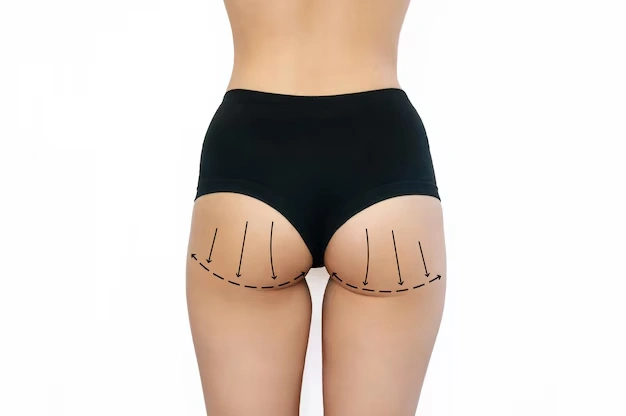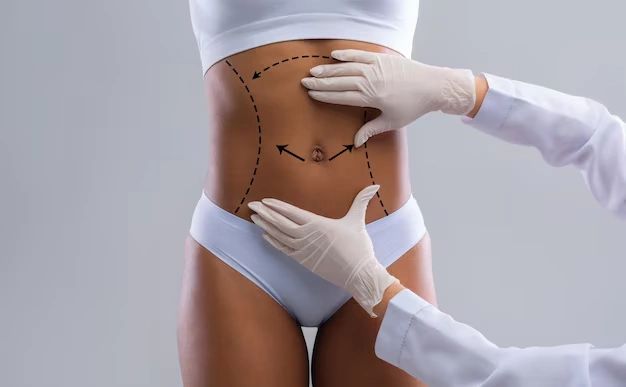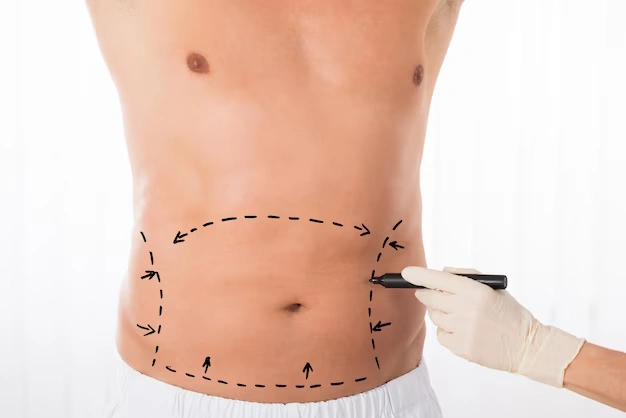



Loose, sagging skin in the thigh area is a common concern for individuals who have experienced significant weight loss
or age-related changes. While exercise improves muscle tone, it cannot fully correct excess skin. In such cases,
thigh lift surgery offers a definitive solution by reshaping and tightening the thighs for improved
comfort and appearance.
However, the success of this procedure depends heavily on proper patient selection. Understanding who is an ideal
candidate is essential for safe surgery and satisfying results.
What Is Thigh Lift Surgery?
Thigh lift surgery, also known as thighplasty, is a body contouring procedure designed to remove excess skin and fat
from the inner or outer thighs. The goal is to create smoother contours and reduce friction while enhancing overall
leg proportion.
Different techniques are used depending on the degree and location of skin laxity.
Why Thigh Skin Loses Firmness
Thigh skin is particularly prone to stretching due to weight fluctuations, pregnancy, and natural aging. After major
weight loss, the skin often lacks the elasticity needed to retract on its own.
This can lead to discomfort, skin irritation, and difficulty wearing fitted clothing.
Who Is the Ideal Candidate for Thigh Lift Surgery?
Ideal candidates for thigh lift surgery typically share several key characteristics:
- Stable body weight for at least 6–12 months
- Excess loose skin in the inner or outer thighs
- Good overall physical health
- Non-smokers or those willing to stop smoking before surgery
- Realistic expectations regarding scarring and recovery
Patients close to their ideal weight achieve the most predictable and long-lasting outcomes.
Thigh Lift vs Liposuction: Understanding the Difference
Liposuction removes fat but does not address loose skin. Thigh lift surgery, on the other hand, focuses on skin
tightening and contour reshaping.
In some cases, a combination of liposuction and thigh lift surgery delivers optimal results.
Medical Readiness and Safety Considerations
Candidates must be medically cleared for surgery. Conditions such as uncontrolled diabetes or circulation disorders
may increase risk and require careful evaluation.
Proper screening ensures safer procedures and smoother recovery.
What to Expect During Recovery
Recovery from thigh lift surgery involves swelling, temporary discomfort, and limited mobility during the early
healing phase. Compression garments are typically recommended to support healing and reduce swelling.
Most patients return to light activities within a few weeks, with full recovery taking several months.
Scarring and Long-Term Results
While scarring is unavoidable, incisions are strategically placed to minimize visibility. With proper aftercare,
scars often fade significantly over time.
Maintaining stable weight and a healthy lifestyle helps preserve results for years.
Why Choosing the Right Surgical Team Matters
Thigh lift surgery requires precision and experience to achieve smooth contours and avoid complications. Clinics with
expertise in body contouring offer comprehensive care, from surgical planning to aftercare coordination.
Professional guidance ensures that the procedure is tailored to individual anatomy and goals.
Is Thigh Lift Surgery Right for You?
For patients struggling with loose thigh skin that affects comfort and confidence, thigh lift surgery can be a
transformative solution. When performed on the right candidate at the right time, it delivers both functional and
aesthetic benefits.
Understanding candidacy criteria allows patients to approach thigh lift surgery with confidence, clarity, and realistic
expectations.