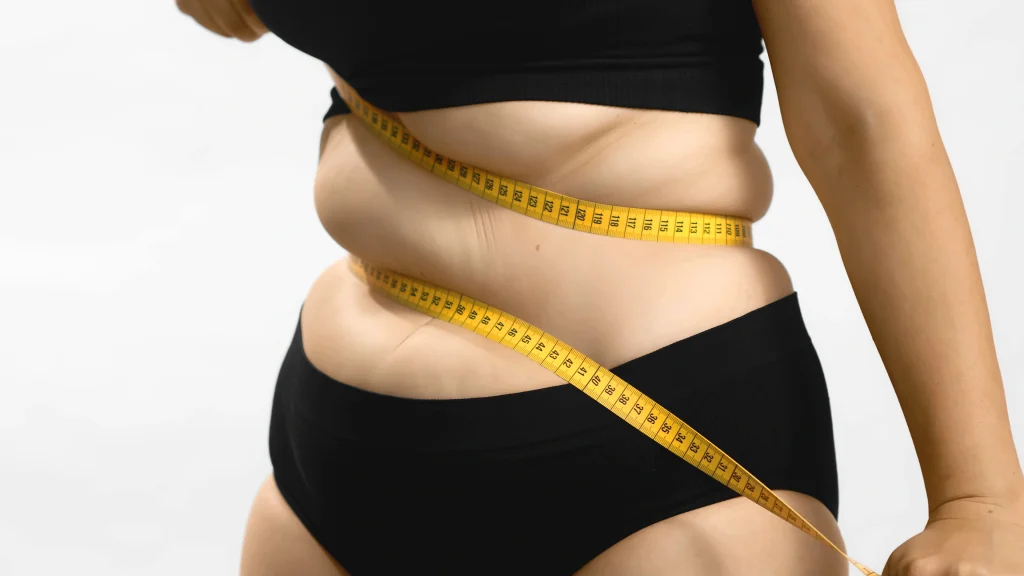



Gastric sleeve surgery significantly reduces stomach size, helping patients control portion sizes and appetite. However, eating too much after surgery can cause discomfort and affect long-term success. Understanding what happens if you eat too much after gastric sleeve helps patients recognize warning signs and protect their results.
At Badge Health, patient education plays a key role in preventing post-operative complications.
How the Stomach Changes After Gastric Sleeve
After gastric sleeve surgery, the stomach holds a much smaller volume of food. This means that overeating—even small amounts—can quickly exceed capacity.
The stomach sends strong signals when it is full, and ignoring these cues can lead to physical discomfort.
Immediate Symptoms of Overeating
Eating too much can trigger uncomfortable symptoms, including:
- Nausea
- Vomiting
- Chest or abdominal pressure
- Hiccups or burping
- Abdominal pain
These symptoms serve as protective warnings that the stomach is overstretched.
Risk of Stretching the Stomach
Occasional overeating is unlikely to cause permanent damage. However, consistently eating beyond fullness can gradually stretch the stomach over time.
Stomach stretching reduces restriction and increases the risk of weight regain.
Impact on Weight Loss Results
Overeating undermines the calorie control that gastric sleeve surgery provides.
Consistently consuming larger portions can slow weight loss or lead to weight regain—even without stomach stretching.
Dumping-Like Symptoms
Although dumping syndrome is more common after gastric bypass, gastric sleeve patients may experience similar symptoms when eating large amounts or high-sugar foods.
These may include dizziness, sweating, and fatigue.
Psychological and Behavioral Triggers
Overeating after surgery is often linked to emotional eating, stress, or eating too quickly.
Recognizing triggers allows patients to develop healthier coping strategies.
How to Prevent Overeating
Eat Slowly and Mindfully
Take small bites and chew thoroughly. Meals should last at least 20–30 minutes.
Stop at the First Sign of Fullness
Fullness signals may include pressure, discomfort, or loss of appetite. Stop eating immediately when these appear.
Use Small Portions and Plates
Visually smaller portions help prevent accidental overeating.
Avoid Distractions While Eating
Eating while watching TV or using devices can delay fullness recognition.
What to Do If You Overeat
If overeating occurs, stop eating immediately and sip water only after discomfort subsides.
Avoid inducing vomiting, as this can irritate the stomach.
If symptoms are severe or persistent, seek medical attention.
Long-Term Habits That Protect Your Surgery
Establishing consistent eating routines, prioritizing protein, and attending follow-up visits help prevent overeating.
Support groups and counseling can address emotional eating patterns.
Badge Health’s Patient Education Approach
Badge Health provides clear guidance on portion sizes, eating behaviors, and hunger cues to help patients adapt safely after gastric sleeve surgery.
Final Thoughts
Understanding what happens if you eat too much after gastric sleeve empowers patients to protect their surgery and long-term success.
Listening to your body, eating mindfully, and seeking support when needed are key to a healthy, sustainable recovery.
If you need guidance on post-sleeve eating habits, contact Badge Health today for expert support and education.