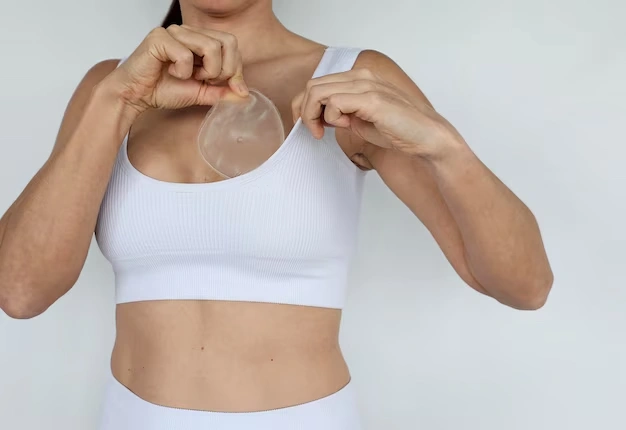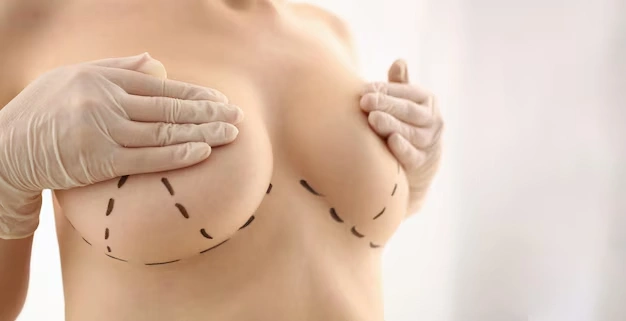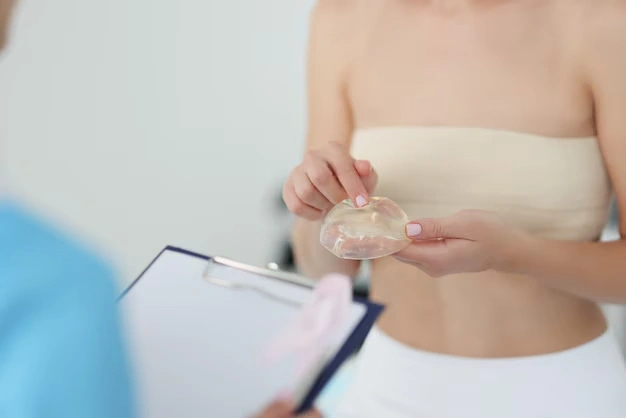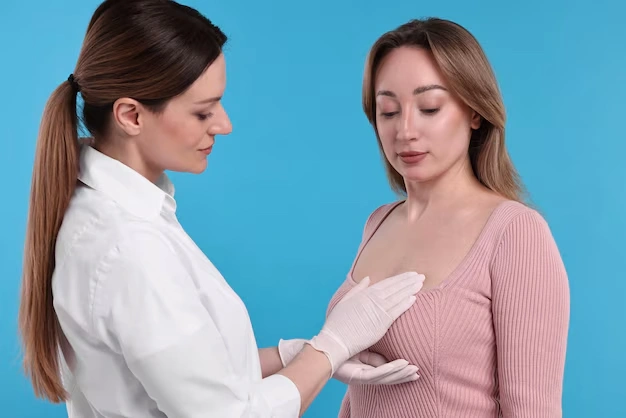


Although modern breast implants are designed to be durable, ruptures or leaks can occur due to trauma, aging implants, or manufacturing defects. Knowing how to recognize the signs and take prompt action is crucial for safety, comfort, and aesthetic results.
Signs of a Breast Implant Rupture or Leak
The symptoms depend on the type of implant:
- Saline Implants: Usually deflate quickly, causing noticeable asymmetry or a sudden change in breast size.
- Silicone Gel Implants: May leak slowly. Sometimes called a “silent rupture,” it may not be immediately visible and can cause subtle changes in shape, firmness, or contour.
Additional symptoms can include tenderness, swelling, pain, or lumps around the implant area.
Immediate Steps to Take
If you suspect an implant rupture or leak, take the following steps:
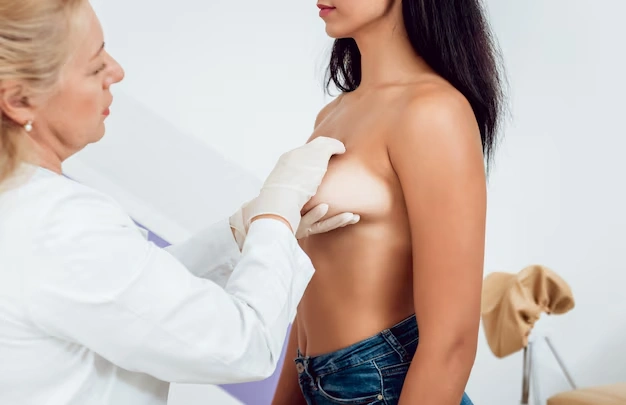
- Contact your board-certified plastic surgeon promptly
- Schedule imaging studies (ultrasound or MRI) to confirm the rupture
- Avoid pressing or massaging the breast until evaluated
- Document any changes in size, shape, or discomfort
Diagnosis and Imaging
Medical imaging is essential for accurate diagnosis. MRI is the gold standard for detecting silicone implant ruptures, while ultrasound or mammography may help evaluate saline implants. Proper diagnosis ensures the correct treatment plan.
Treatment Options
Once a rupture is confirmed, the surgeon will discuss appropriate options. Common treatments include:
- Implant Removal: Removing the ruptured implant while monitoring surrounding tissue
- Implant Replacement: Exchanging the old implant for a new one of the same or different type
- Reconstruction: In some cases, additional breast reshaping may be needed
Recovery and Aftercare
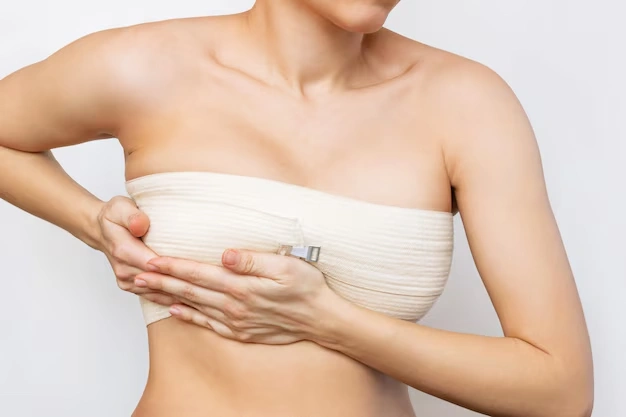
Post-removal or replacement recovery is similar to initial augmentation. Swelling, tenderness, and bruising are common and typically resolve within weeks. Following surgeon instructions regarding rest, support garments, and activity limitations is essential.
Preventive Measures for the Future
While implants can’t guarantee lifetime durability, patients can reduce risks by:
- Choosing high-quality, FDA-approved implants
- Following recommended follow-up schedules
- Protecting the chest from trauma
- Maintaining healthy lifestyle habits to support tissue integrity
Why Choose Badge Health?
Badge Health partners with experienced surgeons who provide guidance on managing implant issues safely and effectively. Patients receive individualized care, from early detection to replacement or reconstruction, ensuring safety and peace of mind.
Final Thoughts
Although implant ruptures or leaks can be concerning, prompt action, proper diagnosis, and expert surgical care make treatment straightforward and safe. Staying informed and maintaining regular follow-ups is key to long-term breast health and aesthetic satisfaction.